
Trump Scales Back Immigration Raids After Industry Pushback
Trump Immigration Raids Directive Halts ICE Sweeps on Farms and Hotels
In a surprise reversal from prior hardline immigration policy, U.S. President Donald Trump has ordered a significant pause in workplace immigration raids targeting industries that rely heavily on undocumented labour. According to an internal communication reviewed by Reuters, the new Trump immigration raids directive curtails Immigration and Customs Enforcement (ICE) operations at farms, hotels, restaurants, and meatpacking plants—sectors essential to the American economy.
Trump immigration
The order, issued Thursday, appears to contradict a recent call by senior adviser Stephen Miller for an aggressive immigration enforcement push. But a source close to the White House revealed the president was not fully aware of the scale of these actions. “Once it hit him, he pulled it back,” the source said, noting Trump’s concern over the unintended impact on vital industries.us
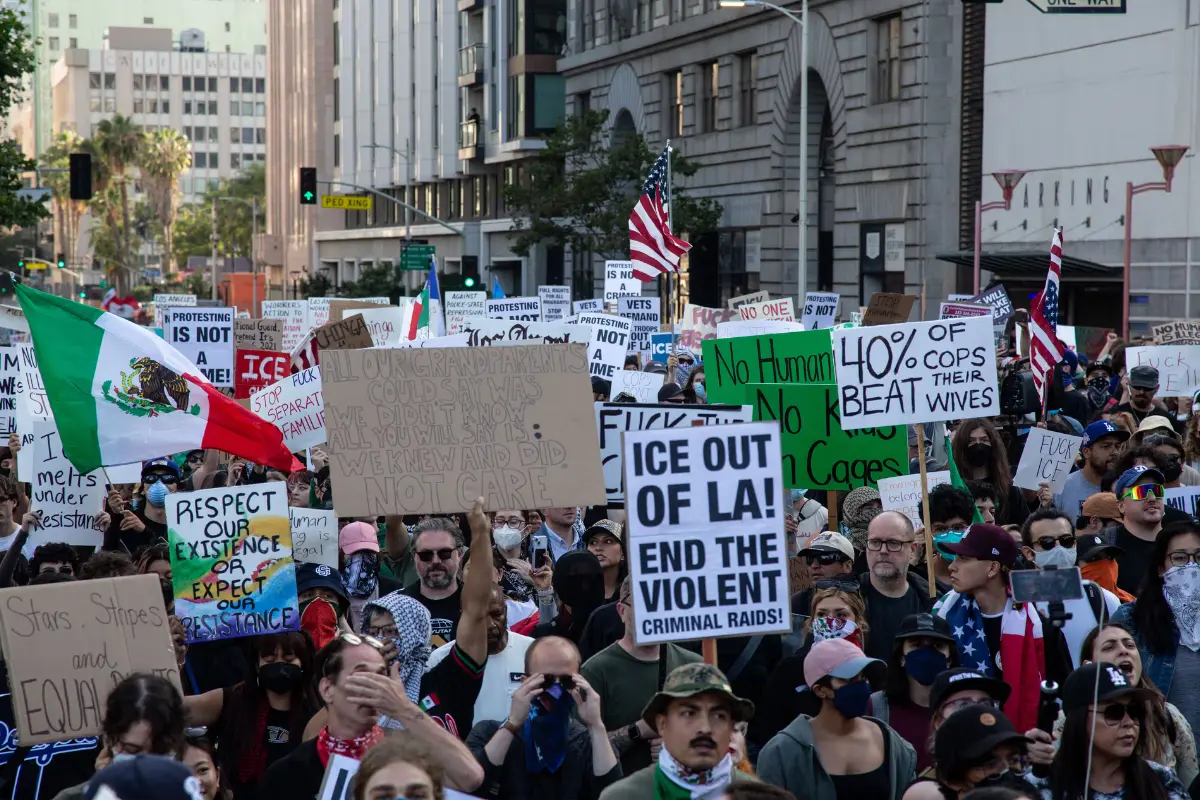
The updated directive still permits ICE investigations into high-priority crimes such as human trafficking and smuggling. But by halting mass enforcement actions at workplaces it represents a marked departure from previous tactics that swept up thousands of undocumented immigrants, many without criminal records, sparking public protests and political fallout.
Trump, who entered office on a pledge to deport millions of undocumented immigrants, has recently faced mounting pressure from within the Republican Party and key industries that lean on immigrant labour. “We will follow the president’s direction and continue to work to get the worst of the worst criminal illegal aliens off of America’s streets,” said Tricia McLaughlin, spokesperson for the Department of Homeland Security.
In a social media post Thursday, Trump acknowledged the concerns of America’s agriculture and hospitality industries, which have warned that overly broad immigration enforcement could decimate their workforces. “We are hearing from farms and hotels about losing very good, long-time workers,” Trump posted, promising imminent policy adjustments to protect those sectors.
Economic Pressure Forces Policy Rethink
The Trump immigration raids directive comes at a time when the U.S. economy, still recovering from recent shocks, can ill afford disruptions in its labor supply. Many farms, especially in California, Florida, and the Midwest, are reporting acute worker shortages. The food supply chain, already strained, faces further risk if enforcement efforts target undocumented laborers en masse.
Industry advocates, including the United Farm Workers union, responded with guarded optimism. While they welcomed the news of a scaled-back approach, they remained cautious. “As long as Border Patrol and ICE are allowed to sweep through farm worker communities making chaotic arrests… they are still hunting down farm workers,” the union said in a statement on Friday. Some union members reported continued ICE activity even after the new directive was announced.
Bipartisan Calls for Targeted Enforcement
The evolving policy has also sparked debate on Capitol Hill. Several Democrats have long criticized Trump’s approach, calling for reforms that focus solely on serious criminal offenders rather than casting a wide net. Surprisingly, some Republican lawmakers are now echoing those sentiments, urging the administration to avoid destabilizing industries that rely on immigrant labor.
While the latest move may not represent a full pivot in immigration strategy, it signals a recognition, at the highest levels of the White House, that an uncompromising crackdown may come with steep economic and political costs.
Also Read : Meera Joshi: A Visionary Path in Policy, Justice, and Community Care