
Indian Export Tariff Exemptions Set to Unlock $3B Boost
Indian Agricultural Exports to Rebound with $2.5–3 Billion Lift from US Tariff Exemptions
Indian exporters may finally be getting the breather they have waited months for. With the United States rolling back tariffs on more than 200 food items, Indian Export Tariff Exemptions are expected to unlock fresh export opportunities worth an estimated $2.5–3 billion, according to Ajay Sahai, Director General of the Federation of Indian Export Organisations (FIEO), as reported by Reuters.
The shift could not come at a more crucial time. For over a year, Indian exporters have been grappling with steep US duties—some as high as 50%—levied under Washington’s reciprocal tariff strategy. Now, the rollback offers India a renewed foothold in a market where competition from Vietnam and the European Union has surged.
Indian Agricultural Exports: Premium farm goods set to shine
Sahai believes the new exemptions bring a strategic realignment for India’s agricultural exporters. As various high-value food items exit the impacted list, he anticipates a pivot toward premium segments that can weather price swings and harness rising US consumer demand.
“This order opens space for premium, speciality and value-added products. Exporters who shift towards higher-value segments will be better protected from price pressures and can tap rising consumer demand,” he told Reuters.
Who wins after the Trump tariff rollback?
The beneficiaries span multiple sectors, but agricultural exporters appear to be at the forefront. The Trump administration’s decision on November 14 to exempt over 200 food products—including beef, where India is among the world’s largest exporters—has created immediate price advantages.
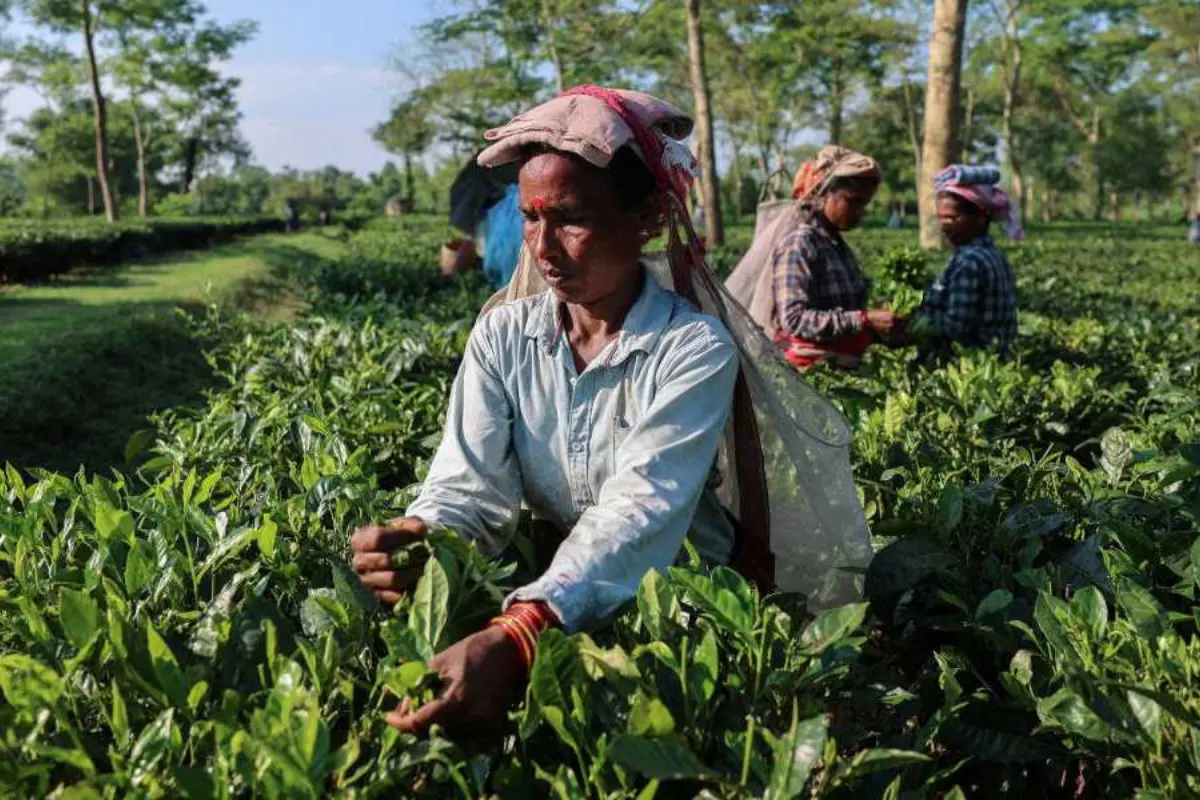
Among the items now better positioned in the US market are Indian coffee, cashew nuts, tea, and spices. A senior Indian export policy official confirmed to Reuters that farmers and suppliers in these categories stand to gain quickly from improved pricing conditions.
Yet gains may not be universal. Ajay Srivastava, founder of the Global Trade Research Initiative (GTRI), cautioned that India’s benefits could remain modest because its export basket to the US is limited to a narrow range of high-value spices and niche produce. India has a smaller presence in many of the newly exempted mass-market items like tomatoes, citrus, bananas, melons, and fruit juices.
“The tariff shift would marginally strengthen India’s position in spices and niche horticulture and help revive some lost US demand after the tariff hikes,” Srivastava told Reuters.
Indian Agricultural Exports: A turning point for India-US trade talks?
Analysts quoted by Reuters say the exemptions mark a positive signal for the broader trade relationship. Unlike Vietnam and the EU—who faced 15–20% US tariffs—India’s exports had been hit with duties as steep as 50%, severely undercutting their competitiveness.
By September 2025, Indian exports to the US had slipped to $5.43 billion, falling 12% year-on-year after tariff escalation from 25% to 50%. Farm exports, which account for roughly $5.7 billion of India’s $87 billion export basket to the US in 2024, were hit hardest.
Officials involved in bilateral trade agreement negotiations believe the new tariff relief could help restore momentum. It may also strengthen India’s position as talks continue on long-pending market access and regulatory harmonisations.
Challenges ahead: Competition, logistics, and uncertainty
Despite the relief, experts warn that India still trails behind faster-growing competitors. Srivastava notes that ASEAN, African, and Latin American exporters remain better placed to seize the bulk of the gains from the US decision.
Adding to the uncertainty is confusion over which tariff bands—25% or the full 50%—the exemptions apply to. The extra 25% tariff on India had been introduced as a penalty for its continued purchase of Russian oil, creating ambiguity around how much relief Indian exporters will actually receive.
Logistical constraints also loom large. A leading Indian exporter, speaking anonymously to Reuters, said: “Tariff relief is important, but market recovery also depends on logistics and our ability to match prices.” High freight costs, stringent US quality standards, and strong competition from Vietnam and Indonesia could still limit India’s rebound.