
H-1B system “spammed with fraud”: Trump to defend $100K fee
Trump Administration H-1B Visa Reforms Ignite Legal and Political Controversy
The White House announced on Thursday that the Trump administration will “fight in court” to defend its latest H-1B visa reforms, arguing that the changes are necessary to protect American workers and address long-standing flaws in the program.
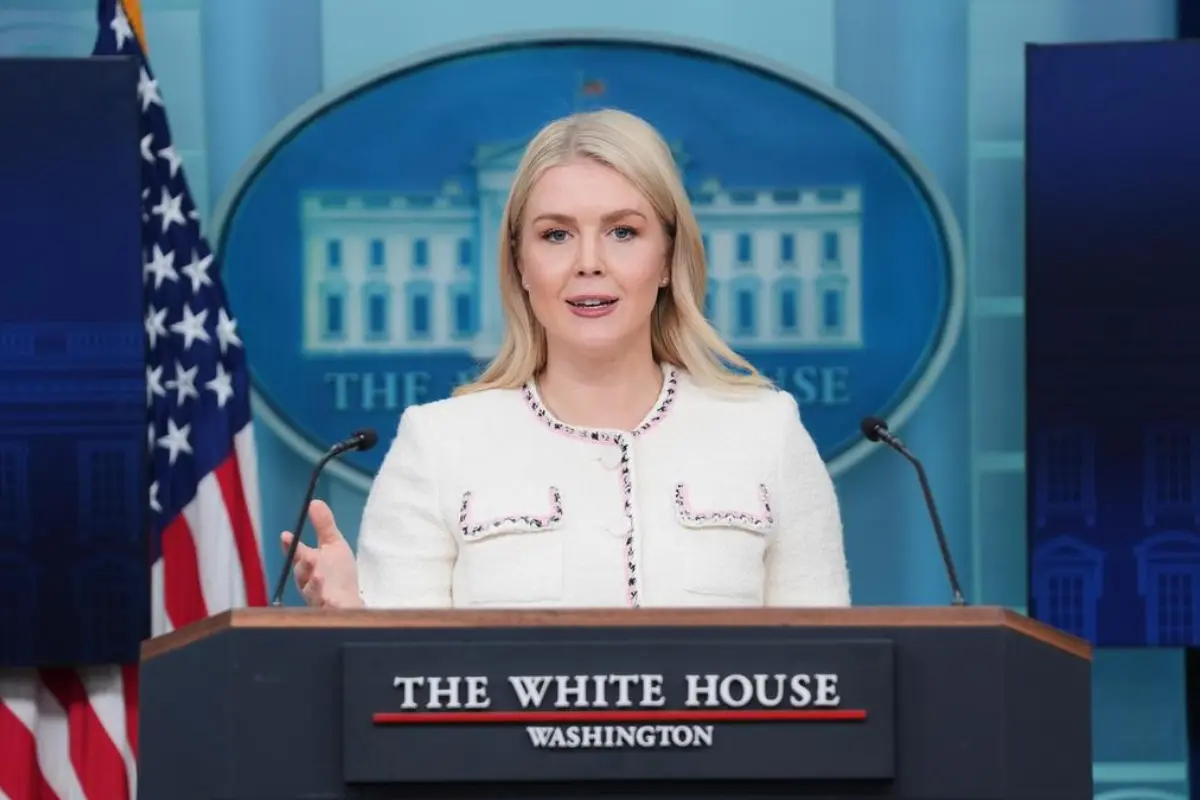
White House Press Secretary Karoline Leavitt said the new measures are designed to “refine” the visa system and close loopholes that have “been spammed with fraud basically and that’s driven down American wages.” She reiterated that the President remains committed to ensuring fair opportunities for U.S. workers while maintaining the integrity of the employment-based immigration system.
“The President’s main priority has always been to put American workers first and also to strengthen our visa system,” Leavitt told reporters. “These actions are lawful. They are necessary, and we’ll continue to fight this battle in court.”
H-1B: A Legal and Political Flashpoint
The administration’s stance comes as several major technology associations, universities, and business coalitions have filed lawsuits challenging the Trump Administration H-1B Visa Reforms. The lawsuits claim that the new rules—tightening eligibility requirements and altering the visa lottery process—violate procedural laws and could harm U.S. competitiveness in the global innovation race.
Leavitt dismissed those arguments, stating that the administration’s goal is not to dismantle the program but to “strengthen it.” Responding to a question about potential contradictions with Trump’s earlier statements, she clarified that the reforms align with the President’s “Hire American” principles introduced during his first term.
Impact on Technology and Talent Mobility
The H-1B visa program has long served as a vital bridge between the United States and countries like India, supplying American firms with highly skilled professionals in software engineering, artificial intelligence, and biotechnology. Nearly 70 percent of all H-1B visas go to Indian nationals, making any policy change a matter of diplomatic and economic interest in both Washington and New Delhi.
Indian tech leaders have expressed concern that the latest Trump Administration H-1B Visa Reforms could create uncertainty for companies that depend on cross-border expertise. U.S. employers—especially in Silicon Valley—warn that overregulation may discourage global talent from contributing to America’s innovation ecosystem.
“The new rules could force companies to move high-value work offshore rather than bringing talent here,” said a senior executive at a leading U.S. software firm. “It’s a step backward for American competitiveness.”
H-1B: Economic and Diplomatic Stakes
For decades, the H-1B visa has been a cornerstone of the U.S.–India relationship, symbolizing collaboration in technology and education. Any tightening of visa norms is closely monitored in India, where thousands of skilled professionals aspire to work in the United States. Experts say the reforms could test bilateral relations and reshape how U.S. firms engage with Indian outsourcing and tech partners.
At the same time, the Trump administration argues that stricter scrutiny of job roles and outsourcing practices is essential to curb abuse. The reforms reflect a continuation of Trump’s signature “Hire American” agenda, emphasizing domestic job growth and fair competition.
A Looming Courtroom Battle
With multiple lawsuits pending, the coming months could determine the future of the Trump Administration H-1B Visa Reforms. Legal analysts expect a lengthy court battle that may extend well into the 2026 election season, turning immigration once again into a defining campaign issue.
Leavitt refrained from discussing specific legal strategies but underscored the White House’s resolve:
“We will continue to fight this battle in court,” she said. “Our objective is to restore integrity to the visa system and ensure that it serves its true purpose—supporting American workers and lawful innovation.”
Also Read : Subbarao Kambhampati: Architect of Human-Centred AI Research