
US Visa: Applicants Must Set Their Social Accounts to Public
US Visa Social Media Screening Policy Expanded: Trump Administration Mandates Public Profiles for H-1B Holders
In its latest move to intensify immigration checks, the Trump administration has rolled out a sweeping expansion of the US Visa Social Media Screening policy—one that will now apply to every H-1B worker and all H-4 dependents beginning December 15. The U.S. State Department, reaffirming its commitment to tighter national-security controls, announced that applicants must switch all social-media profiles to public visibility and disclose every username used in the past five years, even those tied to long-abandoned or inactive accounts.
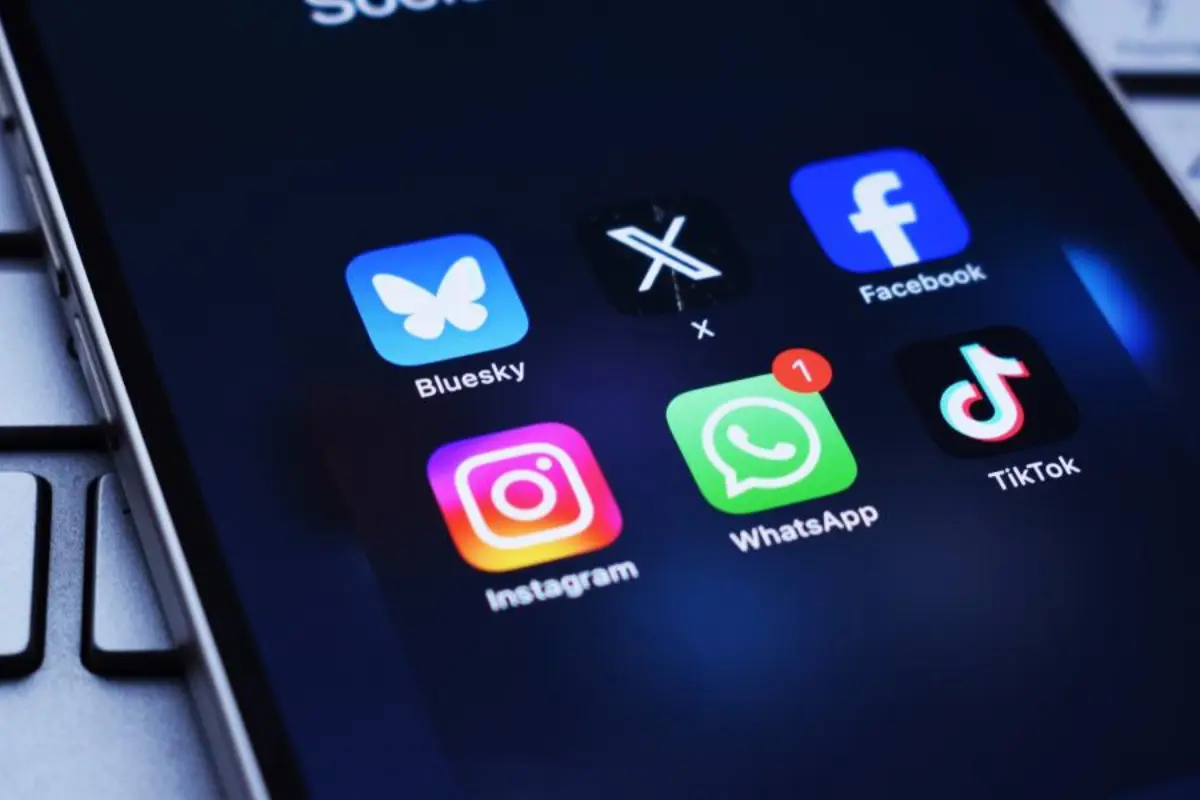
This new directive is part of a broader digital-footprint evaluation framework the government has been building in recent years. Platforms such as Facebook, Instagram, LinkedIn, Twitter, YouTube and others will now fall under mandatory scrutiny, giving visa officers unprecedented visibility into an applicant’s online behavior.
US Visa: “A Visa Is a Privilege, Not a Right”
Reiterating its stance, the State Department stressed that “every visa adjudication is a national security decision.” According to the internal guidelines circulated earlier this year for student-visa adjudications, consular officers are empowered to draw negative inferences when applicants:
-
Maintain private or partially hidden social-media profiles
-
Have no online presence at all
-
Demonstrate hostility toward U.S. citizens, culture, or institutions
-
Show support for extremist or terror-related groups
-
Display any suspicious interest in acquiring or misusing sensitive American technologies
-
Engage in political activism likely to continue after arriving in the U.S.
Content deemed questionable may trigger follow-up interviews, lengthy background checks, or even direct visa refusal.
Mandatory Public Profiles for H-1B, H-4, F, M, and J Visa Applicants
The updated order clearly states that all H-1B and H-4 applicants must undergo online-presence review, joining the F, M, and J categories that were already under mandatory screening. For smoother vetting, the State Department has instructed applicants to switch all social-media privacy settings to “public”—a requirement that has raised concerns among privacy advocates but is being enforced strictly across consular operations.
US Visa: US Embassy’s Warning – Omitting Social-Media Details Could Lead to Visa Denial
The urgency of compliance was underlined earlier this year when the U.S. Embassy in India issued a pointed warning on X:
Failing to disclose social-media usernames—or omitting even a single account—may result in visa denial and long-term ineligibility.
Applicants signing the DS-160 form legally certify that all information is complete and accurate. Any detected inconsistency, intentional or not, may be interpreted as misrepresentation—an offense carrying severe immigration penalties.