
US-India Tariff War: Trump Targets Indian Oil Strategy
Trump Fires Second Shot in US-India Tariff War Over India’s Russian Oil Imports
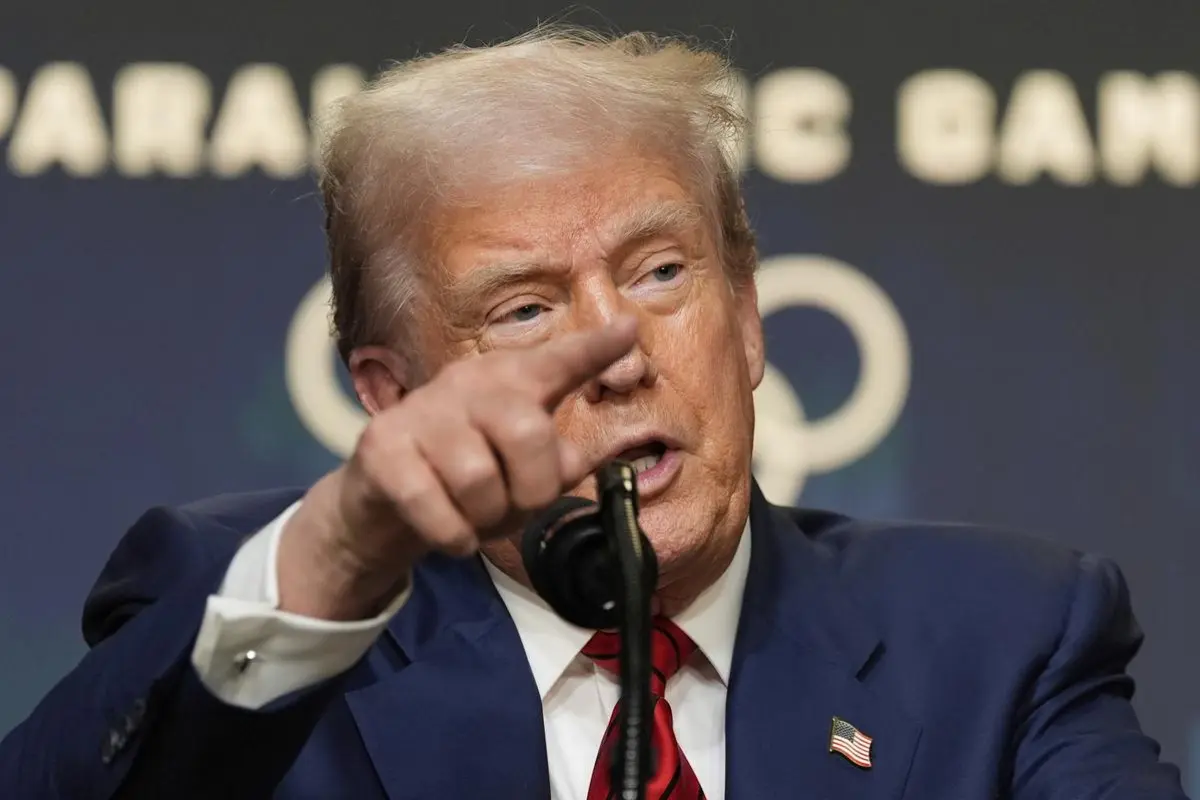
US-India Tariff War: In a bold and contentious move, U.S. President Donald Trump on Wednesday signed an executive order slapping an additional 25% tariff on imports from India, further intensifying the ongoing US-India tariff war. This follows closely on the heels of a previous 25% tariff announced just last week, set to take effect on August 7.
The White House has cited India’s continued import of oil from Russia — directly or indirectly — as the reason for this latest escalation. Trump’s executive order framed the decision as part of efforts to address the “national emergency” under Executive Order 14066, originally aimed at punishing Russian actions in Ukraine.
“Articles of India imported into the customs territory of the United States shall be subject to an additional ad valorem duty of 25%,” the executive order declared. The second round of tariffs is set to take effect after 21 days — around August 27, 2025.
US-India Tariff War: MEA Slams US Action as ‘Unfair, Unjustified and Unreasonable’
India’s Ministry of External Affairs (MEA) responded swiftly and sharply, reiterating its earlier position that such unilateral punitive measures are unwarranted.
“It is extremely unfortunate that the U.S. has chosen this course of action,” the MEA said. “These actions are unfair, unjustified and unreasonable.”
India had previously defended its oil trade with Russia as a sovereign economic decision, emphasizing that the volumes are significantly lower than those traded by some European nations and even the U.S. in other sectors. The MEA emphasized the imports are dictated by market dynamics and necessary to safeguard energy security for 1.4 billion Indians.
“We will take all actions necessary to protect our national interests,” the ministry asserted in a strong-worded response.
‘A Severe Setback for Indian Exporters’
For Indian industry, the ramifications are enormous. S.C. Ralhan, President of the Federation of Indian Export Organisations (FIEO), warned that this move could affect more than half of India’s exports to the U.S., placing them at a steep competitive disadvantage.
“The 50% cumulative tariff creates a cost gap of up to 35%, making Indian goods significantly more expensive compared to global peers,” Ralhan said. “It’s a severe setback, especially for textile, auto-parts, and engineering goods.”
Exporters are now grappling with uncertainty just as talks were progressing toward a Bilateral Trade Agreement (BTA), expected to be finalized by the end of the year. The next round of talks is scheduled for August 25 in New Delhi — now clouded by diplomatic tensions.
US-India Tariff War: Expert View – Retaliation Not the Answer, Yet
Ajay Srivastava, founder of the Global Trade Research Initiative, advised strategic patience from India. “Retaliating immediately may stall the long-term goal of securing a balanced trade deal,” he said.
“India must stay calm for at least six months. Trade negotiations don’t flourish under threats. But the ball is now in Washington’s court.”
Srivastava also stressed that India’s decision on continuing oil imports from Russia should remain purely economic, not a reaction to external coercion.
Also Read : Mathura Sridharan: Directing Ohio’s Fight for Federalism