
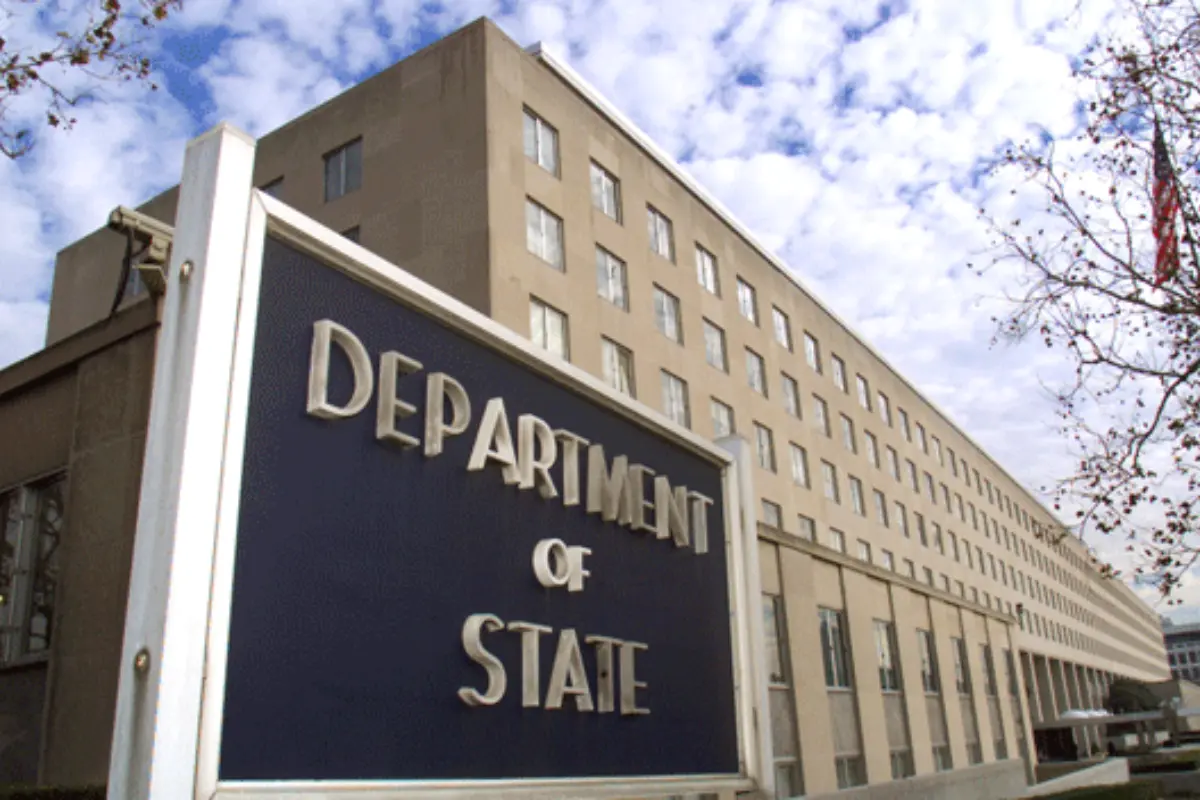
US Department of State on the Delay in Visa Appointments
US Department of State: US Visa Appointment Delays Prompt Google and Apple to Caution H-1B Employees
The United States Department of State has formally acknowledged widespread US visa appointment delays, with waiting periods now extending up to 12 months at American embassies and consulates across the globe, including India. The delays mark a sharp shift in consular operations, as enhanced security screening has overtaken speed as the primary focus of visa processing.
In a statement to Business Insider, a State Department spokesperson confirmed that consular offices are “prioritizing thoroughly vetting each visa case above all else,” signaling a departure from earlier efforts aimed at reducing appointment backlogs. The new approach, officials say, is rooted in national security concerns and involves expanded reviews of applicants’ digital footprints.
US Department of State: Tech Giants Warn H-1B Workers Against International Travel
The mounting US visa appointment delays have already begun to disrupt global mobility for skilled workers. Google and Apple have issued internal travel advisories cautioning employees holding H-1B visas — along with their dependents — against leaving the United States unless absolutely necessary.
According to internal memos circulated this week, the companies’ immigration law firms warned of the “risk of an extended stay” outside the US. Employees who travel abroad for visa stamping could face appointment cancellations or rescheduling that may keep them stranded for months, unable to return to their jobs.
The advisories underscore growing unease among multinational employers who rely heavily on foreign talent and fear sudden workforce disruptions.
Social Media Screening Fuels Appointment Backlog
At the heart of the bottleneck lies a new layer of scrutiny introduced under the Trump administration. The expanded screening process now includes detailed reviews of applicants’ social media activity and broader online presence. Platforms such as Facebook, Twitter, Instagram, and others are being examined as part of what officials describe as “online presence reviews.”
This additional vetting applies not only to H-1B workers but also to their dependents, international students, and exchange visitors. While the State Department insists the measures are essential to identify potential national security risks, immigration experts say the policy has significantly slowed processing times beyond historical norms.
Indian Professionals Among the Hardest Hit
The impact of US visa appointment delays has been especially severe for Indian nationals, who make up more than 70% of H-1B visa recipients. Immigration firm Reddy Neumann Brown PC reported that appointments have been postponed or canceled across multiple countries, including Ireland and Vietnam.
Hundreds of Indian professionals are reportedly stuck abroad after their December visa renewal appointments were abruptly canceled and rescheduled months later, leaving them in professional and personal limbo.
US Department of State: Limited Relief Through Expedited Requests
The Department of State maintains that applicants can request expedited appointments on a case-by-case basis and that appointment slots may shift as staffing resources change. However, immigration attorneys caution that expedited approvals remain unpredictable under the current system.
Jason Finkelman, an immigration attorney advising several technology firms, said that foreign nationals with valid visa stamps should generally be able to return to the US. Still, he urged caution. “If travel isn’t essential right now, better to stay put,” he advised, noting that workers caught abroad due to canceled consular appointments face uncertain timelines for resuming work.
Tech Industry Feels the Strain
The visa delays are sending shockwaves through the technology sector, which depends heavily on the H-1B program. The annual cap for new H-1B visas remains fixed at 85,000, intensifying competition for skilled workers.
During fiscal year 2024, Google filed 5,537 H-1B visa applications, while Apple submitted 3,880, according to Department of Labor and USCIS data analyzed by Business Insider. Prolonged US visa appointment delays threaten to complicate workforce planning, project timelines, and global hiring strategies for these firms.