
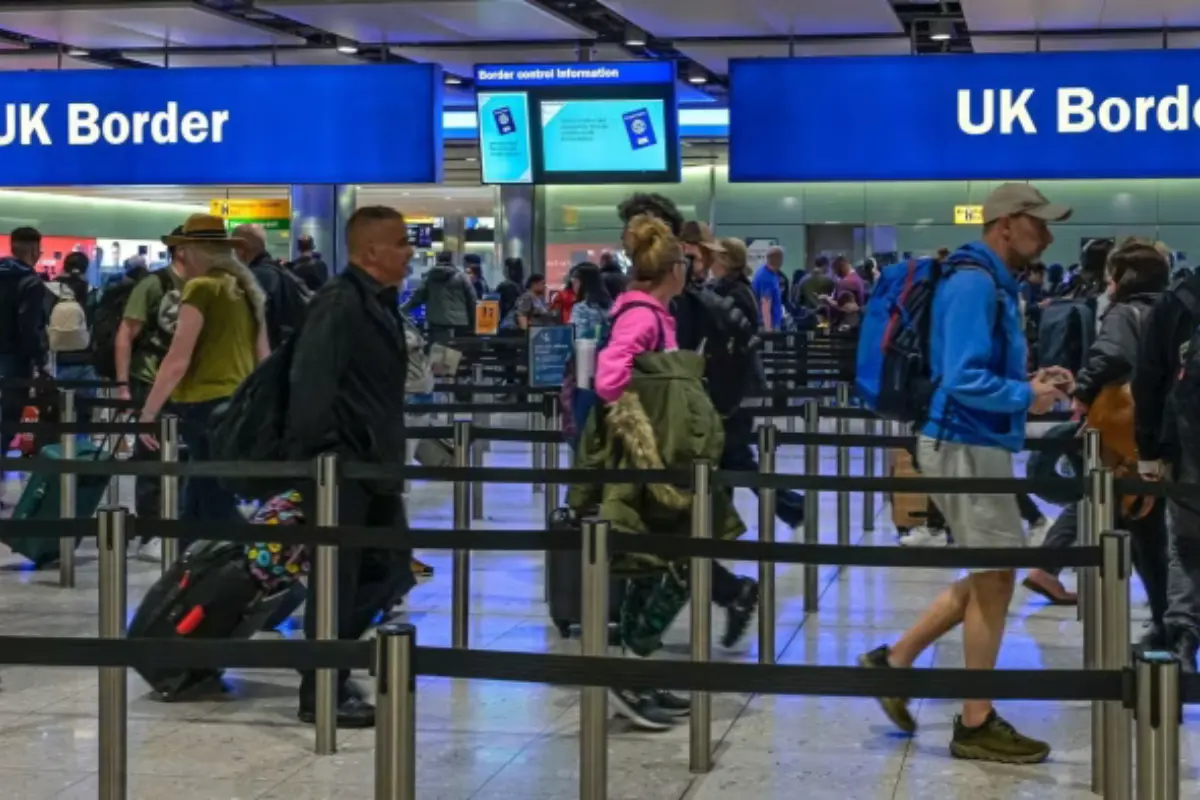
UK Immigration Restrictions Impact Could Cost £10.8 Billion
UK Immigration Restrictions Impact: New Report Warns of £10.8 Billion Economic Loss
The United Kingdom is bracing for a significant financial shock as a newly published Home Office impact assessment reveals that the UK immigration restrictions impact could cost the country as much as £10.8 billion ($14.4 billion) over the next five years. The findings arrive months after Prime Minister Keir Starmer’s government unveiled sweeping changes to legal immigration policies—a move critics say risks undermining the nation’s long-term economic stability.
Released this week, the Home Office paper outlines a wide range of consequences tied to the restrictions introduced in July. These measures were first proposed in a May white paper and include limiting Skilled Worker and Health and Care Worker visas to graduate-level applicants, raising salary thresholds for foreign workers, and imposing a near-total ban on hiring social care workers from overseas.
UK Immigration: A High Price for Stricter Controls
According to the assessment, the cumulative monetized cost of the revised immigration system is expected to fall between £2.2 billion and £10.8 billion, with the base-case estimate at £5.4 billion. This cost is projected to arise from reduced visa revenue, lower income tax receipts, and a widening gap in crucial labour sectors—especially health and social care.
A substantial portion of the projected financial loss stems from diminished public sector revenue. The report notes that the country could lose up to £800 million from visa fees and the immigration health surcharge alone. More significantly, a drop in labour supply is predicted to slash income tax collection by £9.5 billion, creating a domino effect that could stretch public services even further.
Despite this, the Home Office argues the reforms are part of a broader strategy aimed at revitalizing the domestic workforce. The report states that the changes “form part of a broader government policy to get people back into work,” asserting that upskilling British workers could eventually offset the economic fallout.
Social Care Sector Braces for the Worst
Nowhere is the UK immigration restrictions impact felt more sharply than in social care. After years of shortages exacerbated by Brexit and the pandemic, the UK relaxed visa rules for care workers in 2022 to fill tens of thousands of vacancies. But concerns around exploitation in the system prompted the government to reverse course and shut the door to most foreign care workers this year.
Experts warn this policy shift could produce painful ripple effects.
“These figures portray a significant loss to the UK’s workforce, with domestic workers somehow expected to fill in the gaps ASAP,” said Dora Olivia Vicol, chief executive of the Work Rights Centre. She stressed that “losses are almost certain: older people and disabled people will find it harder to get care,” adding that the Treasury stands to lose billions in taxes from missing workers.
The Home Office itself acknowledges the risks. The assessment points out that households relying on social care—particularly those supporting elderly or disabled family members—could face higher fees as providers struggle with rising labour costs. Smaller care firms may be forced to halt recruitment or replace overseas staff with more expensive domestic workers, placing further strain on an already fragile sector.
UK Immigration: A Political Calculus Amid Rising Anti-Immigration Sentiment
The timing of the government’s immigration clampdown has sparked fresh debate. Net migration soared to nearly 1 million in the year ending June 2023, stirring public anxiety over housing, healthcare access, and social cohesion. In this environment, Nigel Farage’s Reform UK has surged in national polls, pressuring the government to push for tougher controls.
But the newly released assessment raises uncomfortable questions: Is the effort to curb legal immigration motivated by political pressure rather than long-term economic strategy? And can the UK realistically close labour gaps without the skilled and essential workers it has long relied on?
While ministers insist the policy will drive upskilling and improve domestic productivity, analysts caution that economic losses of this magnitude could hamper growth and weaken key sectors before those benefits materialize—if they do at all.