
What the U.S. social media vetting for student visas means to applicants | Explained
Trump's New Visa Policy Freezes Student Interviews Over Social Media Vetting
International students hoping to pursue their education in the United States are facing an unexpected hurdle as the Trump administration signals a more aggressive approach to monitoring applicants’ online activity. The latest directive, centering on U.S. student visa social media scrutiny, has already disrupted the visa scheduling process worldwide and caused a wave of uncertainty among hopeful scholars.
A cable reportedly signed by U.S. Secretary of State Marco Rubio in late May has sparked concern after it directed consulates globally to pause all new appointments for student and exchange visitor visa interviews. The reason? A planned expansion of mandatory social media screening protocols for F, M, and J visa categories, which primarily include academic students and exchange visitors.
“Effective immediately… consular sections should not add any additional student or exchange visitor visa appointment capacity until further guidance is issued,” the cable reads, as reported by Politico.
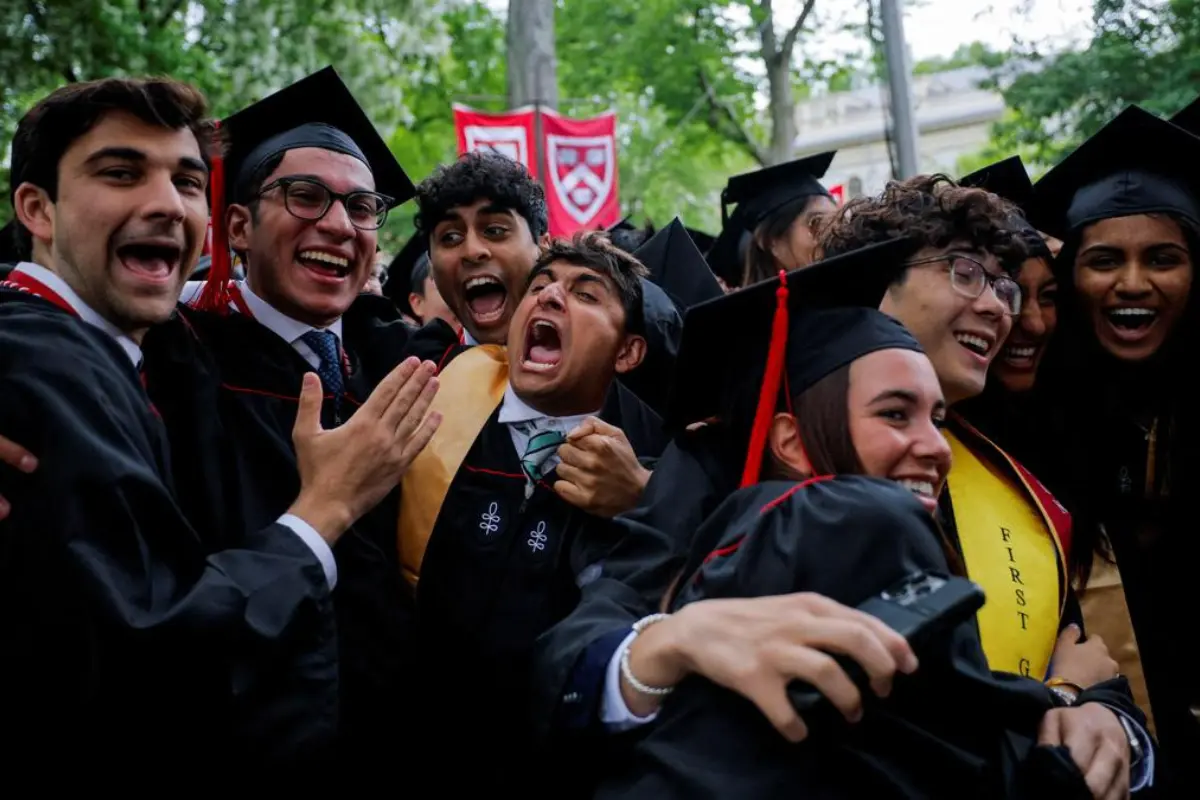
This announcement has created an atmosphere of panic for thousands of international students preparing for the upcoming academic term, particularly those accepted into prestigious institutions like Harvard and Stanford. With time-sensitive visa processes now frozen, many are scrambling for answers—and solutions.
What Is the U.S. Student Visa Social Media Scrutiny All About?
The U.S. Department of State has required social media information from visa applicants since 2019, citing national security concerns. Visa applicants must now submit handles they’ve used in the last five years across platforms like Facebook, Instagram, Twitter, YouTube, and even international networks such as Weibo, VKontakte, and Qzone.
However, what’s new is the intensity and depth of the vetting. According to insiders, officials will soon begin analyzing not just usernames, but also past posts, political views, likes, shares, and engagement with controversial content—all as part of assessing an applicant’s “threat level.”
Platforms not listed on the visa forms, such as Reddit or Discord, may also be investigated if flagged. Interestingly, the Trump-backed Truth Social remains off the form, raising eyebrows about political bias.
The Political Backdrop: Protests, Allegiances, and Digital Footprints
The Trump administration has long tied campus activism to national security concerns. The latest changes come amidst heightened tensions on American campuses where pro-Palestinian demonstrations have gained momentum.
In January 2025, Trump declared in a press briefing:
“To all the resident aliens who joined in the pro-jihadist protests… come 2025, we will find you, and we will deport you.”
Foreign students with even indirect links to activism perceived as “anti-Israel” may now be considered security risks, a stance that has drawn sharp criticism from civil rights groups and educational institutions alike.
A recent factsheet titled “New Visa Policies Put America First, Not China” outlined steps to aggressively revoke visas of Chinese nationals with alleged links to the Communist Party or those studying “sensitive fields.” This has intensified fears of racial and ideological profiling in student visa vetting.
What Should Foreign Students Do Now?
Experts are advising students to act proactively to protect their chances of studying in the U.S. under the new U.S. student visa social media scrutiny rules:
-
Audit Your Online Presence: Create a complete inventory of all social media accounts. Delete unused or obscure ones that may appear suspicious.
-
Review and Cleanse Content: Revisit past posts, likes, comments, and tagged content. Remove or hide anything that could be misconstrued, even if it was humorous or lighthearted at the time.
-
Clarify Identifiers: Keep a consistent record of your usernames across platforms. Misalignment can raise red flags.
-
Understand Public vs. Private: Consider whether to lock your accounts. However, doing so abruptly could raise suspicion, especially for public-facing professionals or influencers.
-
Don’t Forget Non-Social Platforms: Comments on YouTube, posts on Quora, and activity in online forums can also come under scrutiny. Be vigilant.
Above all, students should stay connected with their universities’ international offices, which are often the first to receive updates from U.S. embassies and consulates.
Also Read : Shamsheer Vayalil Parambath: Pioneering Excellence in Global Medical Services