
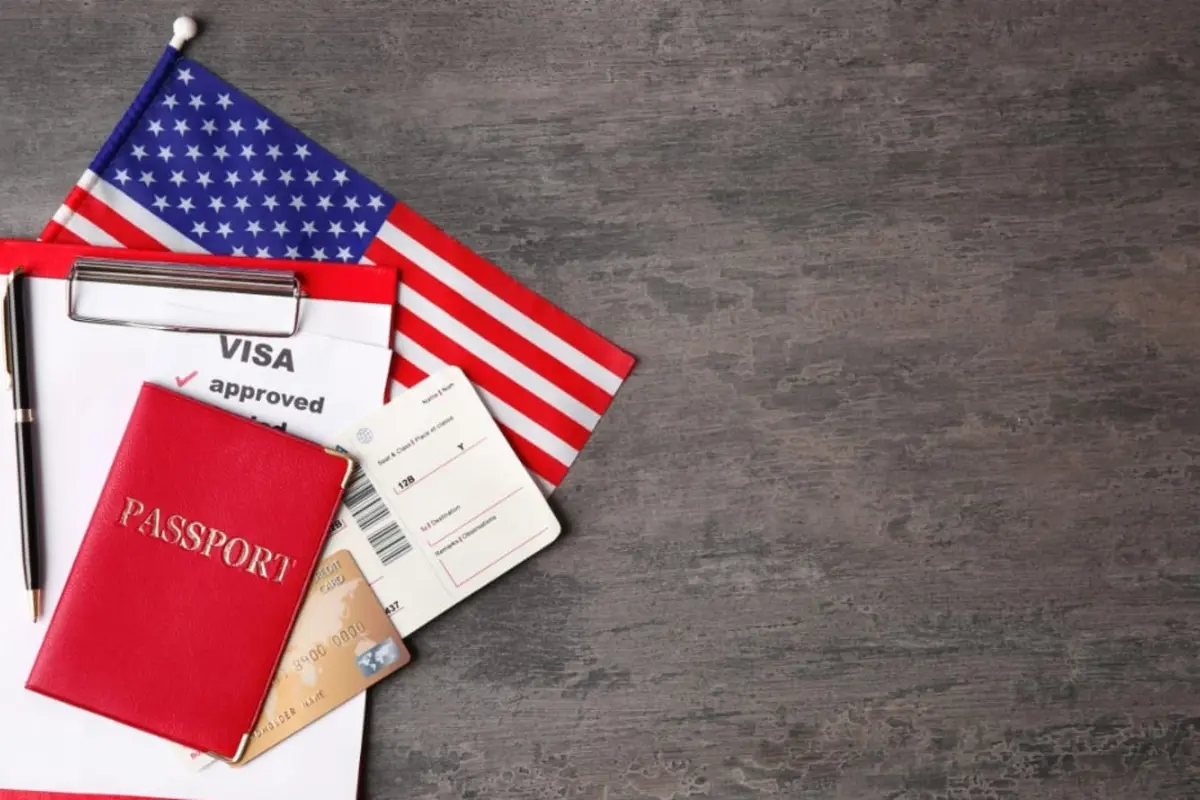
Trump Administration Freezes Student Visa Interviews, Expands Social Media Vetting
Trump Student Visa Restrictions Disrupt Global Education and U.S. University Plans
In a move that has sent shockwaves across international academic communities, the Trump administration has ordered U.S. embassies worldwide to halt the scheduling of new interviews for student and exchange visitor visas. The sweeping directive, revealed in an internal State Department message and first reported by The Guardian, signals a major escalation in Trump student visa restrictions that could reshape the future of global education in America.
According to the official cable, all consular sections have been instructed: “Do not add any additional student or exchange visitor (F, M, and J) visa appointment capacity until further guidance is issued.” This blanket pause comes just weeks before the start of the new academic year, leaving hundreds of thousands of international students in uncertainty, and U.S. universities grappling with the potential fallout.
Expanded Social Media Vetting Raises Alarms
The move is part of a broader strategy by the Trump administration to tighten control over who is allowed into the U.S. for educational purposes. Central to the new Trump student visa restrictions is a controversial expansion of social media vetting. Under this policy, consular officers are now required to comb through social media activity on platforms like Instagram, TikTok, and X (formerly Twitter), analyzing likes, comments, and posts for any signs deemed as national security risks.
Even content that has been deleted is reportedly being captured. Since March, students who participated in pro-Palestinian demonstrations have been subject to intense scrutiny, with officials taking screenshots of posts labeled “potentially derogatory.” This monitoring, once limited to flagged applicants, is now being proposed for all incoming student visa hopefuls.
Economic Impact on U.S. Higher Education
Universities across the United States are warning of a potential academic and financial crisis. International students contribute significantly to the U.S. economy—an estimated $43.8 billion last year, according to the Association of International Educators (NAFSA). Beyond tuition, these students fuel research, innovation, and cultural exchange in campuses nationwide.
“This is not just about students; it’s about the integrity and future of American higher education,” said one senior university official who requested anonymity. “Trump student visa restrictions are risking decades of academic diplomacy.”
Political Overtones and Accusations of Ideological Targeting
The administration’s rationale for these new measures appears to straddle both national security and ideological lines. President Donald Trump has frequently accused academic institutions of fostering far-left ideologies and has linked visa screenings to combating antisemitism. Secretary of State Marco Rubio confirmed to the Senate last week that “thousands of student visas have already been revoked,” hinting that more revocations may be forthcoming.
Critics argue that this policy is less about protecting the nation and more about suppressing dissent. By tying visa eligibility to personal social media behavior, civil liberties advocates fear a chilling effect on free speech, not just for students, but also for American institutions known for supporting open dialogue.
Global Implications and a Shrinking Welcome Mat
With embassies unable to schedule new interviews, students from across Asia, Africa, Latin America, and Europe are left in limbo. Many had already begun preparing for their studies in the U.S., with dreams of joining top universities, participating in groundbreaking research, or building a future through education.
Now, those dreams are on hold—and in many cases, may be permanently derailed.
“This isn’t just a policy pause. It’s a signal to the world that international students are no longer welcome here,” said an immigration attorney specializing in student visas. “The Trump student visa restrictions could push talented minds to Canada, the UK, or Australia—nations rolling out the red carpet while we shut the door.”
Also Read : Maya Rajani: A Trailblazer in Business, Philanthropy, and Community Empowerment