
Texas H-1B Visa Freeze: Indian Researchers and Doctors
Texas Freezes H-1B Visas for State Agencies as Abbott Cites ‘Systemic Abuse’
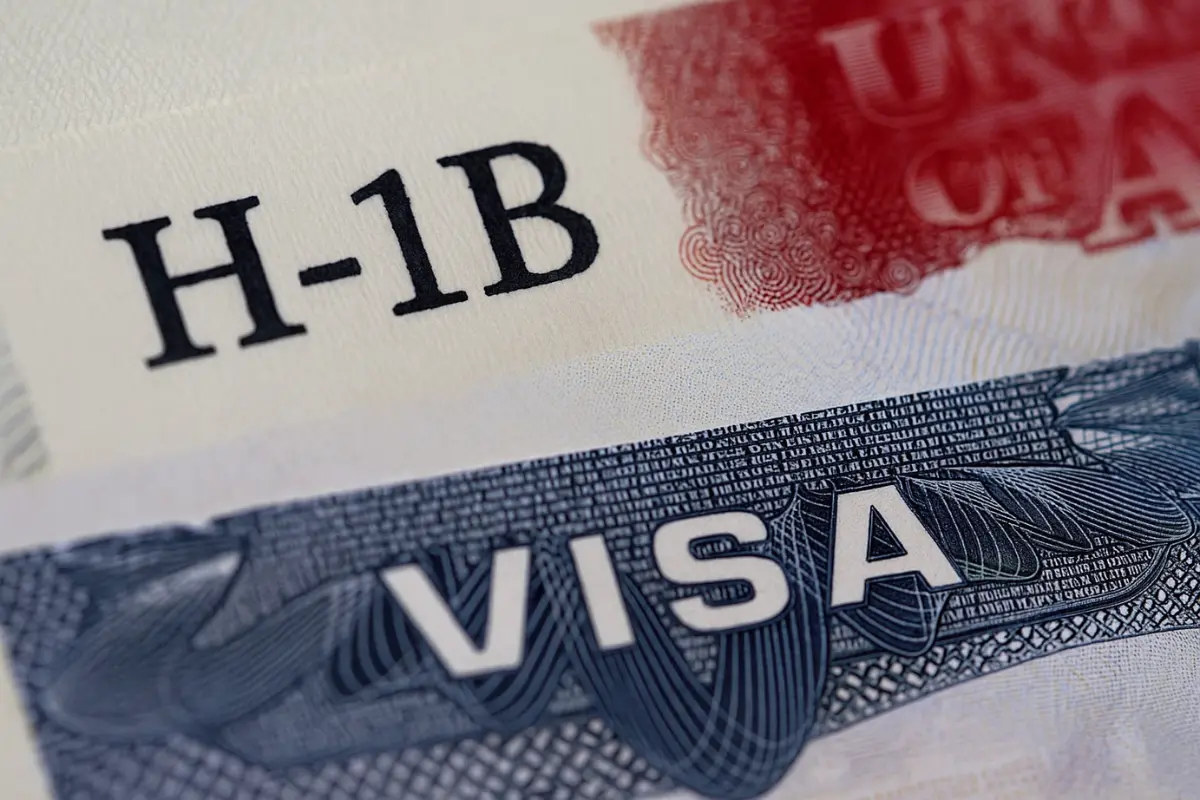
Two years after championing deeper energy and technology partnerships with India, Texas Governor Greg Abbott has taken a sharp turn on skilled immigration. On Tuesday, Abbott ordered an immediate freeze on all new and renewed H-1B visa petitions by Texas state agencies and public universities, marking one of the most aggressive state-level crackdowns on the federal skilled-worker program.
The directive, effective immediately and set to run through May 31, 2027, reflects mounting pressure from the MAGA wing of the Republican Party, which has increasingly framed immigration — legal and illegal alike — as a threat to American jobs and wages.
In a letter sent to state agency heads, Abbott cited what he called “recent reports of abuse” within the H-1B system. The program, he argued, has drifted from its original purpose of filling genuine skill gaps and is instead being used to displace qualified American workers with cheaper foreign labor.
“The state government must lead by example,” Abbott wrote, stressing that public institutions should turn to foreign workers only when a “unique skill set” cannot be sourced locally.
Texas: Education and Research in the Crosshairs
The Texas H-1B visa freeze applies to all state-funded entities, including public universities, hospitals, and school systems. Abbott questioned in particular the use of H-1B visas in K-12 education, higher education, and publicly funded research roles — positions that often employ teachers, instructors, physicians, and researchers, many of whom are from India.
The order halts not only new applications but also renewals, a move that could force institutions to let go of existing staff once their visas expire.
To justify the freeze, Abbott has directed the Texas Workforce Commission to conduct a sweeping audit of H-1B usage across state entities. By March 2026, agencies must submit detailed disclosures listing job titles, salaries, and countries of origin of all H-1B employees.
National Politics, State-Level Impact
The Texas decision comes amid sweeping changes to the U.S. immigration landscape driven by President Donald Trump’s renewed “America First” agenda and the political muscle of his MAGA base.
Late last year, federal authorities imposed a sharply higher $100,000 fee for new H-1B petitions, significantly slowing applications nationwide. Abbott’s move goes even further, effectively slamming the door shut — at least temporarily — for state institutions.
Texas now joins Florida, where Governor Ron DeSantis implemented similar restrictions, signaling a broader Republican-led push to curb legal skilled immigration at the state level.
Texas: Pressure Campaign and Media Scrutiny
Abbott’s decision follows months of sustained pressure from conservative activists, right-wing media outlets, and local political leaders.
A Dallas newspaper recently published investigative reports revealing that the University of Texas and Texas A&M systems had spent millions of dollars on H-1B sponsorships. A local television station aired an exposé highlighting questionable visa practices, including home-based staffing firms — some Indian-led — sponsoring workers without clearly defined job sites.
Among those urging action was Abraham George, the Indian-American chairman of the Texas Republican Party and a vocal Trump supporter. According to local reports, George pushed Abbott to adopt a “Florida-style” approach and later welcomed the freeze as a necessary corrective.
A community leader connected to the Texas university system acknowledged that visa abuse exists “in part” but warned that many mainstream Republicans, including Indian-Americans, are backing MAGA demands out of fear of being labeled RINOs — Republicans in Name Only.
A Contradiction with Abbott’s India Outreach
The freeze sits uneasily alongside Abbott’s long-standing engagement with India. The governor led trade missions to the country in 2018 and 2024, meeting Prime Minister Narendra Modi, senior ministers, and business leaders from firms such as Adani Group, HCLTech, Wipro, and Infosys — all of which maintain large operations in Texas.
Following the 2024 mission, Abbott celebrated $1.4 billion in new Indian investment, calling Texas the top U.S. destination for Indian foreign direct investment and job creation.
Yet MAGA hardliners have increasingly attacked Abbott for those ties, accusing him of being overly accommodating to India at a time when anti-immigrant sentiment has intensified online and on the campaign trail.
Rising Rhetoric, Growing Unease
Though the Texas H-1B visa freeze targets institutions rather than individuals, critics say the surrounding rhetoric has grown more hostile.
Recent remarks by Republican attorney general candidate Aaron Reitz, who described parts of Texas as being “invaded” by Indian immigrants, have drawn sharp criticism. Masked protests in Irving blaming visa holders for demographic changes, along with online attacks targeting a 90-foot Hanuman statue at the Ashtalakshmi temple in Sugar Land, have further alarmed civil rights groups.
Who Will Feel the Impact
The biggest effects of the freeze are expected at flagship institutions such as the University of Texas at Austin, Texas A&M, Texas Tech, MD Anderson Cancer Center, and the wider Texas Medical Center in Houston. These organizations rely heavily on foreign-born talent, particularly from India, in fields like medicine, engineering, and advanced scientific research.