
Texas Governor Says ‘No Reason’ for H-1B Workers in Schools
Texas Governor Greg Abbott Moves to Review H-1B Visa Employment in Public Schools
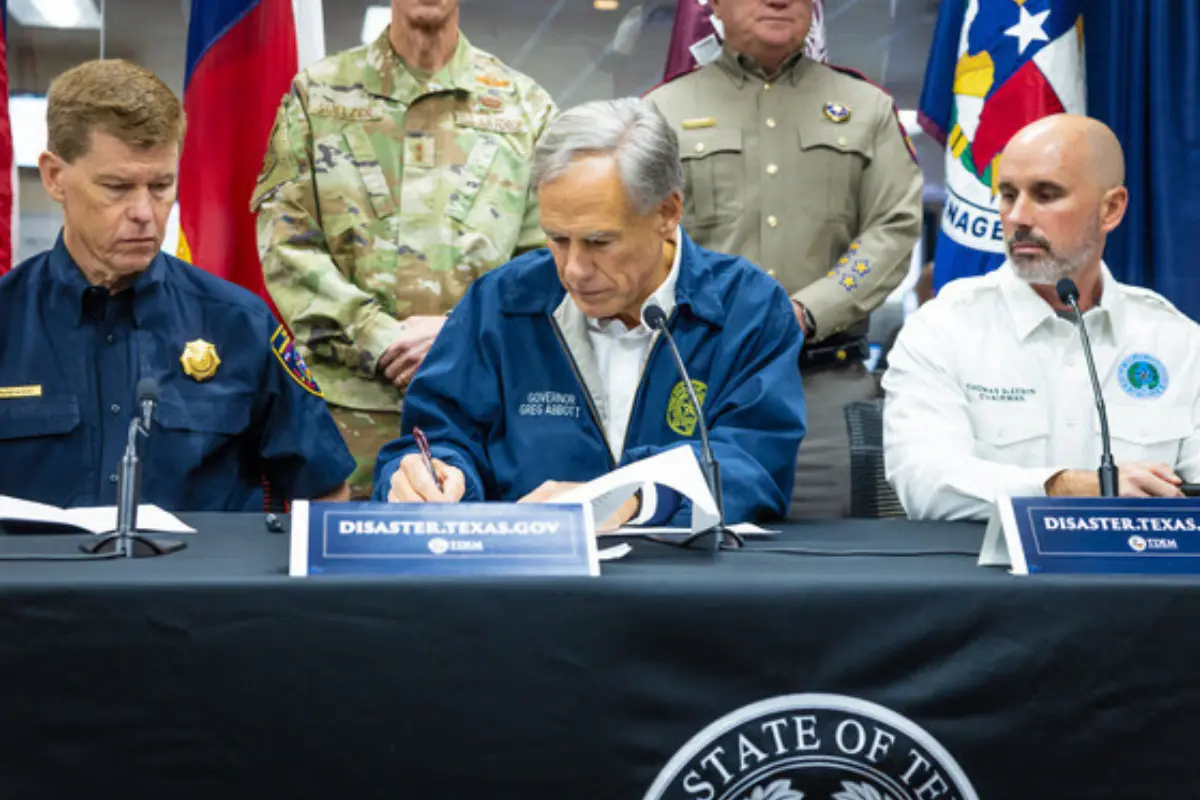
Texas Governor Greg Abbott has directed all public K–12 school districts and state-funded universities to submit a complete list of employees working on H-1B visas, declaring that there is “no reason” for foreign workers to be employed in Texas public schools. The move has triggered intense debate over immigration, workforce shortages, and the future of higher education and public schooling in the state.
Speaking on a conservative radio programme on Monday, Abbott said his administration is reviewing whether taxpayer money is being used to support speciality visas for highly skilled foreign workers within Texas’s public education system. According to the governor, his office is examining the scope of H-1B employment and will announce an “action plan” later this week.
The latest development follows reporting by The Quorum Report, which revealed that Abbott had already instructed institutions within the Texas A&M University System to provide detailed information on all H-1B visa holders. Campuses were asked to submit employee names, job roles, and countries of origin by the end of Monday.
Texas Governor: Questions Need for H-1B Workers in Public Schools
H-1B visas are part of a federal programme that allows US employers to hire foreign professionals in specialty occupations, particularly in fields requiring advanced degrees or technical expertise. The visas are widely used by universities, hospital systems, research centres, and public school districts—especially during periods of workforce shortages.
Despite this, Abbott said he does not “see any reason” why H-1B visa holders should be working in Texas public schools. His remarks echo broader conservative concerns about immigration and align with claims made during the Trump administration alleging widespread abuse and fraud within the H-1B system.
Abbott suggested that some visa holders admitted during previous administrations may have overstayed their permits and could now be living in the country unlawfully. He added that he may request the Trump administration to “withdraw them,” a statement that has raised legal and constitutional questions among immigration experts.
Federal Data Shows Heavy Reliance on H-1B Visas
Federal records indicate that several major Texas institutions rely heavily on H-1B workers. The Dallas Independent School District sponsors the highest number in the state, with 230 H-1B employees. It is followed closely by the University of Texas Southwestern Medical Center in Dallas with 228.
Other institutions with significant numbers include Texas A&M University’s flagship campus with 214 H-1B workers, the University of Texas MD Anderson Cancer Center with 171, and the University of Texas at Austin with 169. Many of these employees serve as teachers, researchers, physicians, and specialised faculty members.
Education leaders argue that these roles are often difficult to fill locally, particularly amid an ongoing teacher shortage and increasing demand for specialised academic and medical expertise.
Texas Governor: Rising Costs and Policy Shifts Under Trump
The controversy comes amid sweeping changes to the H-1B programme at the federal level. New H-1B petitioners are now required to pay $100,000 per application, a dramatic increase from the previous fee range of $2,000 to $5,000 announced by former President Donald Trump last September.
In addition, the long-standing lottery system for awarding visas is set to be replaced by a new framework that prioritises higher wages and highly specialised skills. Supporters say the changes will protect American jobs, while critics warn they could cripple universities, healthcare systems, and public education.
Abbott defended the crackdown, saying it is about ensuring opportunities for Texans. “The fact of the matter is we want to make sure that our communities are safe,” he said. “We want to make sure our communities are not having people come in and take jobs that Texans could easily fill.”