
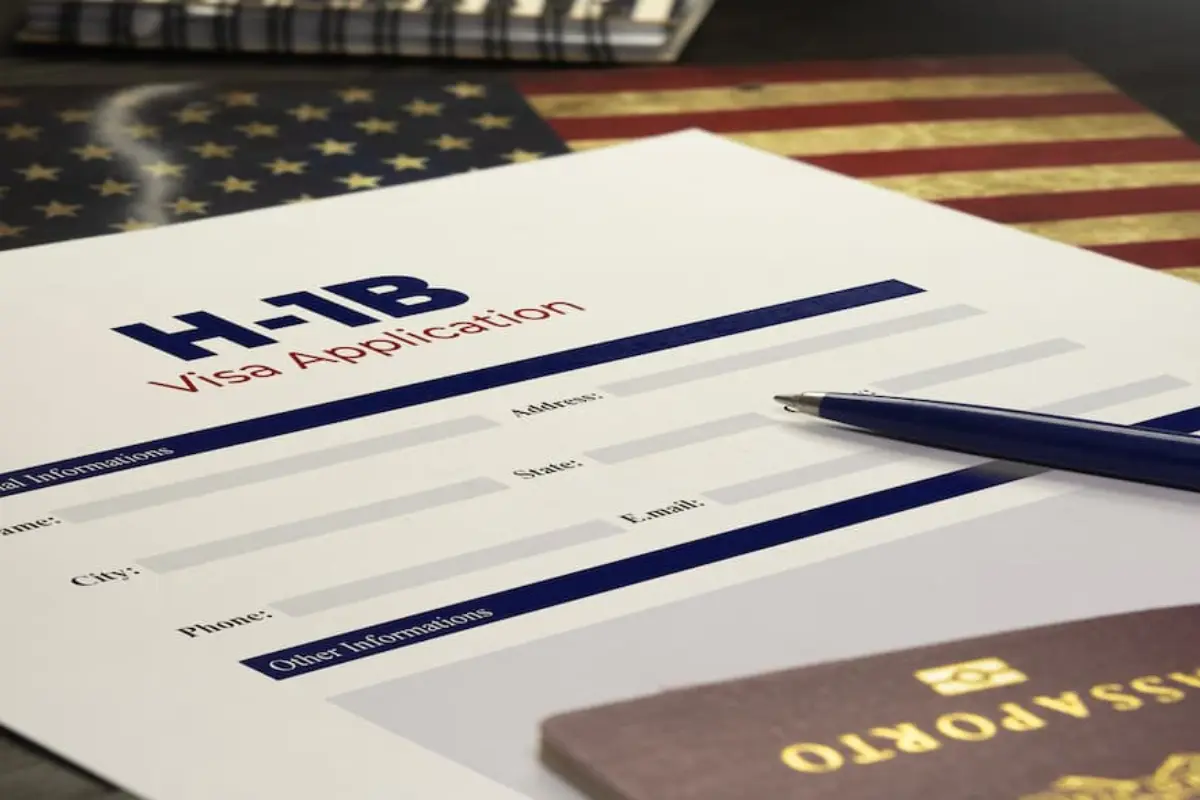
America’s global leadership in technology is under pressure — not from a lack of ideas, capital, or ambition, but from a tightening chokehold on talent. The Indian tech talent crisis is quickly becoming a central concern among US technology executives, as outdated immigration policies block thousands of skilled workers from contributing to the nation’s most vital sectors.
A recent nationwide survey conducted by Manifest Law — involving over 500 senior leaders in artificial intelligence, software, semiconductors, and startups — has brought this simmering concern into sharp focus. An overwhelming 93% of respondents said that high-skilled immigration is essential to US competitiveness, while 35% labeled it critically important to the survival and success of their own companies.
“The roles most affected are the ones driving tomorrow’s breakthroughs — software engineers, AI researchers, hardware architects, and even startup founders,” said Nicole Gunara, principal immigration attorney at Manifest Law. “We’re not talking about filling jobs — we’re talking about advancing innovation. And without access to Indian tech talent, many firms are stuck.”
Tech Talent: Innovation Held Back by Bureaucracy
The Indian tech talent crisis is fueled by growing visa costs, processing delays, and an overall lack of modernization in the US immigration system. According to the survey, skyrocketing fees and legal hurdles are the biggest obstacles companies face when hiring international talent. Recent increases by the US Citizenship and Immigration Services (USCIS) include a 70% hike in H-1B petition fees for large employers and a massive jump in initial registration costs — from $10 to $215 — for fiscal year 2025.
The impact is particularly severe for Indian professionals. Between 2022 and 2023, Indian nationals accounted for 72.3% of all H-1B visa recipients and nearly half of all STEM OPT applicants. This disproportionate share reveals just how crucial India is to America’s tech labor force.
“The US simply doesn’t have the domestic pipeline to support its tech ambitions,” Gunara added. “We rely heavily on highly skilled immigrants — especially from India — to fill those gaps. And every delay, every restriction, sets the industry back.”
AI Talent Shortage Reaches Critical Level
One of the most urgent issues highlighted by the survey is the shortage of AI expertise — an area where Indian engineers and researchers play a pivotal role. With global competition for AI professionals growing fiercer by the day, US firms are finding themselves squeezed. According to a McKinsey study, companies that aggressively adopt AI and digital tools outperform their competitors by as much as 6x in shareholder returns.
That kind of performance isn’t possible without talent, and the Indian tech talent crisis is threatening to slam the brakes on progress.
Tech Talent: Rising Support for Targeted Reforms
If there’s a silver lining, it’s this: the demand for reform is growing louder and more united. The Manifest Law survey revealed:
-
56% of leaders support raising the H-1B visa cap.
-
62% back industry-specific visa tracks.
-
64% want streamlined transitions from student visas to green cards.
-
74% said the immigration system should be simplified.
-
67% endorsed government investment in technology to modernize visa processing.
Another 56% support a new visa specifically designed for venture-backed startup founders — a move that could boost innovation and attract global entrepreneurs.
“We see legal immigrants founding companies, leading product innovation, and solving global problems,” said Gunara. “A transparent, efficient immigration system isn’t just humane — it’s a strategic business necessity.”
Long-Term Risks to Education and Industry
The consequences of inaction extend far beyond the workplace. Orn Bodvarsson, a senior economist and immigration scholar, warns that America’s tech dominance could suffer long-term erosion if Indian students and professionals begin turning away from US opportunities.
“Indian nationals are facing rising uncertainty, fewer guarantees, and longer wait times,” he explained. “This is reducing the ROI of a US education and career, which could lead to a decline in international student applications and job acceptances — a brain drain, essentially.”
That brain drain could undercut decades of growth in sectors like cloud computing, biotech, quantum research, and semiconductor manufacturing — industries that depend on a steady influx of elite talent.
Also Read : Social Media Checks for Student Visas: US Platforms and Monitoring Goals