
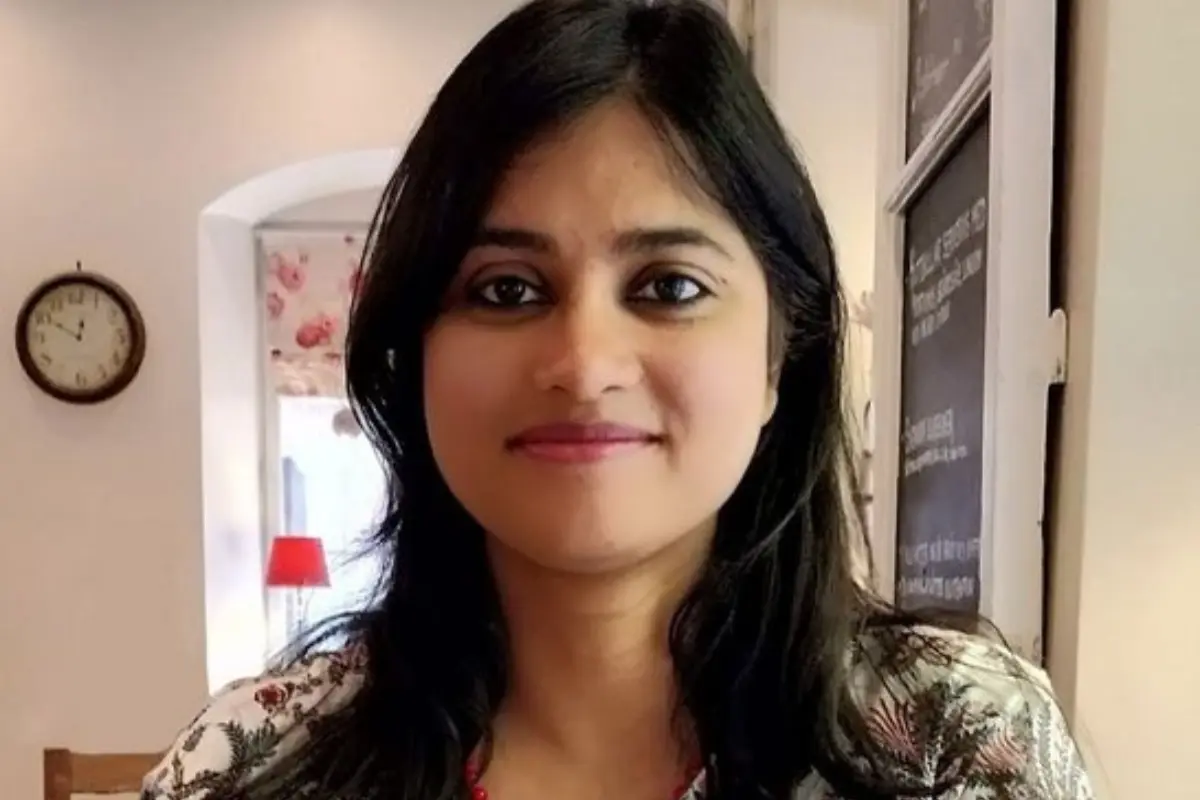
In a world where time slowly erodes history, Tanushree Gupta Art Conservation stands as a bridge between past and future — a symbol of dedication to preserving humanity’s tangible heritage. An Indian-born art conservation researcher, Tanushree has carved a remarkable space in the global conservation community through her work at the Institute of Conservation, University of Applied Arts Vienna, Austria.
Her journey from New Delhi to Vienna is not merely academic; it’s a story of passion, persistence, and purpose — a commitment to ensuring that art, culture, and history continue to tell their stories for generations to come.
Tanushree Gupta: A Journey Rooted in Passion for Preservation
Tanushree Gupta’s tryst with art conservation began in India, where she pursued her Master’s and later a PhD in Conservation at the National Museum Institute of History of Art, Conservation and Museology (NMIHACM), New Delhi. Her doctoral research, “Scientific Studies on the Conservation Issues of Acrylic Paintings,” set the foundation for a lifetime of scientific inquiry and cultural preservation.
What makes her work unique is her fusion of science, art, and cultural empathy. Acrylic paintings, though modern, pose complex conservation challenges — and Tanushree’s research illuminated the methods to stabilize and sustain these works in diverse climatic conditions, particularly in tropical regions like India.
Becoming a Global Voice in Art Conservation
After completing three PhD internships between 2011 and 2016 at the Institute of Conservation, University of Applied Arts Vienna, Tanushree Gupta became an integral part of the institute’s team in July 2016. Her work centers on collection care practices, research, and the coordination of Indo-Austrian collaborative projects in the field of tangible cultural heritage.
These collaborations have become instrumental in bridging knowledge systems between India and Europe. Through workshops, hands-on training, and international conferences, Tanushree ensures that young conservators gain both theoretical grounding and practical expertise. Her work reflects a profound belief: that preserving cultural heritage is not just a profession but a moral responsibility.
Tanushree Gupta: Leadership, Collaboration, and Global Impact
Tanushree’s leadership extends beyond her institution. She served as the Coordinator for the International Council of Museums – Committee for Conservation (ICOM-CC), specifically leading the Education and Training in Conservation Working Group (2020–2023). In this capacity, she guided global discussions on conservation education, helping shape the next generation of conservators worldwide.
In 2021, her growing impact was recognized internationally when she was listed among the #EuropeIndia40 – Young Leaders Promoting Europe-India Relations. This recognition honored her work in strengthening cultural bridges between two continents through scientific collaboration and shared learning.
At the Institute of Conservation, Tanushree contributes not only as a researcher but also as a member of the editorial team, a mentor to students, and an active participant in conservation projects. Her approach combines rigorous academic methodology with a human touch — valuing both the science behind materials and the stories they tell.
Indo-Austrian Collaboration: A Model of Cultural Synergy
The Indo-Austrian cooperation in art conservation, facilitated by visionaries like Tanushree Gupta, has been transformative. She has played a pivotal role in creating meaningful connections between the National Museum Institute, New Delhi, and the University of Applied Arts Vienna.
While India’s conservation education begins at the Master’s level with limited practical exposure, Austria’s programs emphasize hands-on training and specialization. Tanushree’s efforts have helped bridge this educational gap, leading to mutual growth and knowledge exchange between the two nations.
Her ongoing work in collection care at the Napier Museum, Trivandrum, India, stands as a living example of this collaboration. She organizes regular workshops, on-site projects, and conferences, disseminating the outcomes through publications, presentations, and student training — nurturing a new generation of culturally aware conservators.
Life in Austria: Embracing Diversity, Building Connections
Living in Vienna since 2016, Tanushree has become part of a vibrant academic and cultural community. Through the support of OeAD-GmbH, she engaged with scholars from various nations, forming cross-cultural bonds that enriched her understanding of global heritage.
In her reflection on these experiences, she beautifully captures the essence of her journey:
“The similarities bring us together, and diversities make us more curious.”
Her time in Austria has not only advanced her research but also deepened her appreciation for cultural plurality — a core value that resonates in every conservation project she undertakes.
Empowering Future Conservators
Beyond her personal achievements, Tanushree Gupta is deeply committed to education and mentorship. Through her active involvement in international networks, she inspires young researchers to pursue art conservation with curiosity, compassion, and scientific rigor.
She emphasizes that heritage conservation is not merely about saving objects — it’s about preserving human identity, memory, and creativity. Her philosophy encourages students to view conservation as a bridge between communities and as a form of cultural diplomacy.
Also Read : Vimal Kumar: Championing Clean Energy, ESG & Economic Growth