
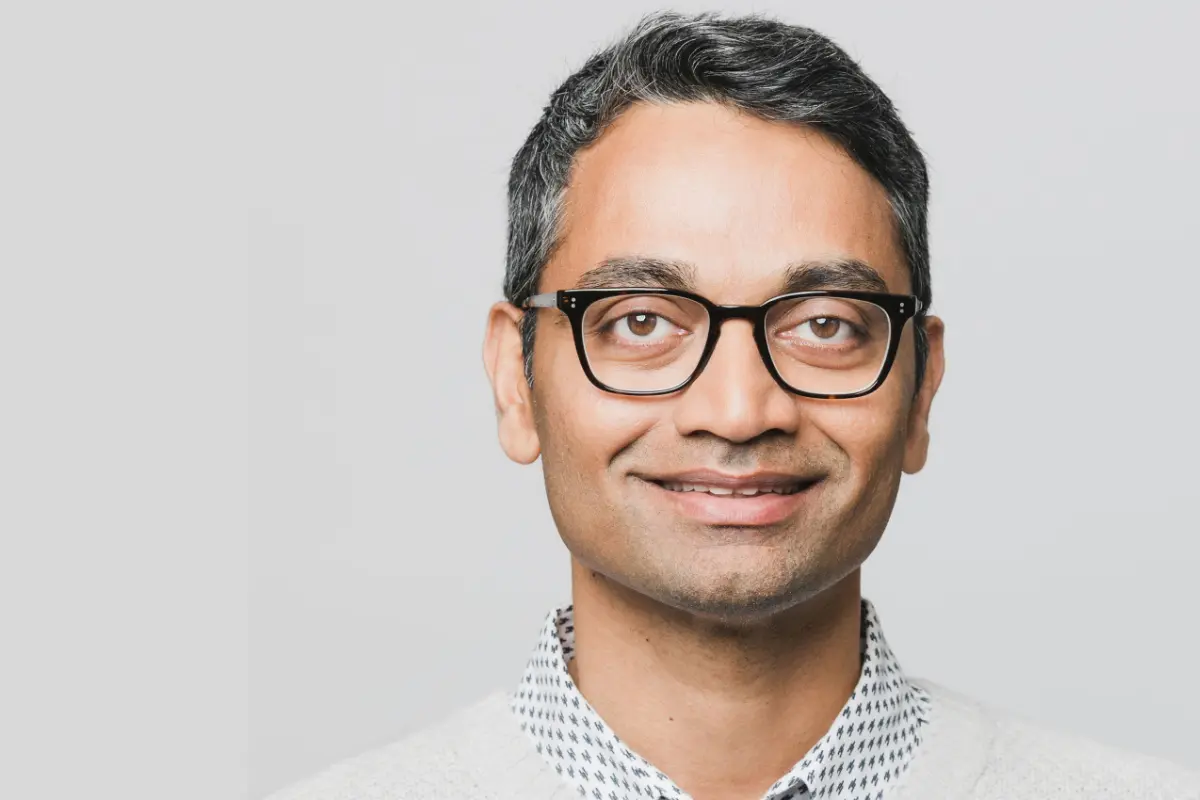
In a world driven by relentless innovation, Sundeep Peechu stands tall as one of Silicon Valley’s most respected venture capitalists—a man whose quiet determination and long-term vision have helped shape some of the most successful technology companies of the decade. As a Managing Partner and founding member of Felicis, a top-tier venture capital firm in the San Francisco Bay Area, Sundeep has carved a niche for himself by betting early on transformative ideas and the founders behind them.
From AI-driven enterprises to companies revolutionizing health and finance, his fingerprints are found on some of the most groundbreaking startups in the world today. His investment portfolio includes industry-defining companies like Plaid, Komodo Health, Ginkgo Bioworks, Matterport, Coalition, Recursion Pharma, and Wish—each one a testament to his ability to see potential where others see uncertainty.
Sundeep Peechu: An Engineer’s Mindset, a Visionary’s Heart
Born with a deep appreciation for technology and problem-solving, Sundeep Peechu’s journey began in India. A graduate of the prestigious Indian Institute of Technology, Madras, he pursued his master’s in Computer Science at the University of Illinois, Urbana-Champaign, followed by an MBA from the Stanford Graduate School of Business. This unique blend of technical mastery and strategic insight became the foundation of his investment philosophy—combining analytical rigor with human empathy.
Before entering the world of venture capital, Sundeep built his early career as an engineer. He joined Intel after the acquisition of Sarvega, a startup where he had been an early employee responsible for designing critical elements of the company’s security infrastructure. This hands-on experience in product design, engineering challenges, and startup culture gave him a ground-level understanding of what it takes to build resilient technology companies from scratch.
Felicis: Building the Future, One Bold Bet at a Time
When Sundeep Peechu joined Felicis in 2010, it was a relatively young venture capital firm with an ambitious vision—to back founders who were daring enough to dream differently. Over the years, he became instrumental in transforming Felicis into one of the most respected investment firms in Silicon Valley. Today, as a Managing Partner, he leads the firm’s focus on AI and enterprise software startups, helping shape the next wave of global innovation.
Under his leadership, Felicis has launched its largest fund yet—$900 million—dedicated primarily to AI-driven companies. For Sundeep, this is not merely a financial move but a conviction: a belief that artificial intelligence will define the next great industrial revolution and fundamentally transform how people live and work.
His early investments in AI companies like Komodo Health, InCountry, and Mercor demonstrate his ability to identify groundbreaking potential before the rest of the market catches on. His guidance as a board member and mentor has helped many of these startups navigate growth, scale globally, and create enduring impact.
Sundeep Peechu: Guided by Values, Grounded by Roots
Beyond his professional achievements, Sundeep Peechu’s story is one of personal sacrifice, perseverance, and gratitude. He often credits his parents for shaping his values and worldview. “My parents lived apart for over a decade so I could get a better education,” he once shared. “Since I’ve internalized that, I’ve been determined not to let their efforts go in vain.”
This spirit of long-term commitment and optimism has guided him through every major decision in life and business. He has also been deeply influenced by his father-in-law, BVR Mohan Reddy, the founder of Cyient, a pioneer in India’s technology sector. Observing Mohan Reddy’s leadership and values strengthened Sundeep’s belief in integrity, patience, and purpose-driven entrepreneurship.
The Investor Who Understands Founders
Unlike many investors who focus solely on numbers, Sundeep Peechu has built a reputation for being deeply empathetic toward founders. He believes the most meaningful impact comes from building genuine relationships, not just funding rounds. Whether it’s connecting founders before they start a company, helping recruit key team members, or even mediating disputes among co-founders, his involvement goes far beyond capital.
He once remarked that “very few investors earn the trust to mediate founder disputes—and the stakes are high.” This level of trust comes from authenticity, consistency, and a genuine desire to see others succeed. It is what sets Sundeep apart as not just an investor, but as a mentor, strategist, and steady hand through turbulent times.
Decoding the Venture Capital Mindset
Venture capital, according to Sundeep, is a misunderstood business. He emphasizes that founders must understand how venture works—why it’s structured for high-risk, high-reward outcomes and why most startups, by nature, are experiments in progress. He advocates for transparency between founders and investors, encouraging entrepreneurs to craft narratives aligned with their true potential rather than chasing trends.
This clarity of thought—combined with a portfolio mindset—is something he extends to his personal philosophy as well. If he were to give a commencement speech, he says, “Think of your career as a portfolio of ten bets. Start with low-risk, high-stability bets for safety—but move toward high-risk, high-reward opportunities. Even if each has only a 10% chance of success, the probability that at least one becomes a home run is 66%. That’s the math of ambition.”
A Thought Leader for the AI Era
In an age where artificial intelligence is redefining industries, Sundeep Peechu has emerged as a leading voice on the subject. His perspectives on AI’s impact on the future of work, the evolution of institutions, and the interplay between technology and society have inspired thousands across platforms like LinkedIn and global tech conferences.
He believes that while institutions may continue to disappoint us with their pace of adaptation, science and technology will consistently surprise us positively. He predicts that by 2030, technological innovation—especially in areas like carbon removal and sustainability—will achieve breakthroughs faster than coordinated global policies.