
Smithsonian Returns Stolen Sculptures to India After Decades
Smithsonian Returns Stolen Sculptures to India, Strengthening Ethical Museum Practices
Smithsonian: In a landmark move underscoring a growing global push for ethical stewardship of cultural heritage, the Smithsonian’s National Museum of Asian Art has announced the return of three ancient bronze sculptures to India after confirming they were illegally removed from South Indian temples decades ago.
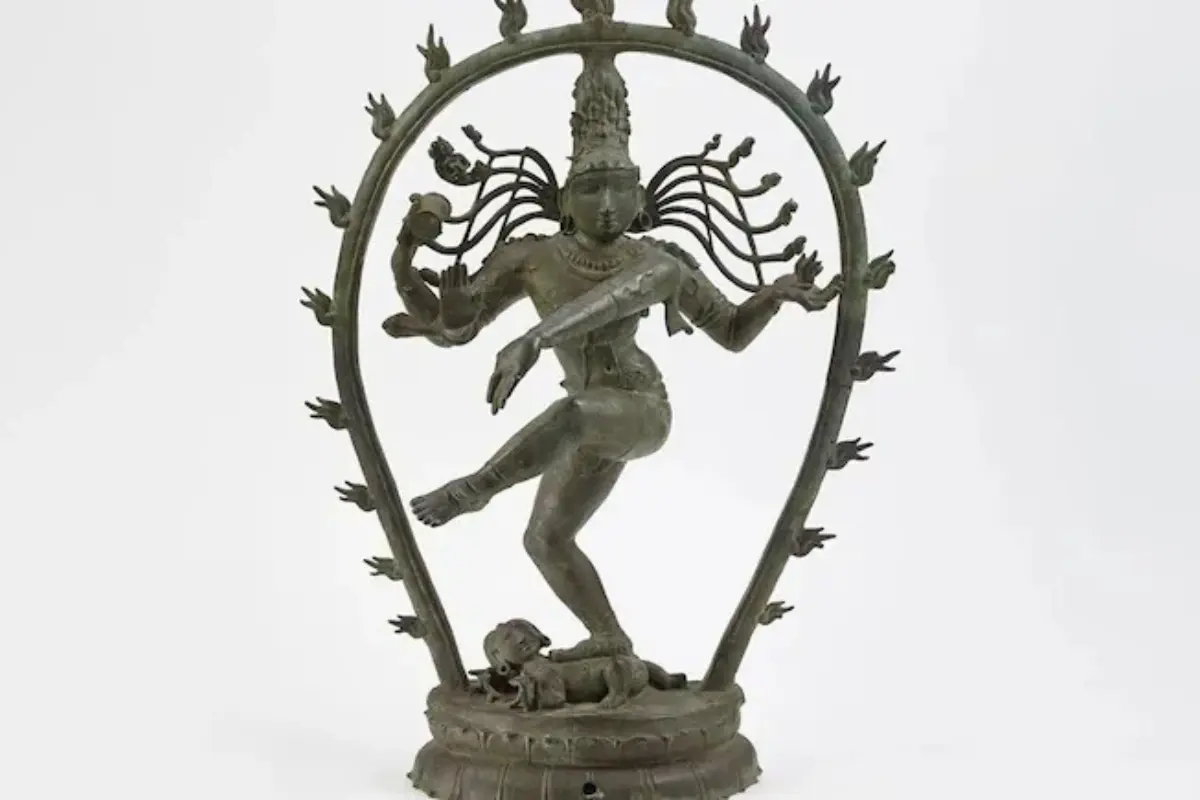
The decision follows years of rigorous provenance research that traced the origins, movement and unlawful extraction of the sacred objects from temple sites in Tamil Nadu. The sculptures being repatriated include “Shiva Nataraja” from the Chola period (circa 990), “Somaskanda” from the 12th-century Chola era, and “Saint Sundarar with Paravai” dating back to the Vijayanagar period of the 16th century.
The announcement marks one of the most significant instances in which a major American museum has voluntarily acted on the findings of its own provenance investigations.
Smithsonian: One Sculpture to Remain on Long-Term Loan
While all three sculptures are being formally returned to India, the Government of India has agreed to place the “Shiva Nataraja” on long-term loan at the Smithsonian. The Washington-based museum said the arrangement allows it to present the full and transparent history of the object — from its sacred origins and illegal removal to its eventual return.
The iconic bronze will be displayed as part of the exhibition “The Art of Knowing in South Asia, Southeast Asia, and the Himalayas,” where visitors will encounter not only its artistic brilliance but also the complex story behind its journey.
Museum officials said the decision reflects a shift in how institutions engage with contested objects, prioritising historical truth over ownership.
Sacred Bronzes Rooted in Living Traditions
All three sculptures were originally ritual bronzes, created to be carried in temple processions and worshipped as living embodiments of divinity. Crafted using the sophisticated lost-wax casting technique perfected in South India, these bronzes represent some of the highest achievements in Indian metallurgical and artistic traditions.
The “Shiva Nataraja,” depicting Shiva as the cosmic dancer, is especially revered for symbolising the rhythm of creation and destruction. The “Somaskanda” represents Shiva with Parvati and Skanda, embodying divine family harmony, while “Saint Sundarar with Paravai” honours one of Tamil Nadu’s most celebrated Shaivite poet-saints.
Why the Smithsonian Returns Stolen Indian Sculptures
In 2023, working with the Photo Archives of the French Institute of Pondicherry, museum researchers confirmed that the sculptures had been photographed in functioning temples across Tamil Nadu between 1956 and 1959. These images provided irrefutable proof that the objects were still in situ well after Indian laws prohibited their removal.
Smithsonian: Museum Leadership Emphasises Ethical Responsibility
Chase F. Robinson, Director of the National Museum of Asian Art, said the return reflects a deeper institutional commitment to transparency and accountability.
“We are committed to stewarding cultural heritage responsibly and advancing transparency in our collection,” Robinson said. “Our research seeks to understand not just how objects entered the museum, but the full history of their origins and movements across time.”
He added that the repatriation demonstrates how rigorous scholarship can reshape museum practices and build trust with source communities.
“The return of these sculptures, the result of rigorous research, shows our commitment to ethical museum practice. We are deeply grateful to the Government of India for allowing us to continue exhibiting the long-admired Shiva Nataraja for the benefit of our visitors.”
Tracing the History of the Three Sculptures
The provenance trail revealed troubling acquisition histories.
The “Shiva Nataraja” originated from the Sri Bhava Aushadesvara Temple in Tirutturaippundi Taluk, Tanjavur district, where it was photographed in 1957. The sculpture was later purchased in 2002 from the Doris Wiener Gallery in New York. Subsequent research determined that falsified documentation had been submitted to legitimise the sale.
The “Somaskanda” and “Saint Sundarar with Paravai” entered the museum’s collection as part of a large gift of 1,000 objects from Arthur M. Sackler in 1987. Archival photographs confirmed that the Somaskanda stood at the Visvanatha Temple in Alattur village in 1959, while Saint Sundarar with Paravai was documented at a Shiva temple in Veerasolapuram village in 1956.