
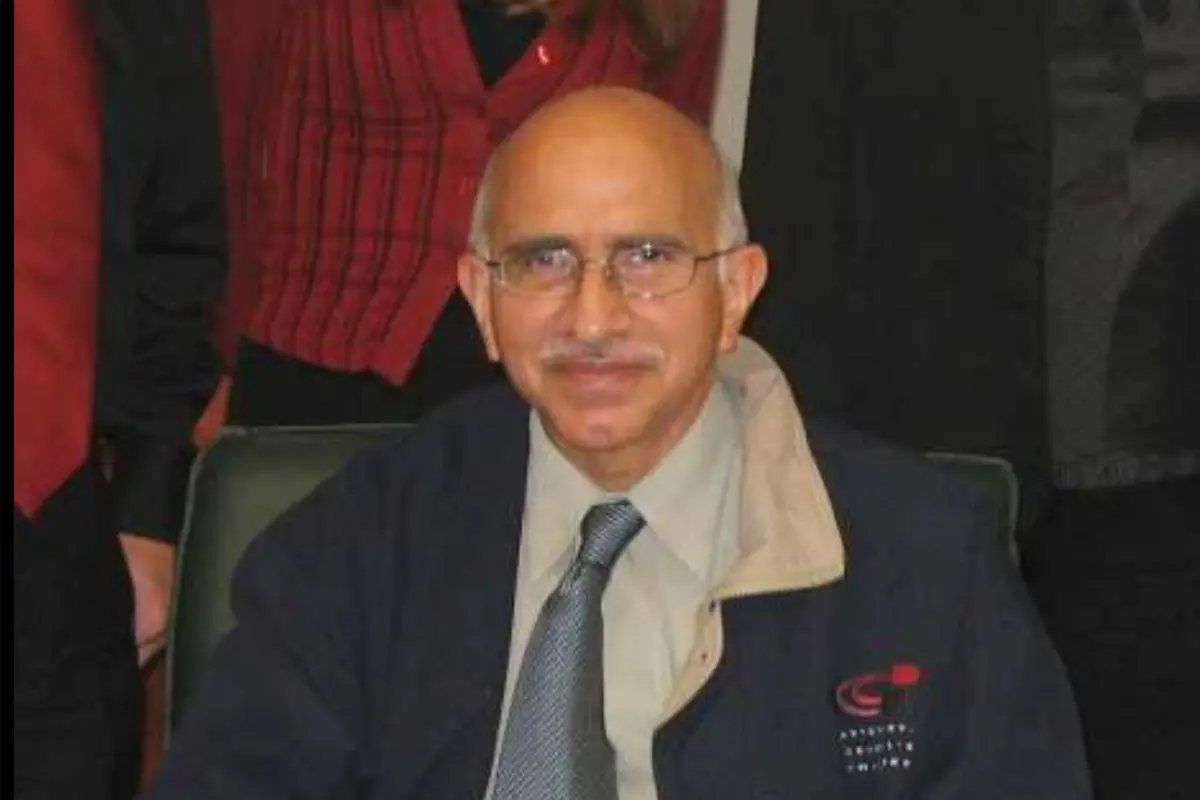
Sivakant Tiwari, professionally known as S. Tiwari, was a towering figure in Singapore’s legal landscape. Born on December 20, 1945, and passing on July 26, 2010, his journey from a young immigrant to a senior legal officer in the Singapore Legal Service is nothing short of inspirational. Tiwari’s story is a testament to the power of perseverance, intellect, and an unwavering commitment to public service. Through his career, he not only shaped Singapore’s legal framework but also played a pivotal role in international diplomacy.
Early Life and Education of Sivakant Tiwari: Foundations of Greatness
Sivakant Tiwari was born in India on December 20, 1945, to a modest family. His father, Thakurprasad Tiwari, was a clerk, and his mother was a housewife. Despite humble beginnings, Tiwari exhibited exceptional intelligence and determination. Moving to Singapore at a young age, he attended Monk’s Hill Primary School and Raffles Institution, where his academic brilliance began to shine.
Initially, Tiwari’s father envisioned him as a doctor. However, destiny had other plans. During a biology lab session, an unexpected incident with a hamster led him to reconsider his career path. This pivotal moment redirected his ambitions towards law, a field where he would eventually make an extraordinary impact.
Sivakant Tiwari pursued his legal education at the University of Singapore, where he was mentored by Professor S. Jayakumar, who would later become Singapore’s Minister for Law and Senior Minister. Graduating with a Bachelor of Laws (LL.B.) in 1971, Tiwari set the stage for a lifelong journey of legal excellence and public service.
A Remarkable Legal Career: Shaping Singapore’s Judicial Landscape
Tiwari’s career in the Singapore Legal Service spanned 36 years, during which he consistently demonstrated exceptional legal acumen, leadership, and dedication. He joined the government as a legal officer in April 1971, quickly rising through the ranks due to his unparalleled expertise and work ethic.
Pioneering Roles and Leadership
In 1974, Sivakant Tiwari became the head of the legal department at the Ministry of Defence. His strategic mindset and problem-solving abilities distinguished him as a leader who could navigate complex legal landscapes with ease. In 1987, he was appointed as the head of the Civil Division at the Attorney-General’s Chambers. Eight years later, in 1995, he became the inaugural head of the newly established International Affairs Division, specializing in public international law.
Leading Landmark Commissions of Inquiry
One of Tiwari’s most significant contributions was his role as lead counsel in three major public inquiries. These inquiries addressed critical incidents that shaped public safety standards and legal precedents in Singapore:
- Explosion and Fire aboard S.T. Spyros (1978): This tragic event claimed 76 lives. Tiwari’s leadership in the inquiry brought clarity and justice to the affected families while ensuring enhanced safety regulations for future maritime operations.
- Sentosa Cableway Disaster (1984): Following the collision of the drillship Eniwetok into the Sentosa cableway, which resulted in seven deaths, Tiwari’s thorough investigation led to stringent safety protocols and accountability measures.
- Hotel New World Collapse (1988): Tiwari’s legal expertise helped uncover the causes behind the catastrophic building collapse, influencing building safety standards nationwide.
Defending National Interests: International Legal Affairs
Tiwari’s role extended beyond domestic legal affairs to the international stage. He was an integral part of the Singapore delegation involved in the United States – Singapore Free Trade Agreement negotiations, signed in 2003. His contributions were pivotal in shaping the Intellectual Property and Dispute Settlement Chapters of the agreement.
In 2007, Sivakant Tiwari represented Singapore in the historic territorial dispute with Malaysia over Pedra Branca before the International Court of Justice (ICJ). The ICJ ultimately ruled in favor of Singapore, cementing Tiwari’s legacy as a formidable advocate for national sovereignty.
His diplomatic prowess was also instrumental in establishing diplomatic relations between Singapore and the People’s Republic of China, reflecting his exceptional negotiation skills and strategic foresight.
Recognition and Honors: Celebrating a Life of Service
Sivakant Tiwari’s exceptional service and dedication to the nation were recognized through numerous prestigious awards:
- Pingat Pentadbiran Awam (Emas) (Public Administration Medal (Gold), 1984): Awarded for his exemplary leadership and public service.
- Pingat Bakti Setia (Long Service Award, 1996): Acknowledging his unwavering commitment and decades of public service.
- Public Administration Medal (Gold) (Bar) (2000): Recognizing his continued excellence and influential leadership in the legal domain.
- Pingat Jasa Gemilang (Meritorious Service Medal, 2008): Celebrating his remarkable contributions to Singapore’s legal framework and international diplomacy.
Championing Cultural Identity: The Hindi Society (Singapore)
Beyond his legal achievements, Sivakant Tiwari was passionate about preserving cultural heritage. In 1990, he founded the Hindi Society (Singapore), serving as its founding president. Under his leadership, the society played a pivotal role in promoting Hindi education, allowing it to be recognized as a second language in secondary schools up to the O-level standard.
Sivakant Tiwari’s dedication to cultural preservation continued into his retirement as he served as the principal of the Society’s Hindi Centres, nurturing future generations to appreciate their linguistic heritage.
Also Read : Chetan Suryawanshi: The Record-Breaking Captain of Singapore Cricket