
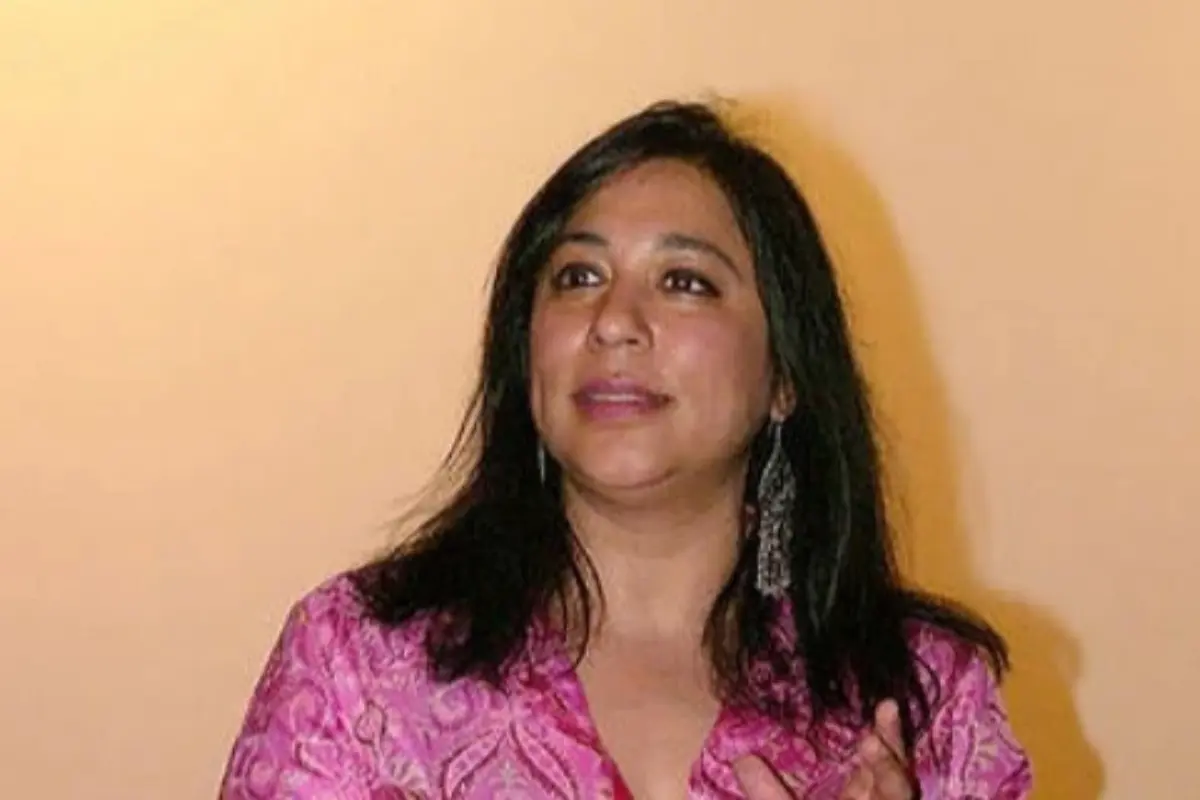
In the vibrant intersection of British theatre and global cinema, Shaheen Khan British Asian actress, has carved a path not only for herself but for countless women of color aspiring to be seen and heard in the world of performing arts. Born in 1960 in Moshi, Tanganyika, and now based in London, Khan’s career spans over four decades—an extraordinary journey that blends resilience, artistry, and groundbreaking representation.
From small stages to major studios, Khan has become a voice for nuanced storytelling. Her work, deeply rooted in both South Asian and British experiences, continues to inspire a new generation of storytellers and artists determined to redefine identity on their terms.
Shaheen Khan: A Cinematic Force That Changed the Game
Shaheen Khan first stepped into public recognition with her performance in Gurinder Chadha’s feminist classic Bhaji on the Beach (1993). The film, which centred on British Asian women navigating culture, gender, and freedom, was a harbinger of the revolution to come.
However, it was her unforgettable role as Mrs. Bhamra in the 2002 global hit Bend It Like Beckham that etched her into cinematic history. As the proud yet emotionally layered Punjabi mother, Khan portrayed the complexities of motherhood, tradition, and generational change with a quiet power that touched audiences worldwide.
That performance earned her a 2003 Satellite Award nomination, and even more importantly, solidified her place as a voice for multicultural narratives in mainstream media. She became a household name in communities that finally saw a version of their reality on screen.
Other significant screen roles followed, including appearances in Tomorrow Never Dies, You Will Meet a Tall Dark Stranger, and It’s a Wonderful Afterlife. On television, she made her mark with recurring roles in long-running dramas like Casualty and delivered a stirring performance in Doctor Who’s poignant episode Demons of the Punjab. Each appearance reaffirmed her as a rare artist capable of fusing dignity, strength, and humanity into every role she undertook.
Shaheen Khan: Championing Cultural Storytelling on Stage and Radio
While the world applauded her on screen, Khan was also making waves on stage and behind the scenes. A pioneering member of Tara Theatre, formerly Tara Arts, she helped bring authentic South Asian narratives into British theatre. Her contributions weren’t limited to acting—she emerged as a powerful playwright and creative force in radio and stage production.
Partnering with fellow artist Sudha Bhuchar, Khan co-wrote Girlies for BBC Radio 4, a bold exploration of young British Asian women navigating life’s contradictions. Their stage collaboration, Balti Kings, which premiered in 1999 through Tamasha Theatre, resonated deeply with immigrant communities. The play was later adapted for Australian audiences as The Curry Kings of Parramatta, expanding the cultural conversation globally.
She also co-starred and contributed to A Tainted Dawn, a theatrical production built on real-life accounts of the 1947 Partition of India, demonstrating her commitment to intergenerational memory and healing. Her role as Lady Macbeth in a groundbreaking multicultural production of Macbeth by Tara Arts in 2015 was a bold statement in reimagining classic texts through diverse lenses.
Recognition, Awards, and a Legacy of Empowerment
For her rich contributions to the arts, Shaheen Khan, a British Asian actress, was honoured with the Asian Women of Achievement Award in 2008 in the Arts & Culture category. But her true legacy lies in how she has paved the way for others. She is not just an actress or a playwright; she is a cultural pioneer.
In every project—whether it be a BBC screenplay like The House Across the Street or a lead theatre role—Khan channels authenticity, grace, and power. Her presence sends a clear message: representation matters, and stories from every walk of life deserve a stage.
Also Read : Tech Leaders: India’s Talent Crisis Threatens US Competitiveness