
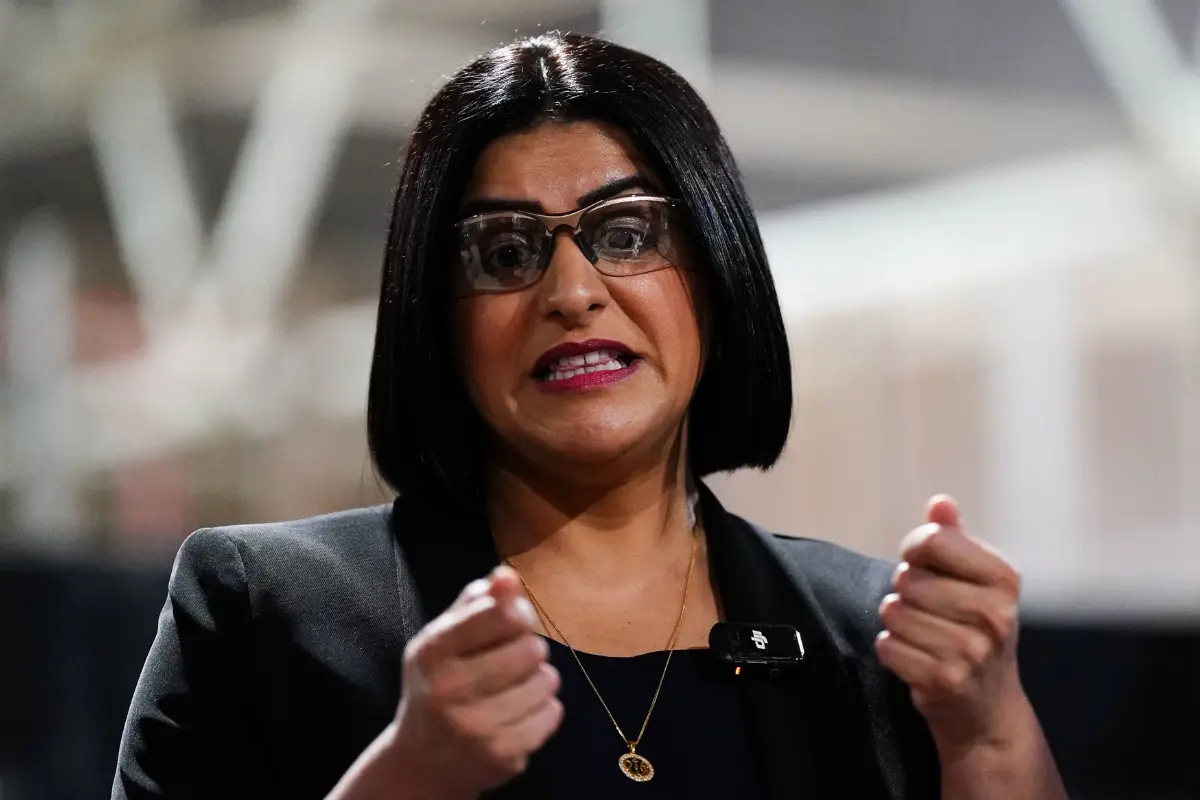
Shabana Mahmood: New UK Foreign Policy on Illegal Migration
Shabana Mahmood Imposes Visa Restrictions on DRC in First-Ever Use of Migration Sanction Powers
In a move that marks a new chapter in Britain’s border policy, Home Secretary Shabana Mahmood has officially imposed visa restrictions on the DRC (Democratic Republic of Congo) after the country refused to take back its nationals who have no legal right to remain in the United Kingdom.
This is the first time such punishment has been used under a law introduced in 2022—legislation passed during the Conservative government but never previously enacted. Labour’s decision to press the trigger signals a sharp shift toward tougher and more transactional diplomacy on migration.
Shabana Mahmood: Why the Democratic Republic of Congo Was Targeted
The Home Office states that the DRC repeatedly failed to cooperate, accusing the government in Kinshasa of “unacceptably poor and obstructive returns processes.” As a result:
-
DRC diplomats and ministers will lose preferential visa status
-
Citizens of Congo will no longer qualify for fast-track UK entry
-
A full visa ban—including on the Congolese president—remains under active consideration
Speaking outside Westminster, Mahmood delivered her strongest warning yet, saying:
“We expect countries to play by the rules. If one of their citizens has no right to be here, they must take them back. Take your citizens back or lose the privilege of entering our country.”
Other African Nations Fall in Line
Two other African nations—Namibia and Angola—initially resisted engaging with the UK’s deportation agenda. However, after being threatened with identical sanctions, both governments reversed course and agreed to accept deportees.
A senior government insider described the move as “just the beginning,” adding that Mahmood “won’t hesitate to go further and issue bans on any government that refuses to take responsibility for their citizens.”
Shabana Mahmood: Why the Numbers Don’t Tell the Full Story
Interestingly, official figures show that arrivals from the three African nations are low:
-
11 illegal migrants came from the DRC in the year to June
-
3 were recorded from Angola
-
None from Namibia
But Whitehall believes the policy is less about small individual totals—and more about sending a global message.
By making an example of one major non-compliant nation, the Home Office hopes to force wider international cooperation, especially as deportation flights remain slow and legally fraught.
Labour Strategy Echoes Trump-Era Immigration Tactics
Critics have noted similarities between Mahmood’s approach and policies once advanced by Donald Trump. The former U.S. President imposed similar travel restrictions on nearly 40 countries as part of a hardline stance on illegal migration.
Such comparisons have sparked discomfort among some Labour MPs, but Mahmood insists the public demands results, not rhetoric:
“This is just the start of the measures I am taking to secure our border and ramp up the removal of those with no right to be here.”
Foreign Office Joins the Pressure Campaign
Foreign Secretary Yvette Cooper confirmed she has instructed British diplomats worldwide to adopt a tougher, more transactional posture on returns.
“People who come to the UK illegally, overstay their visas, or commit crimes should expect to be returned. We will continue to demand the cooperation of their governments.”
The Bigger Picture – The UK’s Struggle With Migration
Since Labour took office in July 2024, nearly 50,000 people have been deported and more than 7,000 foreign criminals have been removed.
Yet the crisis continues on another front. Small boat crossings have exploded, with more than 41,000 migrants arriving across the English Channel in 2025 alone—nearly matching record levels despite government pledges to stop them.