
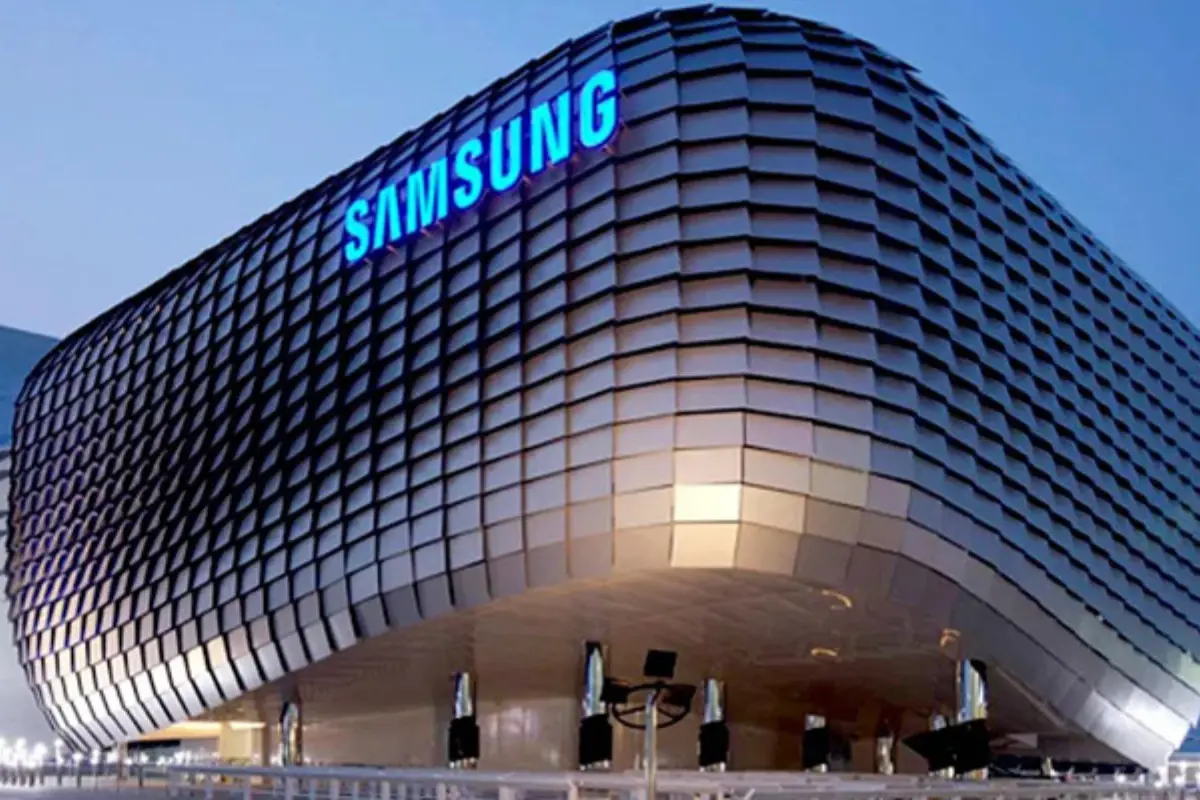
In a strategic move that underscores India’s rising clout in the global tech supply chain, Samsung is contemplating a significant smartphone manufacturing shift to India, aimed at catering to the US market. The decision comes amid growing uncertainty surrounding potential tariff hikes being considered by former US President Donald Trump, who is mounting a return to the White House with strong protectionist rhetoric.
Speaking at the global launch event of the Galaxy Fold7 and Flip7 smartphones, Won-Joon Choi, Samsung’s Global President and COO (Mobile Experience Division), signaled that the company is ready to realign its production strategy to adapt to changing trade dynamics.
“Uncertainty in the US is currently very high, and because of that, we have been preparing for a number of different scenarios. We are ready to produce for the US from multiple factories, including India,” Choi said, underlining the seriousness of the Samsung smartphone manufacturing shift to India.
Currently, Samsung operates one of its largest smartphone plants globally in Greater Noida, Uttar Pradesh, primarily serving domestic demand. However, with new geopolitical and trade challenges looming, the tech behemoth is evaluating the feasibility of transforming this facility into a full-fledged export hub, similar to Apple’s recent expansion strategy in India.
Samsung: Tariff Pressures Accelerate Decision-Making
Samsung’s move mirrors concerns over potential new trade policies from a Trump-led administration, which could slap a 20% tariff on imports from countries like Vietnam, a nation that currently serves as a major export base for Samsung devices headed to the US.
“Depending on the final decision by the Trump administration, we have established a system in which we can shift from one location to another,” Choi noted. “We’re not just thinking reactively—we’re planning proactively to ensure our production remains uninterrupted.”
As the US considers revising its tariff frameworks, India has intensified its lobbying efforts in Washington, seeking duty parity on electronics exports to level the playing field with countries like Vietnam. The growing emphasis on Make in India and the Indian government’s Production Linked Incentive (PLI) schemes have further strengthened the nation’s appeal to global tech giants.
Factory and Supply Chain Readiness in India
According to Choi, Samsung has already taken concrete steps to prepare for the smartphone manufacturing shift to India. This includes setting up the necessary production lines, upgrading equipment, and obtaining factory certifications needed to meet US export standards.
“We’ve ensured that the right equipment is in place, the factory lines are ready, and certification is secured so that we can begin shipping to the US if and when needed,” he confirmed.
Samsung: Apple’s Footsteps, India’s Opportunity
Samsung’s potential reconfiguration follows Apple’s bold strategy of making India a global hub for iPhone production. As geopolitical tensions and trade uncertainties mount, India’s stable policy environment, cost efficiency, and growing skilled labor pool make it an attractive alternative to traditional manufacturing bases like China and Vietnam.
This transition highlights a larger shift in global supply chains—a trend accelerated by the pandemic and compounded by escalating global trade frictions. Companies now view India not just as a vast consumer market, but also as a critical production and export powerhouse.
Rare Earth Strategy Already in Place
On a separate note, when asked about the implications of China’s recent restrictions on rare earth mineral exports—a move that could potentially cripple electronics manufacturing—Choi reassured that Samsung’s risk management strategies are already in place.
“We’ve long diversified our sourcing of rare earth materials. There’s no immediate disruption to our production as we’ve been working with multiple countries and vendors,” he added confidently.
Also Read : Hemandra Hindocha: The Postmaster Who Built Ages of Trust