
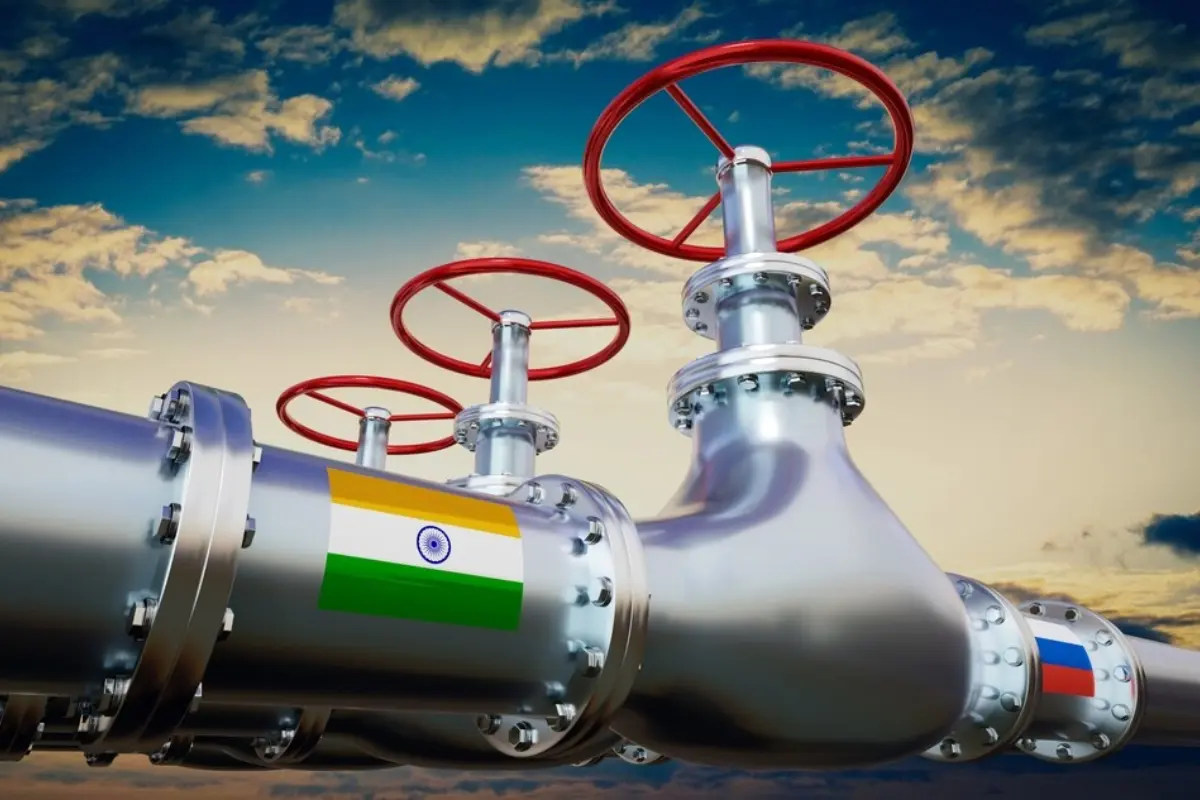
Russian Oil: Can India Sustain Imports Amid US Sanctions?
India’s Russian Oil Lifeline Under Pressure as US Ramps Up Sanctions Threats
India’s Russian oil imports, once a stabilizing force in India’s inflation and energy security narrative, are now at the center of a global geopolitical standoff. After two years of uninterrupted discounted crude flow from Russia to India—thanks to Western sanctions imposed after the Ukraine invasion—India now finds itself in a precarious position.
US President Donald Trump has raised the stakes this week by threatening secondary sanctions on countries that continue purchasing Russian oil unless President Vladimir Putin agrees to a peace deal with Ukraine. Trump’s ultimatum includes a 50-day grace period, after which any country doing oil business with Moscow could face 100% tariffs on exports to the United States.
“We’re very, very unhappy with Russia. And we’re going to be doing very severe tariffs if we don’t have a peace deal in 50 days,” Trump said on Monday, stressing that the sanctions could apply across-the-board, potentially choking India’s trade routes to the US.
Why India’s Russian Oil Imports Mattered So Far
India relies on imports for over 85% of its crude oil needs. Traditionally, West Asian countries were the dominant suppliers, but the global turbulence following Russia’s invasion of Ukraine in 2022 reshaped the energy landscape. As Western nations turned their backs on Moscow, India stepped in, soaking up the discounted Russian oil that flooded the market.
This pivot played a crucial role in keeping domestic inflation under control and supporting a stable growth trajectory. By FY 2024-25, India’s Russian oil imports accounted for 35.1% of India’s total oil import value—up from just 2.1% in FY22. The numbers are staggering: India’s Russian oil imports leapt from $2.2 billion in FY22 to over $50 billion this fiscal.
Trump’s Sanction Threat: Bluff or Real Risk?
Despite Trump’s warning, global oil markets have barely flinched. Brent crude remained steady at around $69 per barrel, signaling scepticism about the enforceability—or seriousness—of the US threat.
Industry insiders suggest that the sanctions rhetoric may be more of a diplomatic ploy than an impending economic reality. Refinery executives told ET that if Trump’s proposal were implemented to the letter, it could push crude prices back above $120, wreaking havoc on the same American households Trump claims to protect from inflation.
“This is about leverage. Trump is using secondary sanctions as a negotiation chip with Russia, not as a real plan to collapse the global energy trade,” said a senior refinery executive.
India’s Calculated Calm
Petroleum and Natural Gas Minister Hardeep Singh Puri appears unfazed. Speaking on Thursday, Puri dismissed the threat as posturing. “I’m not worried at all. If something happens, we’ll deal with it,” he said.
Puri emphasized that energy markets are well supplied, and India is prepared. “Russia is 10% of global production. If you remove that supply, prices could go up to $130. Or, the world cuts back on energy usage—imagine no heating in winter or cooling in summer,” he warned.
He also pointed out the hypocrisy embedded in Western outrage, stating that even European Union countries continue to import Russian oil indirectly. In fact, 18% of the EU’s natural gas imports in 2024 came from Russia, despite public sanctions.
Navigating the Storm: Can India Manage Without Russian Oil?
If the US and NATO go ahead with secondary tariffs targeting India’s exports, the cost-benefit scale could tip unfavourably. Secondary sanctions apply to the whole country, not just the specific entities involved, meaning India’s entire trade economy with the US would come under pressure.
Private refiners like Reliance Industries Ltd and Nayara Energy, who account for nearly half of Indian purchases from Russia, are reportedly already exploring alternate supply routes. While Russian oil remains cheap, the discounts have thinned considerably, reducing the incentive to risk broad-based sanctions.
According to Puri, India has already expanded its oil basket, sourcing from 40 countries, up from 27 just two years ago. Recent data shows a 50% surge in oil imports from the United States and an 80% jump in shipments from Brazil. Indian refiners are also renewing ties with Middle Eastern suppliers, with additional volumes expected from Saudi Arabia, UAE, and Iraq.
“There is enough energy available in the world,” said Puri. “We’ve diversified to ensure we’re not dependent on any one supplier.”
Strategic Choices Ahead
India finds itself at a crossroads. It must weigh the strategic benefits of continued India-Russia oil imports—which provide cost savings and market stability—against the geopolitical and economic consequences of antagonising Washington.
India’s earlier experience with Trump-era oil sanctions on Iran is a sobering reminder. In 2019, India ceased all oil imports from Iran under similar threats. Now, the stakes are higher, given the scale and significance of its trade with Russia.
Should Trump follow through with the secondary tariffs, India may have little choice but to gradually wind down Russian oil purchases. This would likely shift the energy burden to pricier alternatives, increasing costs by $4-5 per barrel. But with a broad supply network and government-backed diversification strategy, India appears equipped to navigate the disruption.
Also Read : Pahalgam Attack: US Declares TRF a Terrorist Organization