
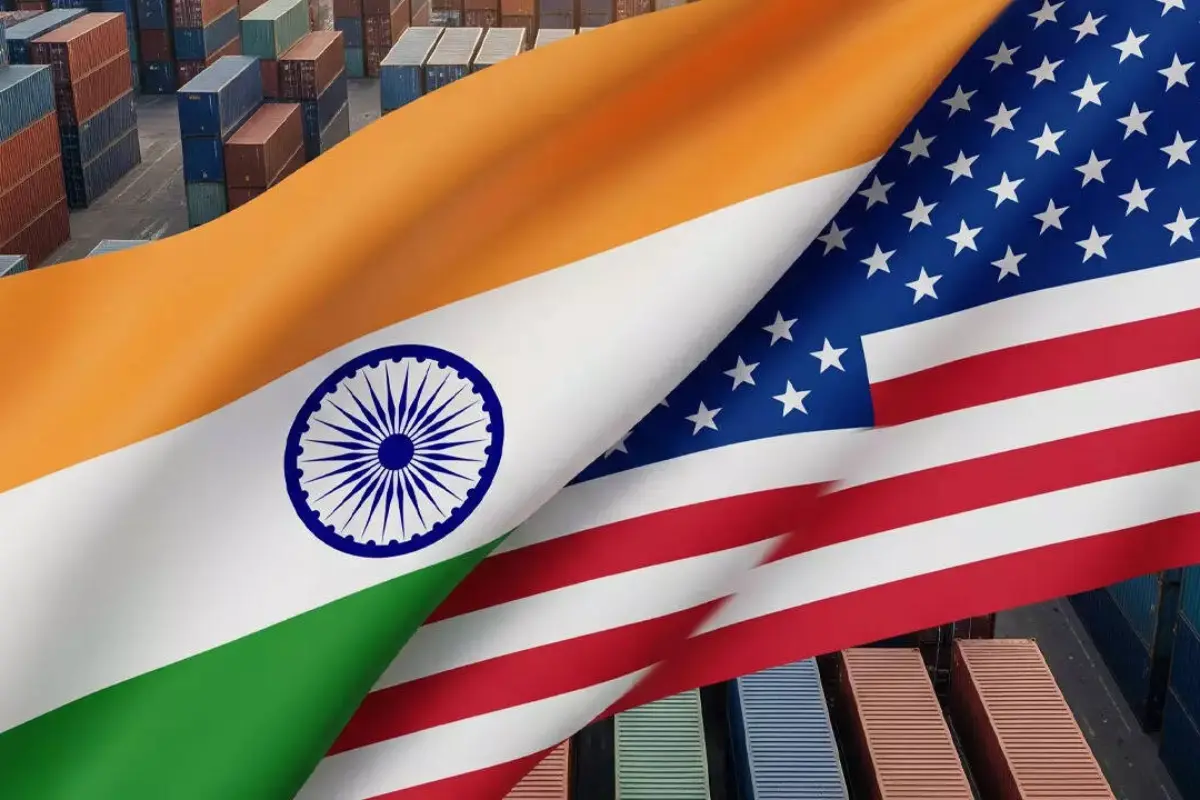
Russia Act: New US Sanctions Bill Targets Russian Oil Buyers
500% Tariffs Loom as Trump Approves Sanctioning Russia Act of 2025
US President Donald Trump has approved a sweeping new sanctions proposal that could dramatically reshape global energy trade and intensify diplomatic pressure on countries continuing to import Russian petroleum products. The legislation, titled the Sanctioning Russia Act of 2025, authorises the United States to impose massive duties—up to 500 percent—on goods and services imported from nations found to be knowingly trading in Russian oil and uranium.
The bill, which is now moving toward bipartisan approval in Congress, is being framed by its sponsors as a powerful economic weapon aimed at choking off revenue streams that sustain Russia’s war effort in Ukraine. However, its reach extends far beyond Moscow, with major energy-importing nations such as India, China and Brazil emerging as potential targets.
Russia Act: What the Bill Proposes
Under the Sanctioning Russia Act of 2025, the US President would be required to sharply increase import duties on countries that continue exchanging Russian-origin petroleum products or uranium if Russia is deemed to be refusing meaningful negotiations toward a peace settlement with Ukraine.
The legislation specifies that tariffs on all goods and services from such countries must rise to at least 500 percent of their value, an unprecedented level that could effectively shut those exports out of the American market.
The punitive measures would also be automatically reactivated if any negotiated peace agreement is violated, if another invasion of Ukraine occurs, or if actions are taken to undermine or overthrow the Ukrainian government.
Graham: ‘Leverage Against Cheap Russian Oil’
US Senator Lindsey Graham, one of the bill’s principal architects, confirmed that President Trump had given the green light following a meeting at the White House. Writing on X, Graham said the legislation had been in development for months alongside Senator Richard Blumenthal and other lawmakers.
He described the bill as a tool designed to penalise countries that benefit from discounted Russian energy supplies. According to Graham, Ukraine has shown willingness to compromise for peace, while Russia has continued military operations without serious engagement.
“This bill will allow President Trump to punish those countries that buy cheap Russian oil fueling Putin’s war machine,” Graham said, adding that the measure would give Washington significant leverage over major economies still reliant on Russian crude.
Russia Act: India in the Crosshairs
The proposed sanctions come at a sensitive moment for India-US relations. Since 2022, India has sharply increased its imports of discounted Russian oil to manage domestic energy costs, a move that Washington has repeatedly criticised as indirectly supporting Moscow’s war effort.
Earlier this week, Graham revealed that India has been actively seeking relief from existing US tariffs imposed over the same issue. He said India’s ambassador to the United States, Vinay Mohan Kwatra, met him last month to emphasise that New Delhi had already reduced its purchases of Russian oil and requested a rollback of additional duties.
In August 2025, the US imposed an extra 25 percent tariff on certain Indian goods, citing India’s continued energy trade with Russia. Combined with earlier levies, total duties on some exports reportedly climbed to 50 percent, placing a significant strain on bilateral trade.
Trump Acknowledges Strained Ties
President Trump has publicly acknowledged that the tariffs have affected his relationship with Prime Minister Narendra Modi. Speaking at a House GOP Member Retreat, Trump said the Indian leader was unhappy with the trade measures but conceded that India had reduced oil imports from Russia.
Trump has repeatedly warned that tariffs could rise further if India does not “help on the Russian oil issue,” explicitly linking trade pressure to the broader Russia-Ukraine conflict.
India, for its part, has rejected claims that Prime Minister Modi ever promised to stop buying Russian oil, clarifying that no such assurance was given during discussions with the US President.