
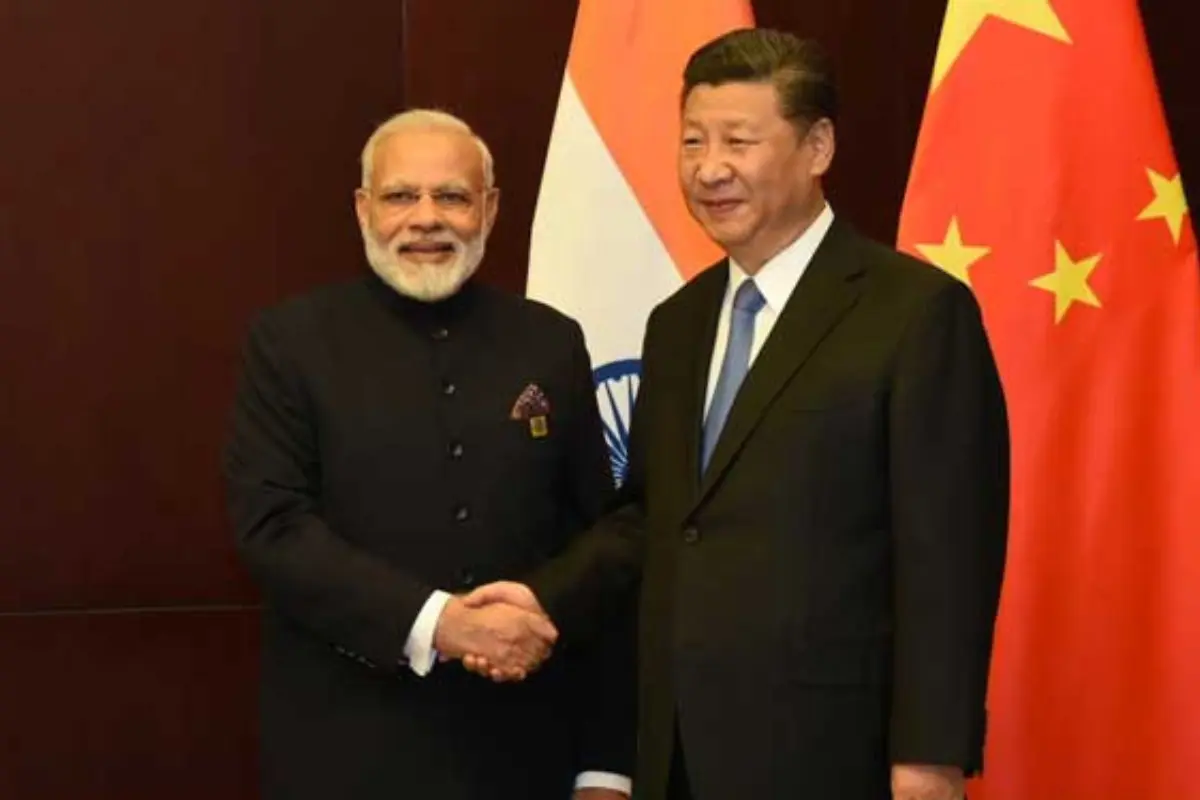
PM Modi Visit to China: Diplomatic Reset or Power Play?
Modi Visit to China 2025: Strategic Dialogue Amid Energy and Economic Warfare
PM Modi: In a significant geopolitical development, Prime Minister Narendra Modi is expected to visit China on August 31, 2025, for the first time since the 2020 Galwan Valley clash that strained bilateral ties. The visit, which will take place during the annual Shanghai Cooperation Organisation (SCO) Summit, comes at a crucial time when India faces mounting trade pressure from the United States.
The Modi visit to China 2025 is being closely watched around the globe—not just as a symbolic gesture of regional reconciliation, but also as a pragmatic move amid intensifying global power rivalries.
PM Modi: From Conflict to Conversation – India-China Reset in Motion
The visit signals a new chapter in the complex India-China relationship. It comes less than a year after Prime Minister Modi and President Xi Jinping held their first formal bilateral meeting in five years at the 2024 BRICS Summit in Kazan, Russia. That encounter laid the groundwork for resolving long-standing border tensions, particularly in the Depsang and Demchok regions of eastern Ladakh.
According to sources within India’s Ministry of External Affairs (MEA), the disengagement agreement reached earlier this year on patrolling arrangements along the Line of Actual Control (LAC) has played a major role in enabling Modi’s renewed outreach to Beijing.
Stretching over 3,488 kilometers from Ladakh to Arunachal Pradesh, the LAC has been a source of repeated military standoffs. With the resolution of flashpoints like Depsang and Demchok, the diplomatic environment is finally conducive for a high-level visit.
US-India Trade War Heats Up Amid China Engagement
While the Modi visit to China 2025 is primarily tied to the SCO Summit, the diplomatic timing couldn’t be more significant. Just days before Modi’s scheduled trip, U.S. President Donald Trump doubled down on his criticism of India’s continued energy trade with Russia.
In an interview with CNBC, Trump lashed out:
“India has not been a good trading partner… They’re buying Russian oil and fueling the Russian war machine.”
Trump announced that the current 25% tariff on Indian imports would be “raised very substantially” within 24 hours—marking the second escalation within a week. The new hike would be over and above the existing tariffs approved on July 31, 2025.
India has responded firmly. In a strongly worded statement, the MEA called the U.S. tariff threats “unjustified and unreasonable,” reiterating that India’s energy purchases are a function of market dynamics, not political allegiance.
PM Modi: India Hits Back at US Double Standards
India’s rebuttal took direct aim at what it called the “hypocrisy” of the West. Citing EU and U.S. trade records, the MEA emphasized that Europe imported a record 16.5 million tonnes of Russian LNG in 2024, while the U.S. continues to purchase Russian uranium and fertilizers.
“India will take all necessary measures to safeguard its national interests and economic security,” the MEA asserted.
This tension spilled into the public eye when, during a White House press conference, a journalist asked President Trump about America’s ongoing trade in Russian resources. Trump’s visibly caught-off-guard response—“I don’t know anything about it. We will have to check.”—only amplified the controversy.
Strategic Alignment: NSA Ajit Doval in Moscow
Further complicating the diplomatic chessboard is the presence of India’s National Security Advisor Ajit Doval in Moscow. Doval is holding talks with Russian officials on defence, energy security, and strategic cooperation.
The timing of his visit suggests coordinated diplomatic signaling. According to reports from Russian news agency TASS, the discussions include “the current escalation of the geopolitical situation” and Russian oil supplies to India.
With India deepening ties with both Russia and China, while facing economic pushback from Washington, analysts believe New Delhi is asserting a more independent, multipolar foreign policy stance.
Also Read : US-India Tariff War: Trump Targets Indian Oil Strategy