
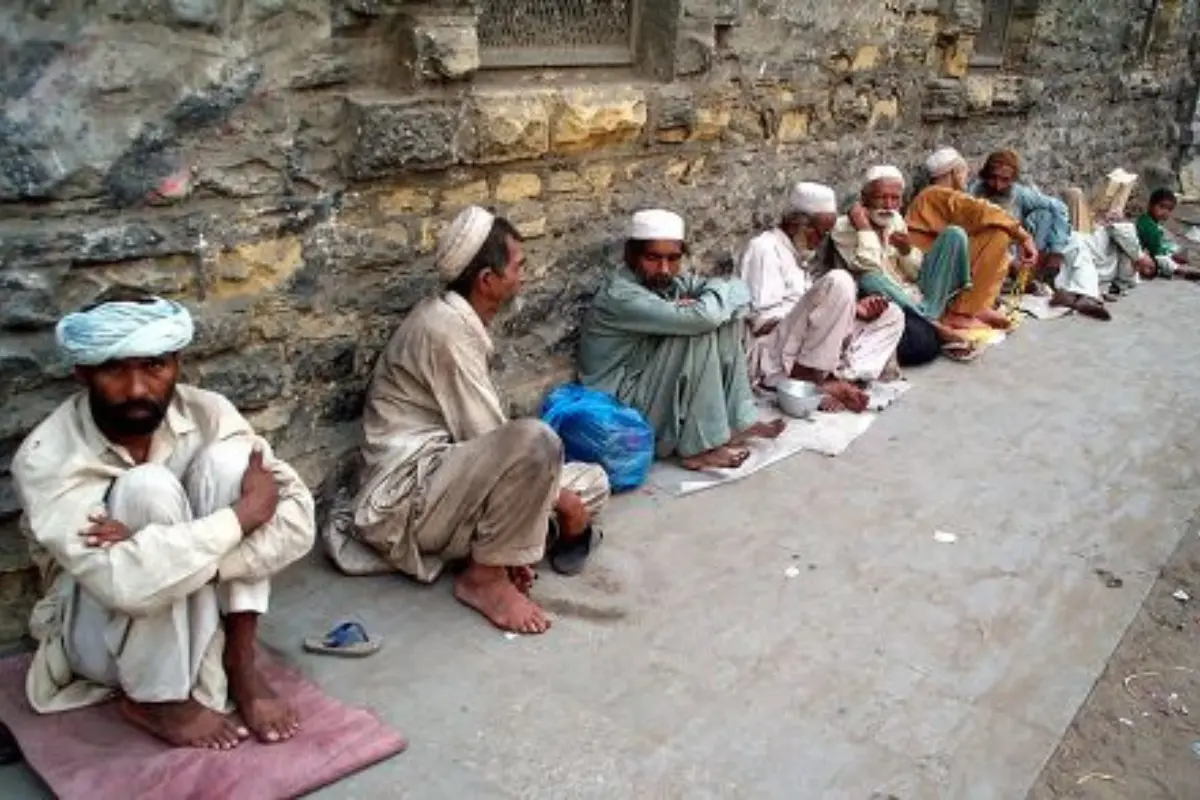
Pakistani Beggars Abroad: Saudi Arabia Deports 56,000
Pakistani Beggars Abroad Prompt Saudi Deportations, UAE Visa Curbs
Despite mounting restrictions, no-fly lists, and repeated warnings from both domestic authorities and foreign governments, thousands of Pakistani citizens continue travelling overseas with the sole intent of begging, triggering deportations, visa suspensions, and growing diplomatic discomfort.
Saudi Arabia has recently deported around 56,000 Pakistanis involved in organised begging, according to figures shared with Pakistan’s National Assembly. The development comes amid intensified efforts by Pakistan’s Federal Investigation Agency (FIA) to stop the export of begging networks that have increasingly tarnished the country’s global image.
In 2025 alone, the FIA offloaded 66,154 passengers at Pakistani airports, preventing them from boarding international flights after identifying links to organised begging rings and illegal migration attempts. The data was disclosed months after Islamabad expanded its Exit Control List (ECL) to include thousands suspected of misusing foreign visas.
Pakistani Beggars: Saudi Crackdown Highlights Scale of the Problem
Saudi Arabia, home to Islam’s holiest cities of Mecca and Medina, has repeatedly raised concerns over Pakistani nationals misusing Umrah and visit visas to beg near mosques, marketplaces, and pilgrimage sites. Last year, Riyadh formally asked Islamabad to curb the practice, warning that unchecked abuse could affect legitimate Pakistani pilgrims.
FIA Director General Riffat Mukhtar confirmed the scale of the issue, stating that tens of thousands of Pakistanis involved in organised begging had been deported from the Kingdom in recent months. Officials say many of these individuals operate as professionals, travelling in groups, coordinating locations, and targeting pilgrims and tourists.
UAE Tightens Visa Rules for Pakistanis
The problem has not been limited to Saudi Arabia. Just last month, the United Arab Emirates sharply curtailed visa issuance for Pakistani citizens, citing rising cases of begging, fraud, and criminal activity. Similar concerns have been raised by Kuwait, Bahrain, Azerbaijan, and other West Asian countries.
According to Pakistan’s Secretary of Overseas Pakistanis, up to 90% of beggars detained in several West Asian nations have been Pakistani nationals, a statistic that has alarmed both host governments and Pakistani policymakers.
Pakistani Beggars: Reputation Damage and Collateral Impact
Officials warn that the surge in Pakistani beggars abroad is now rebounding on law-abiding citizens, including workers, students, and genuine pilgrims. Visa scrutiny has tightened, processing times have increased, and rejection rates have climbed sharply.
Saudi Arabia’s Ministry of Religious Affairs cautioned in 2024 that if the situation was not controlled, it could directly affect Pakistani participation in Hajj and Umrah. The warning reflected growing frustration among authorities and pilgrims alike.
Public sentiment has also been vocal. After returning from Umrah, an Islamabad resident wrote on social media that he felt “ashamed” witnessing Pakistani beggars soliciting money inside shops, on streets, and even during religious rituals.
Organised Networks, Not Isolated Poverty
Experts stress that the issue goes beyond poverty. Legal analyst Rafia Zakaria, writing previously, described the phenomenon as a systematic operation, with individuals exploiting religious sentiment and guilt near holy sites to extract money from foreign pilgrims.
“These are not desperate individuals,” she noted, but “master manipulators” who plan travel, secure visas, and operate in structured networks.