
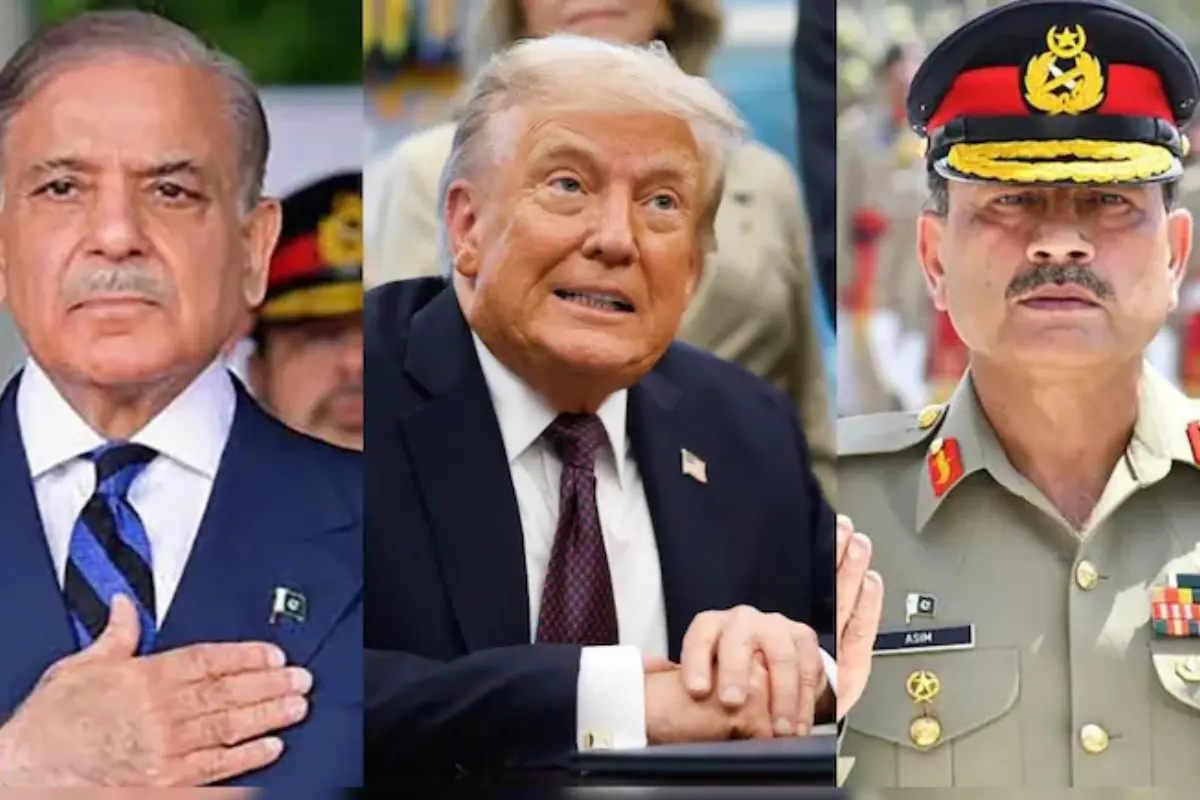
Pakistan Opposition Slams Leadership After India-US Trade
India Secures Lower US Tariffs as Pakistan Faces Domestic Criticism After Trade Agreement
The newly finalised India-US Trade Agreement Tariffs arrangement has ignited sharp political reactions across Pakistan, where critics argue that months of high-profile engagement with Washington delivered little strategic gain. While New Delhi secured relatively lower tariff terms and presented the agreement as a sign of economic confidence, voices in Islamabad are questioning whether their country’s diplomatic approach has fallen short in an increasingly competitive global trade environment.
Announced on February 2, the agreement sets United States tariffs on Indian exports at 18 per cent. Pakistan, meanwhile, faces a slightly higher rate of 19 per cent, a difference that has taken on outsized political significance in the region. The tariff contrast has fuelled debates not just about trade, but about strategy, leverage and national image in international negotiations.
Pakistan: Diplomatic Optics and Political Messaging
The rollout of the India-US Trade Agreement Tariffs deal was accompanied by highly visible public messaging from Washington. Social media posts shared by US President Donald Trump included images of India Gate and a magazine cover featuring Prime Minister Narendra Modi alongside him. Shortly afterwards, details of the reduced tariff rate for Indian goods were revealed.
Across the border, the symbolism sparked intense scrutiny. Many commentators in Pakistan argued that India secured a more favourable deal despite what they described as a less personalised diplomatic style. Critics contrasted this with Pakistan’s recent outreach efforts, which included public praise for Trump and initiatives aimed at strengthening personal ties with US leadership.
Social Media Reactions Reflect Public Sentiment
The political debate quickly spilt onto social media platforms. One widely shared post from a Pakistan-based user used satire and sharp imagery to express frustration over the outcome. The post, combining sarcasm with political commentary, reflected a broader wave of online criticism questioning Islamabad’s negotiating approach.
Such reactions illustrate how economic policy decisions increasingly play out in the digital arena, where public perception and political narratives often shape national discourse as much as the technical details of trade agreements.
Pakistan: Opposition Leaders Criticise Strategy
Opposition figures within Pakistan have framed the India-US Trade Agreement Tariffs outcome as evidence of a deeper strategic problem. Former Pakistan Tehreek-e-Insaf (PTI) minister Hammad Azhar argued that modern foreign policy is driven by economic strength rather than personal relationships or diplomatic theatrics. In public remarks, he pointed to India’s recent agreements with both the European Union and the United States as examples of negotiations grounded in market leverage.
PTI leaders also claimed that India approached negotiations from a position of “strategic autonomy,” relying on its economic scale and diversified trade relationships. They suggested Pakistan’s leadership focused too heavily on cultivating personal rapport with Washington, only to secure a less favourable tariff rate.
Journalists Highlight Broader Economic Concerns
Several Pakistani journalists and commentators linked the tariff disparity to the country’s broader economic challenges. Asad Toor noted that declining exports and reduced foreign investment have weakened Pakistan’s bargaining power in global trade talks. According to critics, the higher tariff rate reflects structural economic realities rather than isolated diplomatic missteps.
Another journalist, Imran Riaz Khan, criticised what he described as a “salesman-style” lobbying strategy, arguing that symbolic gestures cannot substitute for economic strength or negotiating leverage. Digital creator Wajahat Khan echoed similar sentiments, suggesting that countries perceived as equal partners in trade negotiations are more likely to secure favourable outcomes.
India’s Trade Momentum Gains Global Attention
While Pakistan grapples with domestic criticism, India’s broader trade strategy has gained international attention. Recent agreements with both the European Union and the United States are being described by analysts as part of a long-term effort to position India as a central hub in global supply chains. Economic projections suggest these deals could contribute up to US$150 billion in additional exports over the next decade.
Supporters of the India-US Trade Agreement Tariffs arrangement argue that New Delhi’s consistent focus on market access, diversified partnerships and manufacturing expansion has strengthened its negotiating hand. Government officials in India have portrayed the agreement as evidence that the country can balance assertive diplomacy with pragmatic economic goals.