
New Chinese Visas to Poach US Talent, House Democrat Warns
New Chinese Visas Emerged as a Magnet for Disillusioned U.S. Tech Workers
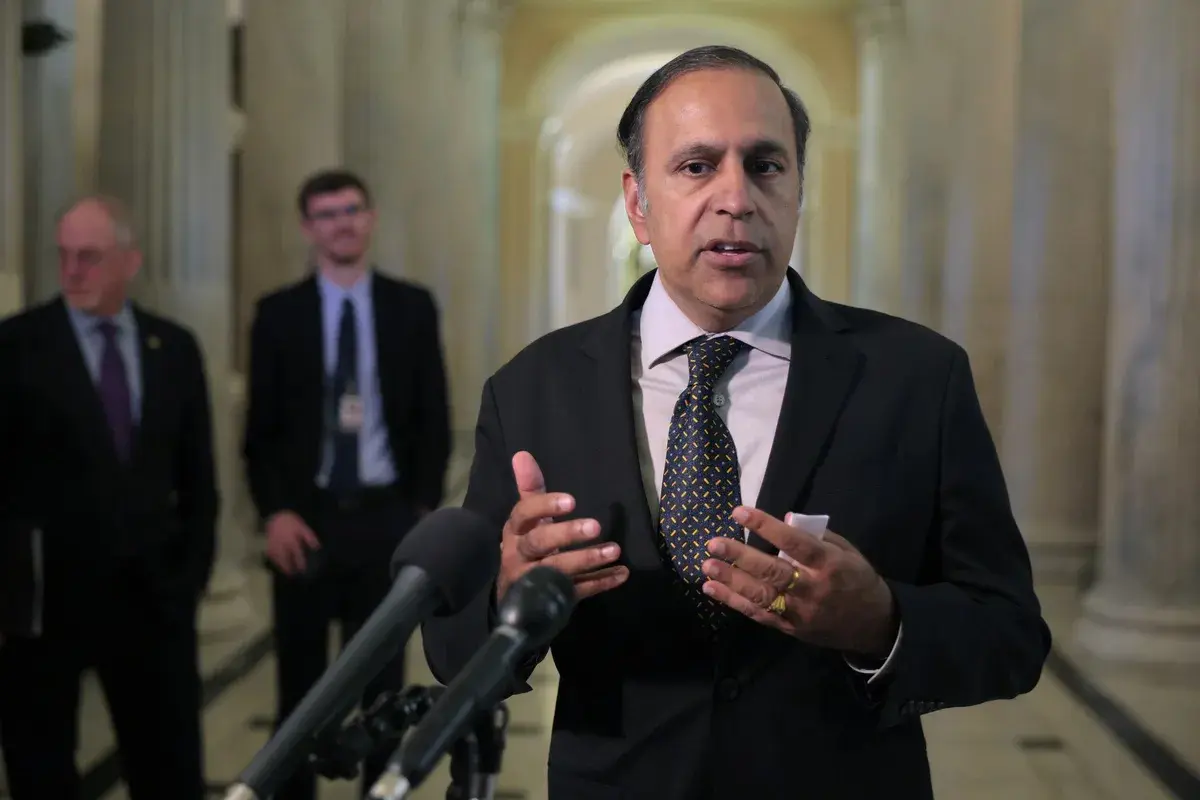
New Chinese Visas: In a dramatic shift in global talent mobility, China’s revamped visa program is positioning Beijing as a new destination for technology professionals just as the United States tightens its own immigration rules. The development has drawn sharp criticism from Representative Raja Krishnamoorthi, the top Democrat on the House Select Committee on China, who warns that the Trump administration’s new visa restrictions could endanger America’s edge in innovation and research.
Krishnamoorthi, in a letter addressed to Secretary of State Marco Rubio, Homeland Security Secretary Kristi Noem, and Labor Secretary Lori Chavez-DeRemer, expressed grave concerns that rising costs and restrictions in U.S. visa programs are undermining economic competitiveness. The letter, reviewed by Bloomberg News, was sent Tuesday evening and calls for an urgent review of the administration’s recent immigration measures.
New Chinese Visas: A Tale of Two Strategies: Restriction vs. Attraction
While the Trump administration moves forward with plans to impose a $100,000 fee on new H-1B skilled worker applications and limit foreign graduate students to a four-year study cap, Beijing is taking the opposite approach. Earlier this month, China’s new K visa officially went into effect, offering unprecedented flexibility and opportunity to global science and technology graduates.
Unlike traditional visa systems that require sponsorship or job offers, the K visa allows young tech professionals to move to China without pre-arranged employment, giving them freedom to explore, innovate, and shift between jobs with ease. This open-door policy has been interpreted by many experts as a deliberate attempt by China to fill talent gaps in high-tech industries while positioning itself as a global innovation hub.
Krishnamoorthi cautioned that as America disincentivizes the H-1B and tightens pathways for advanced degree holders, China’s revamped visa program is poised to become a “powerful magnet for global talent.”
Potential Fallout Across Key Industries
The implications of these contrasting policies could ripple across multiple sectors. According to Krishnamoorthi’s letter, research-intensive industries such as semiconductors, biotechnology, and healthcare may face immediate risks of losing their skilled workforce to China.
Rural healthcare, already burdened by physician shortages, could also suffer as changes to J visas for exchange visitors make it harder for international doctors to serve in underserved communities. Additionally, the skyrocketing H-1B fees may stifle America’s startup ecosystem, limiting innovation and entrepreneurship at a time when the global economy is increasingly driven by talent mobility.
New Chinese Visas: White House and Beijing Respond
Responding to growing criticism, White House spokeswoman Taylor Rogers defended the Trump administration’s immigration reforms, arguing that the policy ensures fairness and prevents companies from “spamming the system” with excessive visa applications that depress American wages. She maintained that genuine businesses seeking highly skilled workers would still have predictable pathways to bring talent into the country.
Meanwhile, Chinese Embassy spokesperson Liu Pengyu emphasized that China’s visa overhaul is not aimed at any specific nation. “The cross-border flow of talents is instrumental in global technological and economic advancement,” Liu stated, dismissing U.S. concerns as “groundless.”
Legal Pushback and Business Alarm
Krishnamoorthi’s warning comes amid growing resistance from U.S. industry leaders. The U.S. Chamber of Commerce has already filed a lawsuit against the Trump administration, challenging the new H-1B rules. Moreover, a coalition of over a dozen influential business groups — including chipmakers, software giants, and major retailers — has urged President Trump to reconsider the visa restrictions, citing risks to the country’s long-term competitiveness.
These organizations argue that in an era where artificial intelligence, semiconductors, and biotechnology dominate economic growth, restricting access to foreign expertise could set the U.S. back by decades.
Beijing’s Global Talent Play
Analysts view China’s revamped visa program as part of a calculated strategy to accelerate its rise as a global innovation leader. By eliminating barriers for young professionals and offering a supportive environment for science and technology advancement, China aims to attract individuals who might otherwise contribute to Silicon Valley or U.S. research institutions.
Krishnamoorthi called Beijing’s move “a likely deliberate effort to poach global talent,” and urged U.S. officials to assess the long-term economic consequences of their immigration decisions. He also pressed for details on whether the administration has evaluated the impact of China’s K visa or developed any measures to safeguard U.S.-trained talent from being recruited through the new program.
Also Read : Surbhi Rathore: AI Visionary & Advocate for Women in Tech