
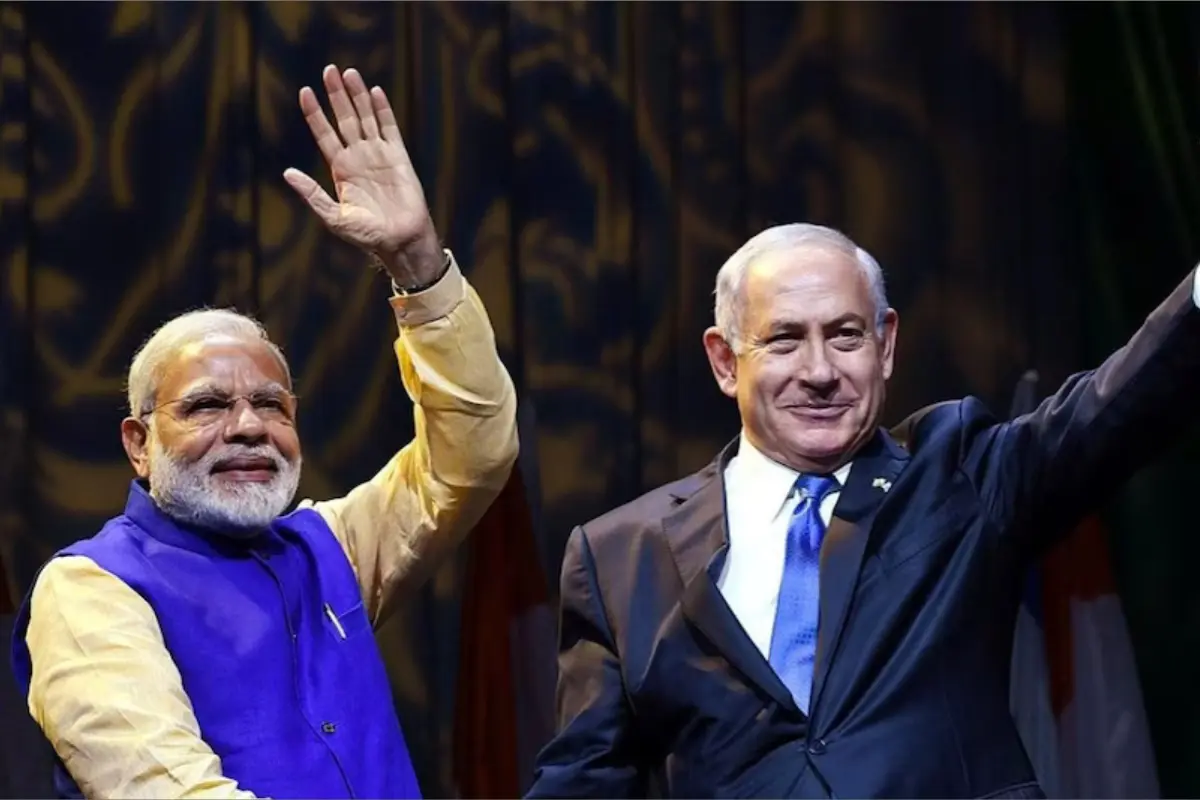
Netanyahu Highlights PM Modi’s Israel Visit Ahead of Talks
Netanyahu Highlights PM Modi Israel Visit, Calls India-Israel Alliance a Pillar of Stability
In a significant diplomatic signal ahead of a high-profile engagement, Benjamin Netanyahu on Monday underscored the importance of the upcoming visit of Narendra Modi, describing it as a historic moment in strengthening the strategic partnership between Israel and India.
Speaking at the opening of the weekly Cabinet meeting, Netanyahu framed the visit not merely as a bilateral exchange, but as part of a broader geopolitical alignment centered on stability, technological advancement, and shared democratic values. The remarks come as diplomatic activity intensifies across West Asia, with shifting alliances and new multilateral initiatives reshaping the regional landscape.
Netanyahu: A Strategic Bond Beyond Bilateralism
In a post shared on X, Netanyahu referred to Modi as a “dear friend” and said the upcoming visit would reaffirm what he termed a “powerful alliance between two global leaders.” He emphasized that the relationship between Jerusalem and New Delhi extends far beyond ceremonial diplomacy.
“The bond between Israel and India is a powerful alliance between two global leaders,” Netanyahu wrote, adding that the two countries are “partners in innovation, security, and a shared strategic vision.” He described the partnership as forming “an axis of nations committed to stability and progress.”
The phrase — now central to headlines as Netanyahu highlights PM Modi’s Israel visit — reflects Israel’s view of India as not only a key Asian partner but also as an emerging pillar in a wider network of global cooperation.
Expanding Cooperation: From AI to Regional Security
Netanyahu noted that the partnership between Israel and India continues to expand across multiple sectors, including artificial intelligence, cybersecurity, defense technology, agriculture, water management, and regional security coordination.
Over the past decade, India-Israel ties have transformed from discreet defense cooperation into an open and multifaceted strategic partnership. Joint innovation platforms, startup collaborations, and defense procurement agreements have deepened trust between the two nations.
With India rapidly advancing in digital governance and AI ecosystems, and Israel widely recognized as a global technology hub, both governments view collaboration in emerging technologies as a cornerstone of future growth.
Netanyahu: Diplomatic Architecture: The “Hexagon” Vision
Beyond bilateral engagement, Netanyahu outlined a broader diplomatic concept — a “hexagon” of partnerships. According to the Israeli prime minister, the envisioned framework would link India with Arab and African nations, Mediterranean countries such as Greece and Cyprus, along with select Asian states.
He said the structure would create a network of aligned nations focused on economic resilience, security cooperation, and regional stability. Netanyahu indicated that he plans to present the framework in a more detailed and structured manner in the near future.
Observers see India’s participation as central to the concept, given its growing influence across West Asia and Africa and its expanding diplomatic footprint in the Mediterranean corridor.
Modi’s Second Visit to Israel
This visit will mark Prime Minister Modi’s second trip to Israel, following his landmark 2017 visit — the first ever by an Indian prime minister. That visit symbolized a turning point, openly acknowledging a relationship that had steadily deepened since the establishment of full diplomatic ties in 1992.
The 2017 trip laid the groundwork for intensified defense cooperation, innovation partnerships, and high-level political exchanges. Since then, both leaders have maintained regular contact, reinforcing personal rapport alongside institutional collaboration.
As Netanyahu highlights PM Modi’s visit once again, the symbolism of continuity and strategic trust is unmistakable.
Broader Geopolitical Context: The Board of Peace Initiative
The visit also unfolds amid new diplomatic developments connected to the “Board of Peace” meeting held on February 19. The initiative traces its origins to a 20-point Gaza ceasefire proposal put forward by former U.S. President Donald Trump, which received endorsement from the UN Security Council.
Officials associated with the initiative have stated that approximately 35 countries have committed to joining, with around 60 invited to participate. Trump has suggested that the body could eventually assume certain functions currently carried out by the United Nations, potentially reshaping elements of global governance.