
Malaysian Migrant Detention Deaths Surge Past 300 since 2020
Malaysian Migrant Detention Deaths Highlight Brutal Conditions Amid Nationwide Immigration Crackdown
Malaysian Migrant Detention: A growing humanitarian crisis is unfolding in Malaysia as more than 300 migrants without legal status have died in government custody since 2020, prompting urgent appeals from rights groups for transparency, accountability and reform. The mounting toll—rarely acknowledged publicly—has reopened difficult questions about how vulnerable individuals fleeing war, persecution and poverty are treated inside Malaysian detention facilities.
One of the most recent victims, 32-year-old Ben Za Min from Myanmar’s Chin State, never made it out alive. He had escaped the violence that erupted following Myanmar’s 2021 military coup and was waiting for a decision on his refugee application while working in Malaysia’s construction sector. But in late September, after an immigration raid in northern Malaysia, his story ended like hundreds before him—inside a detention centre.
Malaysian Migrant Detention: A Preventable Death Raises Hard Questions
According to his family, what began as a minor cut on Ben’s lower leg deteriorated rapidly after infection set in. He was transferred to a hospital once, only to be sent back to detention. By the time he was readmitted, the infection had turned septic. He died soon after.
His sister, Lin, believes the outcome could have been different.
“I think they dismissed him as someone without documentation and treated him with no respect,” she said.
Malaysia’s Home Affairs Ministry has yet to respond to queries about the circumstances of his death—or the broader pattern of Malaysian migrant detention deaths that continues to spark international concern.
A ‘Year of Enforcement’ Intensifies Immigration Raids
Malaysia’s immigration crackdown has sharpened significantly throughout 2025. Declaring the year as a “Year of Enforcement”, authorities have doubled down on raids across workplaces, construction zones, urban settlements and known migrant hubs.
Home Minister Saifuddin Nasution Ismail announced earlier this year that authorities “will not compromise” on undocumented migration. Arrests have surged to nearly 7,000 migrants every month, according to monitoring organisation Fortify Rights—more than twice the monthly average of recent years.
Unlike many countries, Malaysia does not offer formal political asylum. Undocumented individuals can remain only if recognised as refugees by the UNHCR. Yet activists say even registered refugees—people who fled genocide, civil war, or political persecution—are increasingly being swept up in raids.
More than 211,000 refugees, the majority from Myanmar, are currently registered with UNHCR in Malaysia.
Malaysian Migrant Detention: Claims of Overcrowding, Neglect and Prolonged Detention
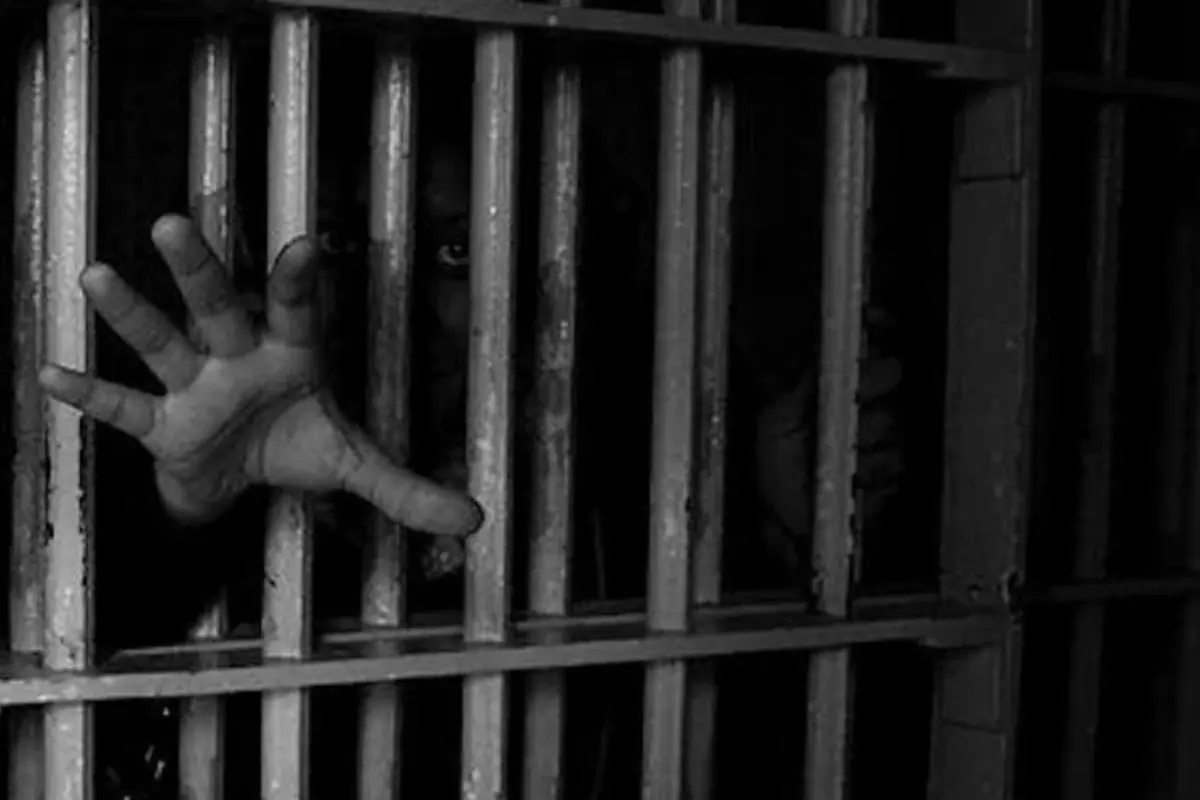
Human rights advocates paint a dire picture of the country’s detention facilities. Reports point to cramped cells, unsanitary conditions, insufficient food, and routine medical neglect.
“Detainees face severe torture, both physical and psychological,” said Yap Lay Sheng of Fortify Rights.
“Many are held for prolonged periods in overcrowded facilities with filthy sanitation, poor ventilation, inadequate access to clean water, food and medical care.”
Many detainees are Rohingya Muslims, among the most persecuted groups in the world. Stateless and unable to return to Myanmar, some are held indefinitely—caught in a legal vacuum without clarity on their future.
Malaysia’s Immigration Department denies the allegations, insisting that its 20 detention centres operate at about 90% capacity. Officials say many detainees remain in custody due to the lack of travel documents or because their home countries refuse to repatriate them.
Limited Access Raises Transparency Concerns
Since 2019, the UNHCR has been mostly barred from entering Malaysian detention centres. The restriction has made it harder to identify refugees, track health conditions, or verify reports of mistreatment. Immigration authorities maintain that access is granted through an application process, pointing to two supervised visits last year—but advocates say these visits provide only a narrow snapshot.
Families and Advocates Demand Accountability
For families like Ben Za Min’s, the grief is compounded by unanswered questions. Relatives in Myanmar say they still do not know when his injury occurred or whether proper treatment was provided. Hospital records list his cause of death as septic shock.
Human rights defenders say his case is far from isolated.
“It’s a very inhumane policy to lock up people who should be getting refugee status,” said Ramachelvam Manimuthu, president of Malaysia’s National Human Rights Society.
“There are heartbreaking stories: people who are sick in detention centres, people who have died in detention centres.”