
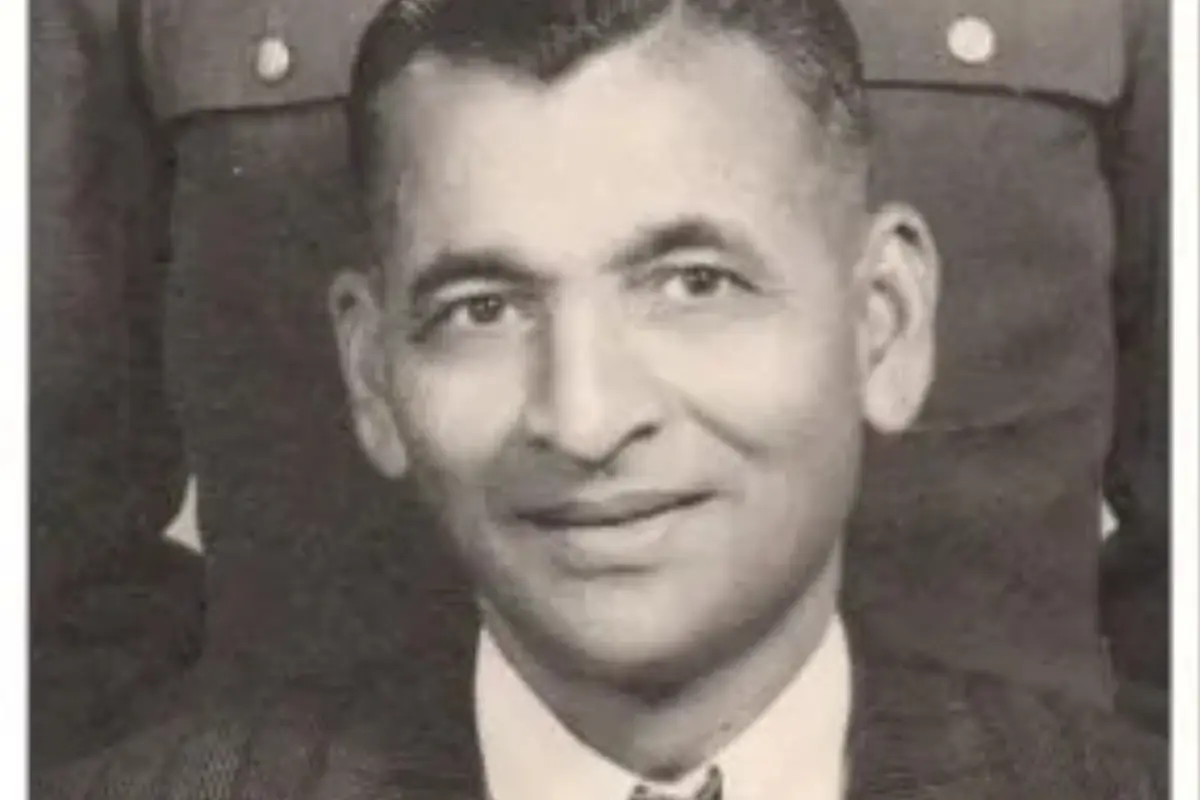
The United States has long been known as the land where dreams turn into reality. For centuries, countless people have crossed oceans to chase opportunity and build a new life on its shores. Among them was Kanji Manchhu Desai, a humble man from a small village in Gujarat, India, who arrived in America with nothing but grit, courage, and a relentless desire to succeed.
His journey from penniless farmworker to pioneering motel owner laid the very foundation for what would become a billion-dollar empire owned largely by Gujarati Indians in the United States.
This is not just a tale of personal triumph—it is a legacy of vision, perseverance, and community-building that continues to inspire generations of entrepreneurs.
Early Life of Kanji Manchhu Desai: From Digas to Distant Dreams
Kanji Manchhu Desai was born in Digas, a modest village near Surat in Gujarat. Growing up in pre-independence India, he witnessed first-hand the economic hardships and limited opportunities that bound rural families to poverty. But he carried in his heart a dream much bigger than his village.
In the 1930s, when most of his peers were resigned to local farming or trade, Desai dared to think beyond borders. He left India and embarked on a daring journey across the world, traveling through Trinidad, Panama, and Honduras. Along the way, he sold household goods, took up odd jobs, and survived on meager wages. In 1942, driven by sheer determination, he crossed into United States via the Mexico border—an undocumented immigrant with only ambition to his name.
Struggles on American Soil
Life in America was anything but easy. In the fertile fields of California’s San Joaquin Valley, Desai worked as a fruit picker, often earning just $1–2 a day. Language barriers, cultural isolation, and the fear of deportation shadowed his every move. Yet, he endured.
While others saw despair, Desai saw preparation. He quietly saved every penny, lived frugally, and dreamed of a day when he would build something lasting—not just for himself, but for others who would follow in his footsteps.
A Turning Point: The First Patel Motel
History changed for Desai—and for thousands after him—in 1942 during World War II. After the Attack on Pearl Harbor, Japanese Americans were sent to internment camps, forced to abandon their businesses overnight.
One Japanese-American innkeeper in Sacramento, California, had to give up her 32-room single-room occupancy (SRO) hotel. Seizing this rare opportunity, Desai joined hands with two fellow Gujarati farmworkers, Nanalal Patel and D. Lal (also known as Bhikhu Bhakta). They pooled their meager savings—$350 for the down payment and $75 monthly rent—and leased the property.
That humble SRO, later called the Ford Hotel, became the first motel in the United States owned by Patels. They lived on-site, managed every task themselves, fired outside staff to cut costs, and used family labor to run the business efficiently. It was the spark that would ignite an empire.
Building a Legacy in San Francisco
By 1947, Kanji Manchhu Desai had set his eyes on bigger opportunities. He moved to San Francisco and acquired the lease of the Goldfield Hotel from a Japanese woman affected by wartime losses. This bold move marked the beginning of his real legacy.
As the Goldfield flourished, Desai began encouraging other Gujaratis to enter the motel industry. He famously declared, “If you are a Patel, lease a hotel.” And he meant it. He offered informal “handshake loans”—no paperwork, no collateral—trusting his community members to repay when they could.
Between 1947 and 1955, he helped over 30 Gujaratis secure their first leases, housing them in his own SRO rooms until they could stand on their feet. What began as one man’s hustle became a collective movement.
The Ripple Effect: Birth of a Community Empire
Desai’s strategy was simple yet revolutionary:
-
Family-run operations: Families lived in the motels, reducing labor costs.
-
Frugality: Every cent saved was reinvested.
-
Mutual support: Knowledge, resources, and opportunities were shared.
As post-war America boomed, Gujarati motel ownership exploded. When the Immigration and Nationality Act of 1965 lifted barriers, Desai’s network sponsored relatives and friends from India, accelerating what scholars now call “chain migration entrepreneurship.”
By the 1980s, Patels dominated the U.S. motel sector. Today, according to the Asian American Hotel Owners Association (AAHOA), Indian Americans—mostly from the Patel community—own over 22,000 hotels and motels across America, controlling more than 50% of the market and generating an estimated $40–60 billion annually.
And it all began with Kanji Manchhu Desai’s daring leap.
Celebrated as the “Indian Columbus”
Historians and business scholars often refer to Desai as the “Indian Columbus”—the man who charted a new route for his people across oceans and industries. Books like Surat to San Francisco: How the Patels Cornered the Hotel Business by Mahendra K. Doshi chronicle his contributions, highlighting his instrumental role in shaping one of the most successful immigrant business communities in U.S. history.
Also Read : Sushila Karki: Nepal PM, Pledges Warmth in India-Nepal Ties