
Jaishankar: India-US Trade Relations Strained but Not Broken
S Jaishankar: India-US Trade Relations Must Respect New Delhi’s Red Lines
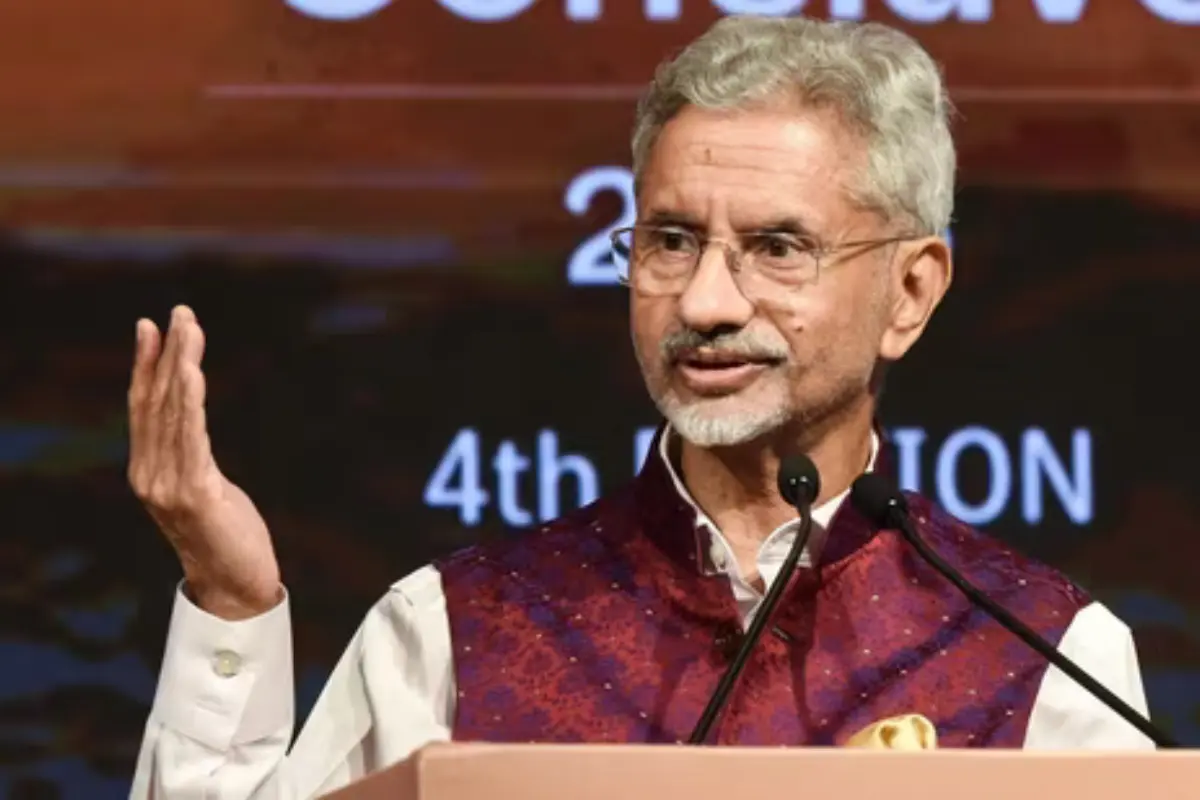
External Affairs Minister S. Jaishankar has underscored that while the United States remains the world’s largest market and a critical partner, India-US trade relations must be built on terms that respect India’s core interests and “red lines.” Speaking at the Kautilya Economic Enclave on Sunday during a session themed “Shaping Foreign Policy in Turbulent Times”, Jaishankar offered candid insights into the state of bilateral ties, ongoing trade negotiations, and the broader strategic shifts reshaping global politics.
Jaishankar: Trade as the Central Sticking Point
Jaishankar acknowledged that many of the current strains in India-US trade relations stem from the inability to conclude a mutually acceptable trade deal. He pointed to the continuation of tariffs, including a 25% levy dating back to the Trump administration, and criticized punitive measures linked to India’s energy imports from Russia.
“We have today issues with the United States. A big part of it is the fact that we have not arrived at a landing ground for our trade discussions,” Jaishankar said. He added that while differences exist, they should not overshadow the larger relationship, which he described as “business as usual” in many areas.
Red Lines and Bottom Lines
The minister made it clear that while India is open to compromise, its sovereignty and strategic interests remain non-negotiable. “Whatever happens at the end of the day, there has got to be a trade understanding with the US… But it has to be an understanding where our bottom lines, our red lines are respected,” Jaishankar emphasized.
The negotiations, which resumed earlier this year after a thaw in ties following a conversation between Prime Minister Narendra Modi and then-President Donald Trump, have yet to deliver a breakthrough. Whether the first tranche of a deal can be finalized in the coming months remains uncertain.
Jaishankar: Strains but Not a Breakdown
Jaishankar was careful to frame the issues in context, warning against exaggerating the strains in India-US trade relations. “There are problems, there are issues, nobody is in denial of it. Those issues need to be negotiated and resolved,” he said. “But I would really hesitate to read very much more into it than the issues themselves.”
He further noted that in many spheres—defense cooperation, technology partnerships, and people-to-people ties—the relationship is thriving.
Navigating Global Turbulence
Jaishankar’s remarks also addressed the broader backdrop of shifting global dynamics. He spoke of the concentration of global manufacturing in a single country—an indirect reference to China—and the vulnerabilities this has created for supply chains. He also highlighted the changing nature of energy markets, with the US becoming a major exporter, while China has surged ahead in renewables.
“By every metric of measuring the global economy or assessing the state of the world, we are going through an extraordinary and intense period of change,” Jaishankar said, pointing to the rise of sanctions, the race for critical minerals, and the growing influence of big tech on global data flows.
He warned that the nature of warfare is also shifting, with conflicts in Ukraine, Armenia-Azerbaijan, and the Middle East showing that “contactless wars” using standoff weapons can have decisive outcomes.
India’s Strategic Challenge
For India, Jaishankar stressed, the challenge lies not just in defending its existing position but in leveraging these turbulent times to rise further on the global stage. “For us, just defending what we have is simply not good enough. We have to absorb these risks but also find a way of continuing with our rise,” he concluded.
Also Read : Neela Montgomery: A Visionary in Retail, Healthcare & Tech