
Jaishankar Says India-US Trade Deal Almost Ready
India-US Trade Deal Nears Finalisation as Jaishankar Signals New Strategic Phase
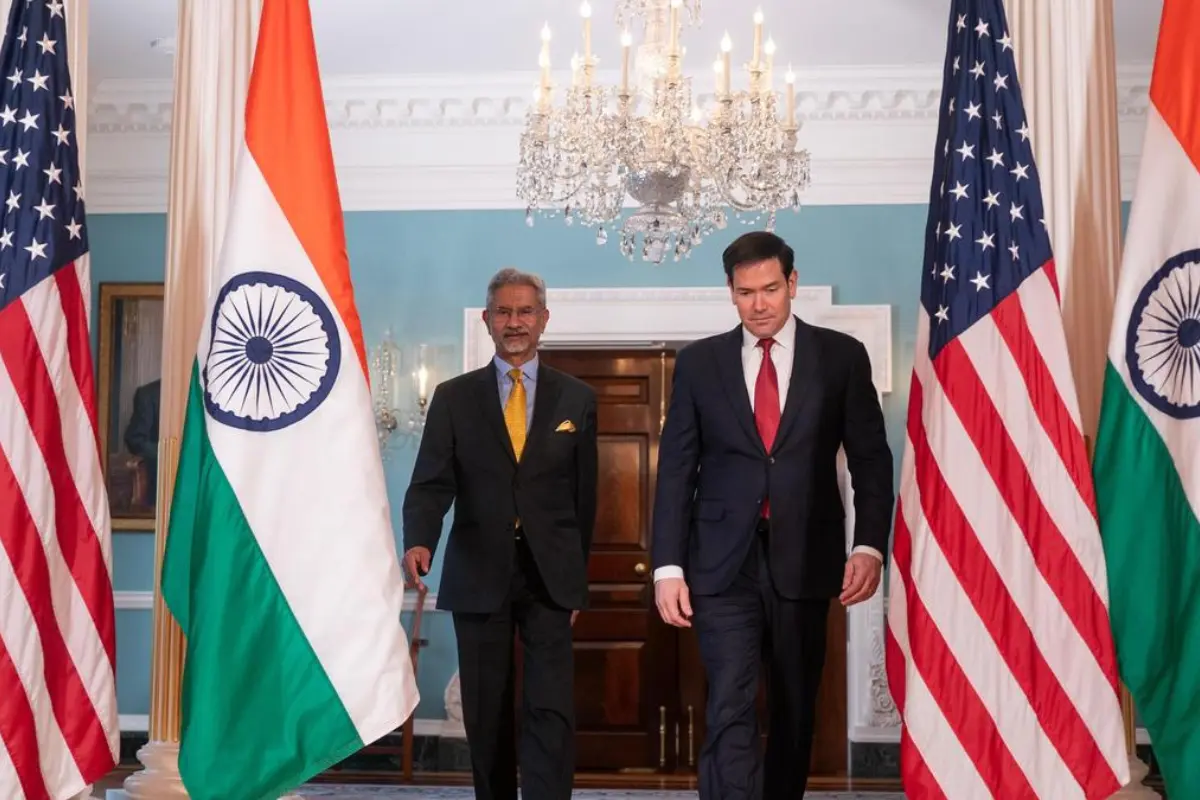
The much-anticipated India-US Trade Deal 2026 has entered its final phase of detailing and is expected to be concluded “very soon,” External Affairs Minister S. Jaishankar said after extensive discussions with U.S. Secretary of State Marco Rubio in Washington DC. The announcement signals renewed momentum in bilateral ties that had been strained by tariff disputes, energy disagreements and shifting geopolitical expectations.
Jaishankar described his U.S. visit as “productive” and “positive,” emphasising that the emerging agreement would open a “new phase” in relations between the world’s largest democracies. His remarks come just days after U.S. President Donald Trump revealed that tariffs on Indian goods would be reduced dramatically to 18% from a steep 50%, a move widely viewed as a breakthrough in months of tense negotiations.
Jaishankar: Tariff Cuts Offer Relief, but Details Remain Limited
While the confirmation of tariff reductions has generated optimism among exporters and policymakers in New Delhi, many specifics of the India-US Trade Deal 2026 remain under wraps. Notably, Washington is expected to remove an additional 25% levy imposed over India’s Russian energy purchases, a penalty that had significantly complicated trade flows and strained diplomatic dialogue.
Government sources say negotiators are now focused on technical details, compliance mechanisms and sector-specific concessions. Analysts note that clarity on digital trade, intellectual property protections and agricultural access will be key to understanding the deal’s long-term economic impact.
Despite the lack of granular disclosures, Jaishankar highlighted the broader strategic direction, noting rapid progress in critical minerals cooperation, defence engagement and energy partnerships.
Trade Deal Seen as Reset After Months of Friction
Relations between New Delhi and Washington had entered a difficult phase after the U.S. doubled tariffs on Indian goods last year and introduced additional duties linked to India’s energy imports from Russia. Diplomatic tensions were further heightened by disagreements over immigration policies and controversial claims by President Trump regarding regional conflicts.
The tariff rollback under the India-US Trade Deal 2026 is therefore being interpreted not just as an economic measure but as a diplomatic reset. Indian officials argue that restoring predictable market access is essential for strengthening trust and encouraging long-term investments.
Prime Minister Narendra Modi’s recent phone conversation with President Trump appears to have accelerated progress, paving the way for renewed negotiations and a shift toward cooperative economic engagement.
Jaishankar: Energy Security Remains Central to India’s Negotiating Position
Energy diplomacy continues to shape the trade narrative. Responding to claims that India had agreed to halt purchases of Russian oil, External Affairs Ministry spokesperson Randhir Jaiswal reiterated that ensuring energy security for 1.4 billion Indians remains the government’s top priority.
India has emphasised a strategy built on diversification and pragmatic market decisions rather than political alignment. Officials highlighted long-standing energy links with Venezuela, noting that imports had resumed briefly before sanctions disruptions and that Indian public sector firms maintain partnerships with Venezuela’s national oil company, PdVSA.
According to Jaiswal, India remains open to exploring commercially viable supply options worldwide, including potential deals that may arise from shifting global energy dynamics.
Boost for Exports, Jobs and Labour-Intensive Industries
Indian policymakers believe the India-US Trade Deal 2026 could deliver significant economic benefits, especially for labour-intensive sectors such as textiles, pharmaceuticals, engineering goods and technology services. Reduced tariffs are expected to enhance competitiveness of “Made in India” products in the U.S. market, potentially driving export growth and employment.
Officials say the agreement could also stimulate innovation partnerships, encourage technology transfers and deepen collaboration in emerging sectors like clean energy and semiconductor manufacturing.