
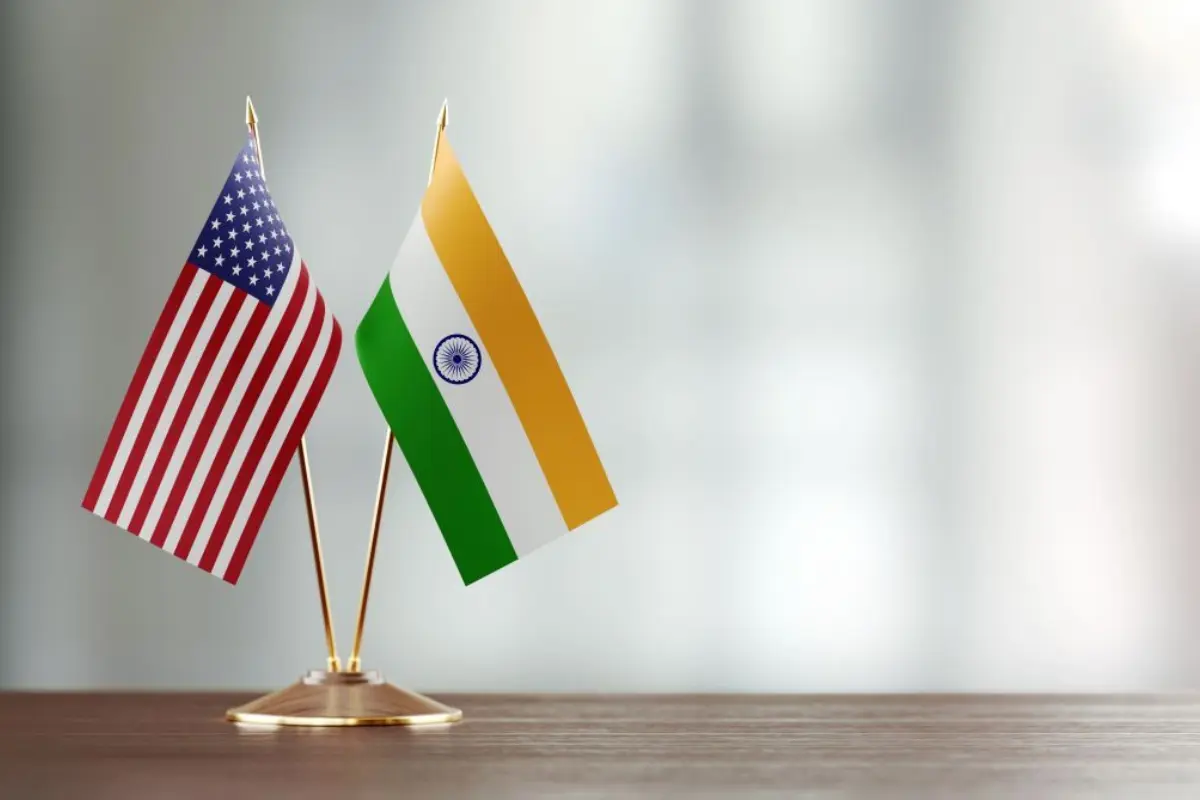
India-US Trade Talks on Skilled Workers Gain Urgency
India-US Trade Talks on Skilled Workers Intensify Amid H-1B Visa Restrictions
Indian officials are preparing to press the United States on a critical new front during the latest round of negotiations: the free movement of skilled professionals. At the heart of the discussion lies the H-1B visa program, which has long been a lifeline for India’s vast technology workforce.
The sudden decision by President Donald Trump to impose severe restrictions—including a hefty $100,000 fee on new H-1B visa applications—has jolted New Delhi. With Indians making up nearly two-thirds of all H-1B recipients, the move threatens to disrupt the country’s $280 billion tech services industry and put thousands of high-skilled jobs in jeopardy.
Against this backdrop, Commerce Minister Piyush Goyal has flown to Washington to lead talks that were initially designed to focus on goods and tariffs. Now, however, India has broadened the agenda to include the services sector, recognizing that more than half of its economy is driven by industries such as information technology and digital services.
India-US Trade: Expanding the Scope of Negotiations
Until recently, India-US trade talks were concentrated on reducing barriers to physical goods. But Trump’s immigration crackdown has forced Indian negotiators to recalibrate. A person familiar with the discussions, who requested anonymity due to the sensitive nature of the talks, confirmed that the movement of skilled workers will be a top priority for New Delhi this week.
India has consistently raised this issue in other trade discussions, often meeting stiff resistance. Negotiations with the UK, for example, stalled in 2022 over work visas for Indian nationals before a compromise was reached earlier this year. A similar push is underway in talks with the European Union.
High Stakes for the Tech Industry
The stakes could not be higher. India’s IT services sector not only generates billions in revenue but also underpins the nation’s reputation as a global digital powerhouse. Industry leaders fear that without reliable access to US work visas, companies could lose their competitive edge. The restrictions also risk straining ties between two countries whose partnership is often described as strategically indispensable.
Adding to the challenge are other contentious trade issues. Trump has already slapped 50% tariffs on Indian exports, a move justified as punishment for New Delhi’s continued purchases of Russian oil. Indian officials, however, have made it clear they will keep buying Russian energy as long as it remains financially viable.
India-US Trade: A Narrow Window for Agreement
Despite the headwinds, both sides are signaling optimism. The trade negotiations resumed last week after President Trump called Prime Minister Narendra Modi to extend birthday wishes—an overture seen in diplomatic circles as a thawing gesture. A day of talks that followed was described by negotiators as “positive.”
Goyal’s mission now is to transform that goodwill into concrete outcomes. The original plan had been to reach a phased trade deal by fall, starting with goods and moving to services later. But the India-US trade talks on skilled workers have accelerated the timetable, placing mobility and visa access firmly on the negotiation table.
Diplomatic Balancing Act
On Monday, US Secretary of State Marco Rubio met Indian External Affairs Minister Subrahmanyam Jaishankar in New York, emphasizing that the relationship between Washington and New Delhi remains “of critical importance.” That sentiment may provide negotiators the political cover they need to craft a compromise.
Also Read : Maya Adam: A Visionary Leader in Child Health and Education