
India Urges United States to Ease Rules on Fruit and Vegetable Exports Under New Trade Pact
India Pushes for Easier Entry of Indian Horticultural Exports to the US in Trade Talks
Bharat is pressing the United States to loosen its stringent sanitary and phytosanitary norms to pave the way for increased Indian horticultural exports to the US, two people familiar with the matter said. The request comes as the two nations are ironing out details of a long-anticipated Bilateral Trade Agreement (BTA) aimed at deepening economic ties.
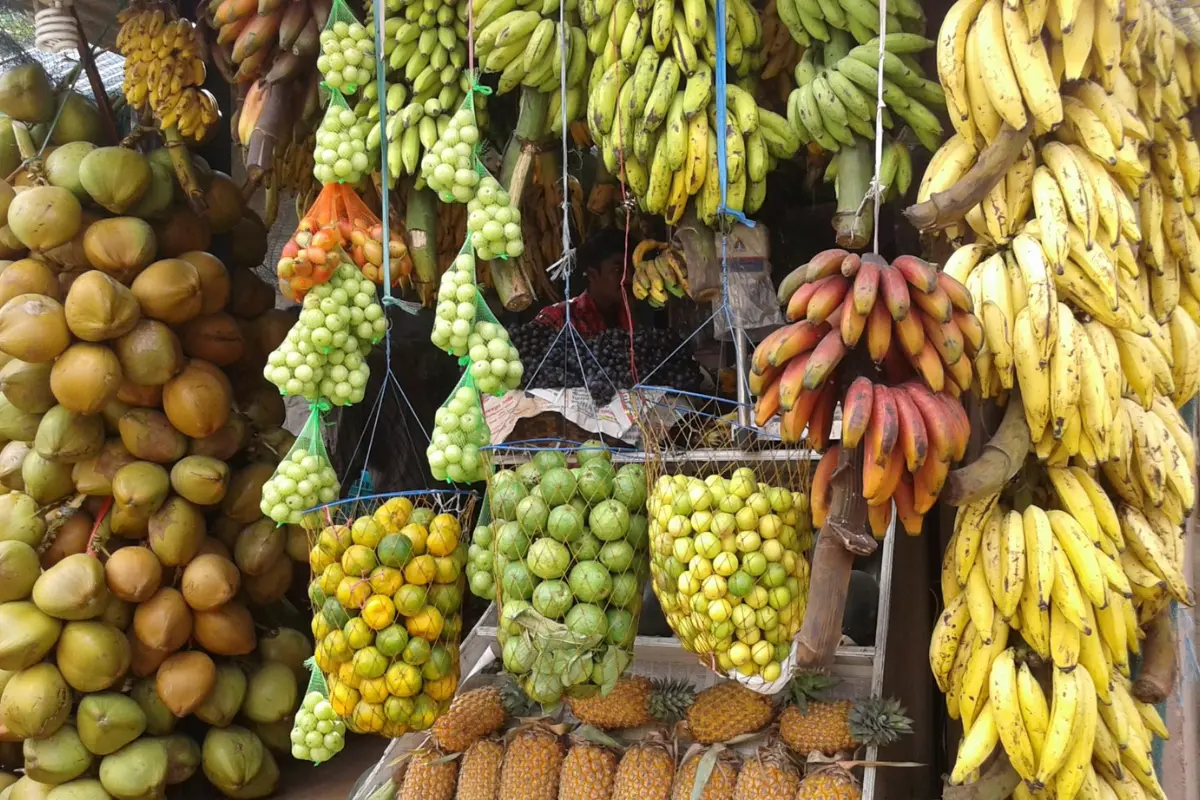
The Indian side has formally urged Washington to offer broader market access for a variety of fruits and vegetables—mangoes, pomegranates, litchis, grapes, pineapples, guavas, jackfruit, green chillies, drumsticks, carrots, bottle gourds, and ridge gourds. Despite robust demand, particularly from the Indian-American community, many of these products face rejection due to the United States’ pest-risk concerns and rigorous inspection regimes.
The issue recently gained urgency after 25 tonnes of premium-quality mangoes, dispersed across 15 consignments, were denied entry and destroyed at US ports, resulting in a staggering $500,000 loss for Indian exporters.
United States – Barriers Holding Back Indian Exporters
Sanitary and phytosanitary regulations—health and safety standards intended to protect human, animal, and plant life—vary considerably across nations. But Indian officials argue that US protocols are often inflexible, outdated, and overly cautious. For instance, the export of litchis has nearly halted due to fruit fly concerns, while only certain mango varieties from specified Indian regions are permitted and must undergo US-supervised irradiation.
“Given their perishable nature, India has asked the US side to expedite the phytosanitary approval process and consider setting up irradiation and certification agencies within Bharat itself,” one negotiator said. “This would not only reduce spoilage but also enhance the competitiveness of Indian horticultural exports to the US.”
Trade Balances and Emerging Trends
In FY25, Bharat’s agricultural exports to the US touched $2.53 billion, led by rice, spices, vegetables, dairy, and meat products. Within this, fruit and vegetable exports accounted for $331.47 million—up from $297.73 million in FY24 and $259.82 million in FY23—reflecting a strong 27.5% growth over two years. The US now represents 8.59% of India’s total horticultural exports, up from 8.12% in FY23.
While modest in size, the increasing US share signals a growing foothold for Indian producers in a highly regulated but high-value market. “The BTA will test whether trade agreements can genuinely dismantle non-tariff barriers,” said a second official involved in the discussions. “For India, this is a key opportunity to showcase its capabilities in delivering safe, high-quality produce.”
Exporters Call for Reform and Reciprocity
Industry voices have rallied behind the government’s push. Ekram Husain, CEO of Essar Exports and Vice President of the VAFA Fresh Vegetable and Fruits Exporters Association in Maharashtra, emphasized the stakes: “The United States is one of the most lucrative global markets for us. With the right framework in the new trade deal, we can double our Indian horticultural exports to the US in a few years.”
Nadeem Siddiqui of Shahnaz Export, based in Amroha, echoed this optimism. “We have modern packhouses, cold storage, and the logistics in place. What’s needed now is streamlined regulation on the US side.”
However, challenges persist. Dibyanshu Tripathi, Co-founder of Hexalog, noted that 15 mango consignments were destroyed recently at ports in Los Angeles, San Francisco, and Atlanta due to inspection issues. He pointed out that Bharat’s cold storage infrastructure currently supports only 10% of total horticultural output, with post-harvest losses ranging from 6% to 18%. “Fuel constitutes 45% of cold chain costs in India—much higher than in Western economies—and the lack of air cargo from rural areas slows down perishable exports.”
Tripathi added, “Our exporters also operate under unpredictable trade policies, especially after the withdrawal of the Generalized System of Preferences (GSP), which removed duty-free access to several Indian goods.”
Signs of Progress and the Road Ahead
Despite these hurdles, progress is being made. Bharat has already approved the import of American products like Washington apples and Californian almonds in recent years. Indian negotiators are hopeful that this reciprocity will influence US decisions in ongoing trade talks.
According to a report from the Global Trade Research Initiative (GTRI), lowering tariffs and easing non-tariff barriers under the BTA could significantly boost Indian exports of fish, meat, cereals, spices, and dairy. For horticulture specifically, which currently faces a 5.72% average tariff differential in the US, the potential uplift is considerable.
“With robust policy support, improved infrastructure, and aligned global standards, India is poised to unlock its full potential in the global fresh produce market,” Tripathi said.
Also Read : Covid Cases on the Rise in India: Over 1,000 Active Infections Reported Amid New Variants