
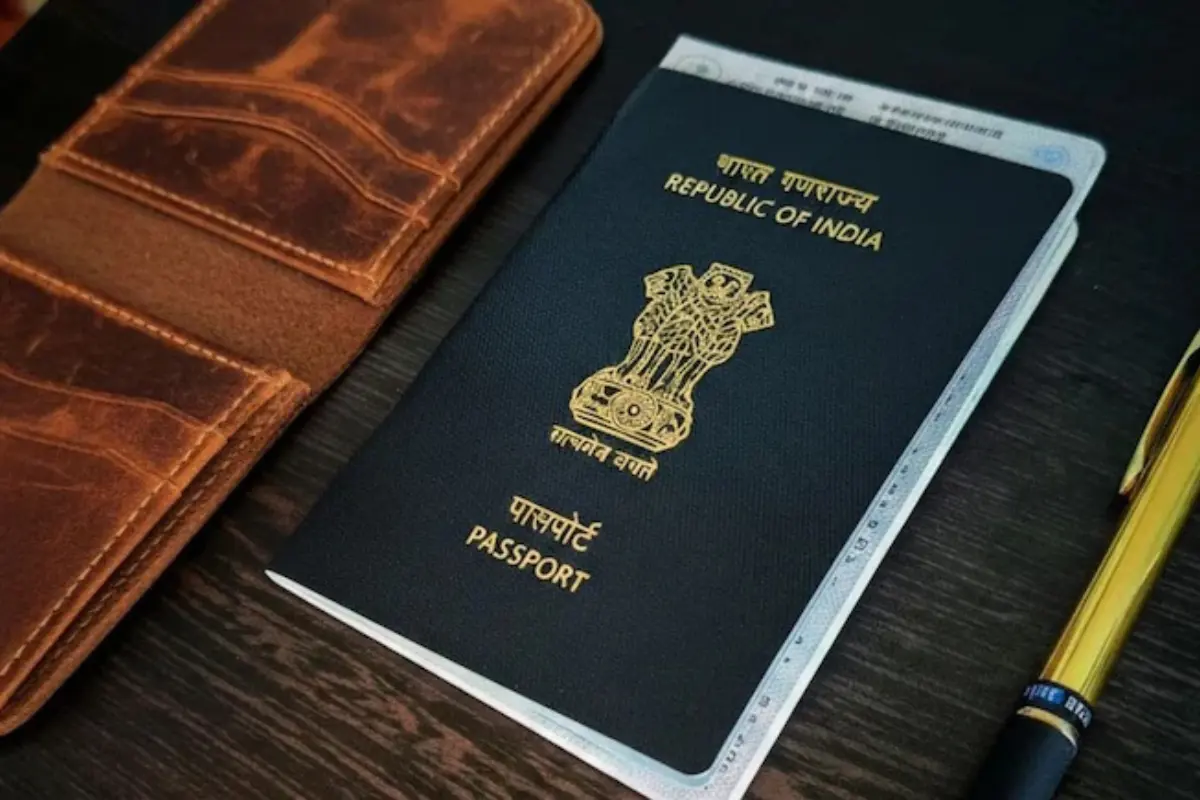
India Climbs 10 Places in Global Passport Rankings
India Climbs to 75th in Global Passport Rankings Despite Fewer Visa-Free Destinations
The latest edition of the Henley Passport Index has delivered a surprising twist for travellers from India. On paper, the nation’s passport strength has improved significantly, jumping ten places from 85th in 2025 to 75th in 2026. Yet, a closer look at the numbers reveals a paradox: Indian passport holders today have access to slightly fewer destinations without prior paperwork than they did a year ago.
This unusual combination — improved ranking alongside reduced visa-free access — highlights the shifting nature of global travel policies and how passport strength is measured in relative terms rather than absolute numbers.
India: A Ranking Rise That Defies Expectations
India’s rise in the 2026 rankings has caught the attention of policy watchers and frequent travellers alike. The passport climbed from 80th in January 2026 to 75th in February, reflecting a notable upward movement within a short time frame.
However, the visa-free destination count tells a more nuanced story. Indian passport holders currently enjoy access to 56 destinations without prior visa approval. While that is one more than January 2026’s tally of 55, it remains below the 57 destinations recorded in 2025.
In practical terms, this means that India improved its relative standing among global passports even though its absolute travel access slightly declined.
What Exactly Is the Henley Passport Index?
The Henley Passport Index is compiled by Henley & Partners and ranks 199 passports against 227 global destinations. The index relies on data provided by the International Air Transport Association and evaluates how freely passport holders can travel.
Destinations count toward a passport’s score if travellers can enter without securing a visa before departure. This includes visa-free entry, visa-on-arrival arrangements, visitor permits issued at the border and simple electronic travel authorisations that do not require embassy approval.
If a traveller must obtain a visa in advance — whether through an embassy or a comprehensive e-visa process requiring prior clearance — that destination earns zero points in the ranking system.
The Two Countries India Lost: Iran and Bolivia
India’s drop from 57 visa-free destinations in 2025 to 55 in early 2026 stemmed from policy changes in two countries.
The first was Iran, which suspended visa-free entry for ordinary Indian passport holders in November 2025. The decision came after multiple reports of fraud and trafficking cases involving Indian nationals allegedly lured with fake job offers and later kidnapped for ransom. As a result, Indian travellers were required to obtain visas before departure, removing Iran from India’s visa-free list in the index.
The second change involved Bolivia. Previously, Indian citizens could obtain visas on arrival, which counted favourably in the ranking. In 2026, Bolivia introduced a mandatory e-visa process requiring travellers to apply online and receive approval before travel. Because this requires advance authorisation, it no longer qualifies as visa-free access under the index’s methodology.
The Gambia’s Addition Softens the Blow
Despite losing two destinations, India regained some ground when The Gambia was added to its visa-free tally in February 2026. This inclusion raised the number of accessible destinations from 55 to 56.
Although the addition helped partially offset earlier losses, it did not fully restore India’s 2025 total of 57 visa-free destinations.
Timeline at a glance:
-
2025: 57 accessible destinations
-
January 2026: 55 accessible destinations
-
February 2026: 56 accessible destinations
Why India’s Ranking Improved Despite Fewer Destinations
The Henley Passport Index functions like a competitive leaderboard rather than a fixed scorecard. A passport’s position depends not only on its own mobility score but also on how other countries perform.
India’s score dipped slightly, yet several other passports experienced more significant declines due to global visa policy shifts. As countries reshuffled positions based on comparative scores, India moved up the rankings.
For example, India shares its current ranking bracket with nations such as Niger and Algeria, while countries scoring even one additional visa-free destination occupy higher slots. The ranking is therefore relative — reflecting global mobility trends rather than absolute gains or losses.