
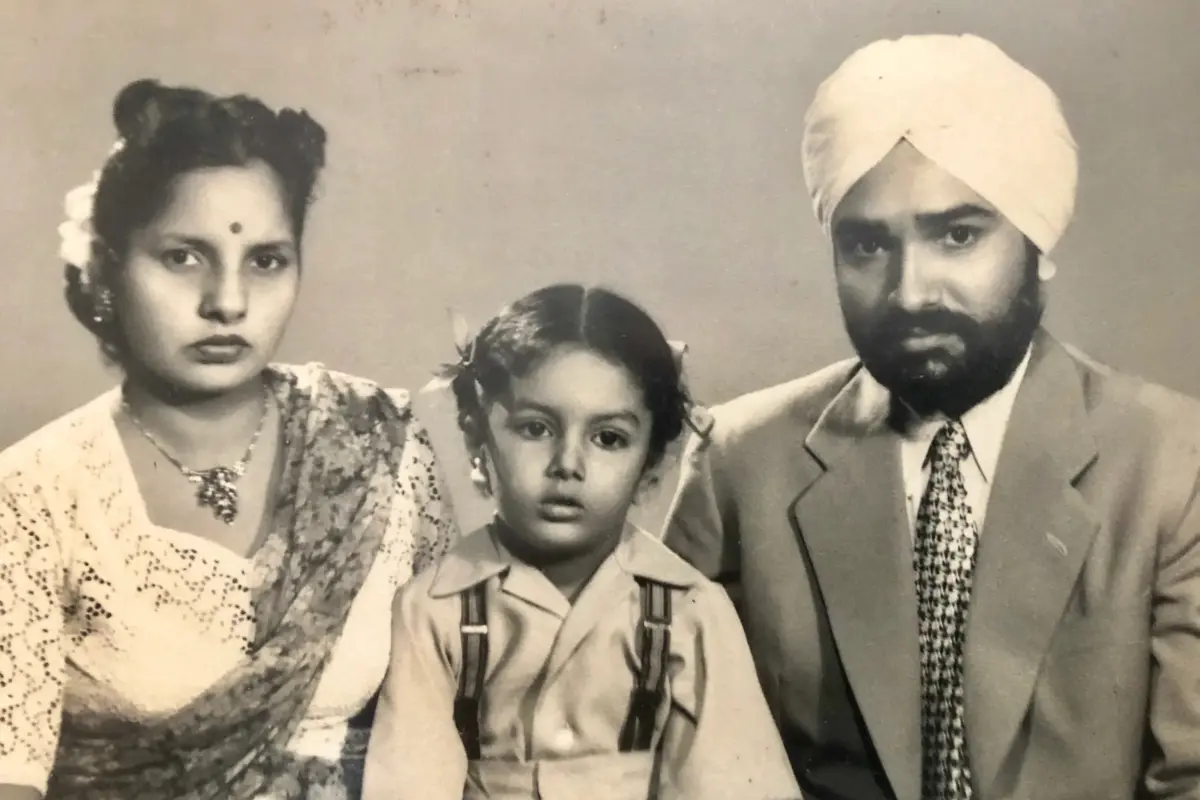
History remembers men who not only built empires of wealth but also uplifted communities with compassion, courage, and conviction. Among such remarkable individuals stands Hardial Singh Bajaj (1905–1967), a visionary of Indian origin whose journey from hardship to triumph in Southeast Asia continues to inspire generations. His life was not merely one of personal success; it intertwined enterprise with philanthropy, business with service, and prosperity with humility.
Hardial Singh Bajaj: From Humble Beginnings to a Visionary Path
The story of Hardial Singh Bajaj is deeply rooted in sacrifice and resilience. Born in 1905 in Khangadogran, near Lahore (in present-day Pakistan), his early years were far from easy. At just 17, he was forced to leave India to work in Malaya, carrying the heavy responsibility of repaying his family’s debts.
In Ipoh, Malaysia, he started at the very bottom—collecting tennis balls for fifteen cents a game. Yet, he lived by a powerful principle: “The food you eat must be of your own toil.” With sheer determination, he and his brothers worked tirelessly, saving every cent until they were able to repay their family’s debts back in India. When they discovered that the original lenders had passed away, they paid the children instead—choosing integrity over convenience.
This early act of honesty set the foundation for the life of a man who valued honour above all else.
Establishing Gian Singh & Co – A Business Empire
In 1934, with his debts cleared and spirit renewed, Hardial Singh Bajaj ventured to Singapore. There, he founded Gian Singh & Co, a department store that would rise to compete with giants like Robinsons, John Little’s, and Aurora. The three-storey building at 4 Battery Road served not just as a retail hub but also as a wholesale office, trading house, and residence.
Later relocating to Raffles Place, opposite Robinson & Co, Gian Singh & Co blossomed into a household name. Worth nearly $20 million at its height, the company expanded across Asia—Japan, Indonesia, Thailand, and even Shanghai before and after World War II. Beyond foodstuffs and textiles, the company became a pioneer in importing and distributing Hindi and Tamil films across Southeast Asia, shaping cultural ties in the region.
Hardial Singh Bajaj: Discipline, Faith, and Service
Despite his success, Hardial Singh Bajaj lived a disciplined and humble life. He rose at 4 a.m. for meditation, followed by long walks often around the Sri Guru Nanak Sat-Sang Sabha Sikh temple at Wilkinson Road, where he was a founding member and first president. His routine reflected not just physical strength but spiritual grounding.
When asked about the secret to his success, his reply was simple yet profound:
“By serving those who serve the community.”
Charity was not an afterthought—it was a pillar of his philosophy. Regularly setting aside 10% of his profits, he ensured his wealth flowed back into society. The Sikh community benefited greatly, but so too did other communities across Singapore.
Acts of Compassion During War
His humanity shone brightest during Singapore’s darkest days. During the Japanese Occupation in the 1940s, British prisoners held at Changi Prison relied on Gian Singh & Co for food supplies. When many could not pay, Hardial Singh extended credit until after the war—a quiet act of compassion that saved countless lives.
His leadership extended beyond business. As President of the Indian Chamber of Commerce (1949–1951), he empowered Indian entrepreneurs across Singapore. His political courage was evident as well, serving as Minister of Trade and Supplies in Subhas Chandra Bose’s Indian National Army shadow cabinet. Entrusted with Bose’s gold, he safeguarded it through the chaos of war, later returning it to Prime Minister Jawaharlal Nehru in 1953.
A Lasting Legacy of Service
Even after his passing in 1967, the name Hardial Singh Bajaj continues to resonate in Singapore and beyond. His philanthropy touched institutions such as the Ramakrishna Mission, Sri Guru Nanak Sat-Sang Sabha, and the then Nanyang University. His efforts also contributed to the establishment of the Indian Association in Balestier Road, an institution open to all Indians regardless of language or religion.
In May 2025, his legacy was further cemented when he was posthumously conferred the IHFS Excellence Award for Lifetime Achievement by the Indian Hall of Fame Singapore (IHFS). Standing alongside greats like former President S.R. Nathan and CV Devan Nair, this recognition reaffirmed his place as a cornerstone of Singapore’s Indian community.
Also Read : H-1B Hiring: Tech Giants Accused of Bypassing U.S. Workers