
H-1B Visa Reforms: Indians Face Growing Backlash in the US
H-1B Visa Changes Spark Rising Hostility Toward Indian Professionals in the US
H-1B Visa: A growing wave of hostility toward Indian professionals in the US has emerged in the wake of sweeping changes to the country’s skilled-worker visa system, raising alarm among civil rights groups, immigration experts and business leaders.
According to experts cited by the Financial Times, recent revisions to the H-1B visa programme introduced by the Trump administration in September have coincided with a sharp increase in online harassment, workplace suspicion and racially charged narratives targeting Indian workers and business owners.
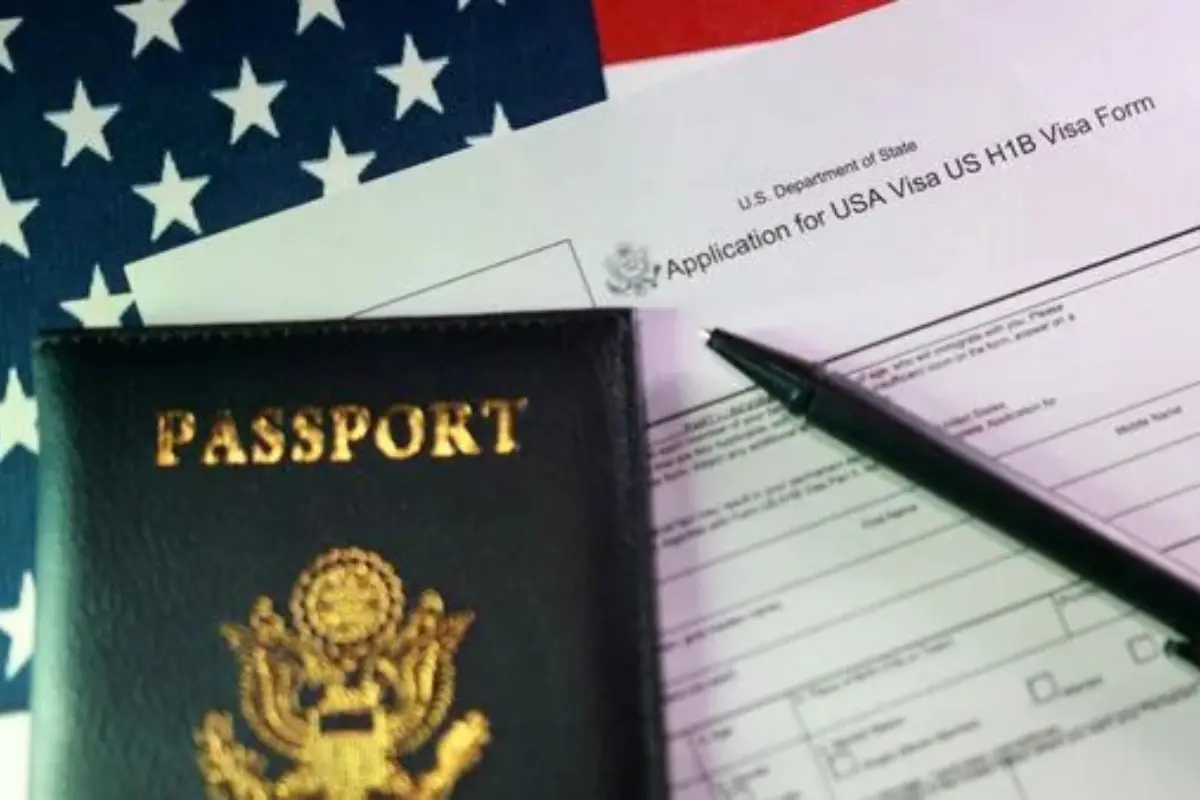
At the heart of the controversy is a dramatic restructuring of the H-1B system. Under the new framework, applicants face an unprecedented application fee of $100,000, alongside a wage-based selection model that prioritises the highest-paid roles. The administration has defended the changes as a necessary step to “protect American workers,” arguing that the reforms discourage misuse of the programme.
However, critics warn that the policy has had unintended social consequences.
H-1B Visa: Tighter Rules, Narrower Pathways
From February, the restrictions are expected to tighten even further. US authorities will increasingly favour Level-IV H-1B applicants — the highest wage category — making it significantly harder for early-career professionals, researchers and mid-level specialists to qualify.
Immigration analysts say the shift disproportionately affects Indian nationals, who make up a substantial share of the skilled-worker pipeline in sectors such as technology, healthcare, engineering and academic research.
As these changes took effect, several major American corporations, including FedEx, Walmart and Verizon, became targets of coordinated online attacks. Social media users accused the companies of illegally “selling jobs” to Indian workers, claims that employers strongly deny.
Organised Campaigns and Targeted Harassment
Raqib Naik, executive director of the Center for the Study of Organised Hate, said some of the online abuse bears the hallmarks of organised campaigns rather than isolated incidents.
He noted that Indian American entrepreneurs who legally obtained loans from the government-backed Small Business Administration have been singled out for sustained harassment, often accompanied by misinformation about immigration fraud.
“The language has grown more aggressive and dehumanising,” Naik said, warning that Indians are increasingly portrayed as “job stealers and visa scammers,” a narrative he described as both false and dangerous.
H-1B Visa: Data Reveals Sharp Rise in Threats
New data underscores the scale of the problem. Analysis by advocacy group Stop AAPI Hate, in collaboration with counterterrorism firm Moonshot, found that threats of violence against South Asian communities rose by 12 per cent in November last year. During the same period, the use of online slurs targeting South Asians surged by 69 per cent.
The spike has coincided with a continued rise in Indian professionals migrating to the US, driven by persistent skills shortages. American firms have relied heavily on talent from India to fill roles in software development, artificial intelligence, medical research and specialised healthcare, where domestic supply remains limited.
FedEx CEO Drawn Into Online Storm
Tensions escalated further in the days leading up to Christmas after a video showing a damaged FedEx truck went viral on social media. The clip triggered a flood of hostile comments directed at FedEx’s Indian-origin chief executive, Raj Subramaniam.
One widely shared post declared, “Stop the f****** Indian takeover of our great American companies.”
Several right-wing commentators, including Andrew Torba, founder of the social media platform Gab, accused Subramaniam of laying off white American workers and replacing them with Indian employees — allegations that FedEx categorically rejected.
“For more than 50 years, FedEx has fostered a merit-based culture that creates opportunity for everyone,” the company said in a statement. “We take great pride that this has resulted in a workforce representing the diversity of the more than 220 countries and territories we serve.”