
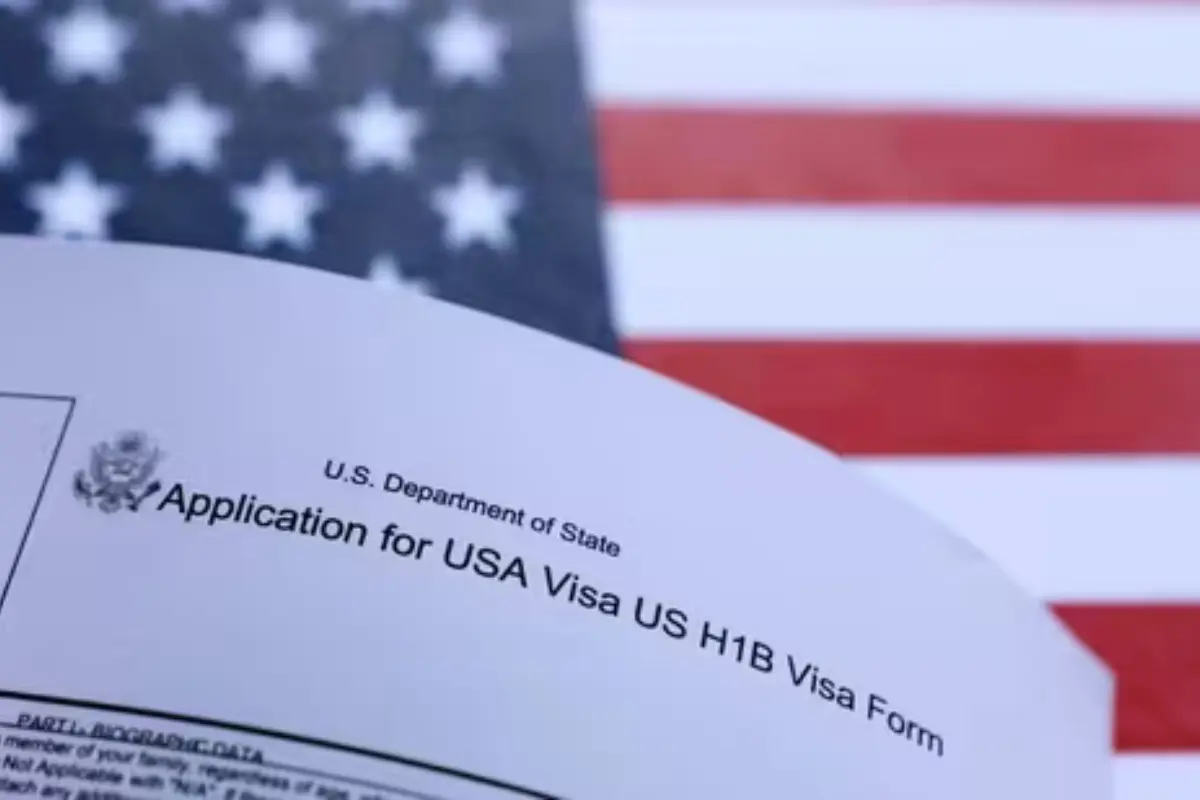
H-1B Visa Hirings: Local Hires, Temporary Halts & More
Trump Administration’s H-1B Visa Fee Increase Prompts Hiring Freeze Among Top U.S. Firms
Several leading American employers have temporarily paused or restricted their sponsorship for H-1B visas after the Trump administration announced a $100,000 H-1B visa fee increase for new applicants. The rule, designed to deter misuse of the visa program, has stirred a wave of concern across the technology and business sectors that rely heavily on skilled foreign professionals.
The fee applies exclusively to new H-1B applicants outside the United States and does not impact renewals, current visa holders, or those changing visa types within the country. According to the administration, this reform is meant to “attract highly skilled foreign workers while preventing exploitation of the program to undercut American wages.”
However, industry experts argue that the H-1B visa fee increase could instead cripple innovation and limit access to global talent — a key pillar of America’s tech and scientific dominance.
H-1B Visa: Industry Pushback and Legal Challenge
The U.S. Chamber of Commerce has filed a federal lawsuit challenging the decision, calling the $100,000 charge “unrealistic and punitive.”
Neil Bradley, Executive Vice President of the Chamber, told Newsweek, “This new fee will make it cost-prohibitive for U.S. employers, especially start-ups and small to midsize businesses, to utilize the H-1B program — the very tool Congress created to ensure American businesses can access global talent.”
Immigration attorney Divij Kishore also cautioned that the rule could have long-term repercussions:
“Over time, this policy could narrow the diversity and skill depth of the U.S. workforce. Companies may shift more high-value work abroad, diminishing opportunities for innovation and knowledge transfer within the United States,” he said.
Kishore further warned that such measures could make the U.S. less competitive in global technology sectors where international collaboration has been its greatest strength.
How the New Fee Works
According to Mark Koestler, U.S. Head of Business Immigration at HSF Kramer, the “super fee” will not apply to individuals already in the U.S. under valid immigration status — as long as their H-1B filing involves a change of status, extension, or amendment.
“It will, however, apply to those who are outside the United States without a valid immigration status,” Koestler explained to Newsweek.
The U.S. Citizenship and Immigration Services (USCIS) clarified that the new fee applies only to applications filed on or after September 21 for workers based overseas. Students switching from F-1 visas to H-1B status remain exempt.
H-1B Visa: Companies Adjust Hiring Strategies
Within weeks of the H-1B visa fee increase, major employers began revising their hiring policies:
-
Nvidia: CEO Jensen Huang announced the company will continue sponsoring H-1B applicants and cover all related costs, reaffirming Nvidia’s long-term commitment to global innovation.
-
Tata Consultancy Services (TCS): CEO K. Krithivasan said TCS would not sponsor new H-1B applicants, citing a sufficient existing workforce and a renewed focus on local hires.
-
Cognizant: Recent job listings in South Carolina specified that only candidates “legally authorized to work in the United States without employer sponsorship” would be considered.
-
Intuitive Surgical: The medical robotics company confirmed that it is temporarily pausing offers to candidates requiring H-1B sponsorship due to ongoing uncertainty surrounding the fee rule.
-
Walmart: With around 2,400 H-1B visa holders already employed, Walmart has halted new sponsorships but emphasized its continued commitment to “hiring and investing in the best talent to serve our customers.”
These responses indicate that while some corporations are absorbing the costs to maintain access to top international talent, others are shifting focus toward domestic hiring — a trend that could reshape the U.S. tech and innovation ecosystem.
Economic and Strategic Implications
Economists and policy experts are increasingly concerned that the H-1B visa fee increase could undermine the United States’ reputation as a hub for global talent. The H-1B visa program has long served as a bridge for skilled professionals — especially from India — to contribute to cutting-edge projects in artificial intelligence, biotechnology, and software development.
Industry analysts warn that if companies start relocating advanced work to countries with friendlier immigration policies, the U.S. could lose its technological edge. “This is not just about visas — it’s about the future of innovation,” said one Silicon Valley executive who requested anonymity. “A $100,000 barrier will drive creativity elsewhere.”
Also Read : Jayarao Bob Balaram: Scientist Who Took Innovation to Mars