
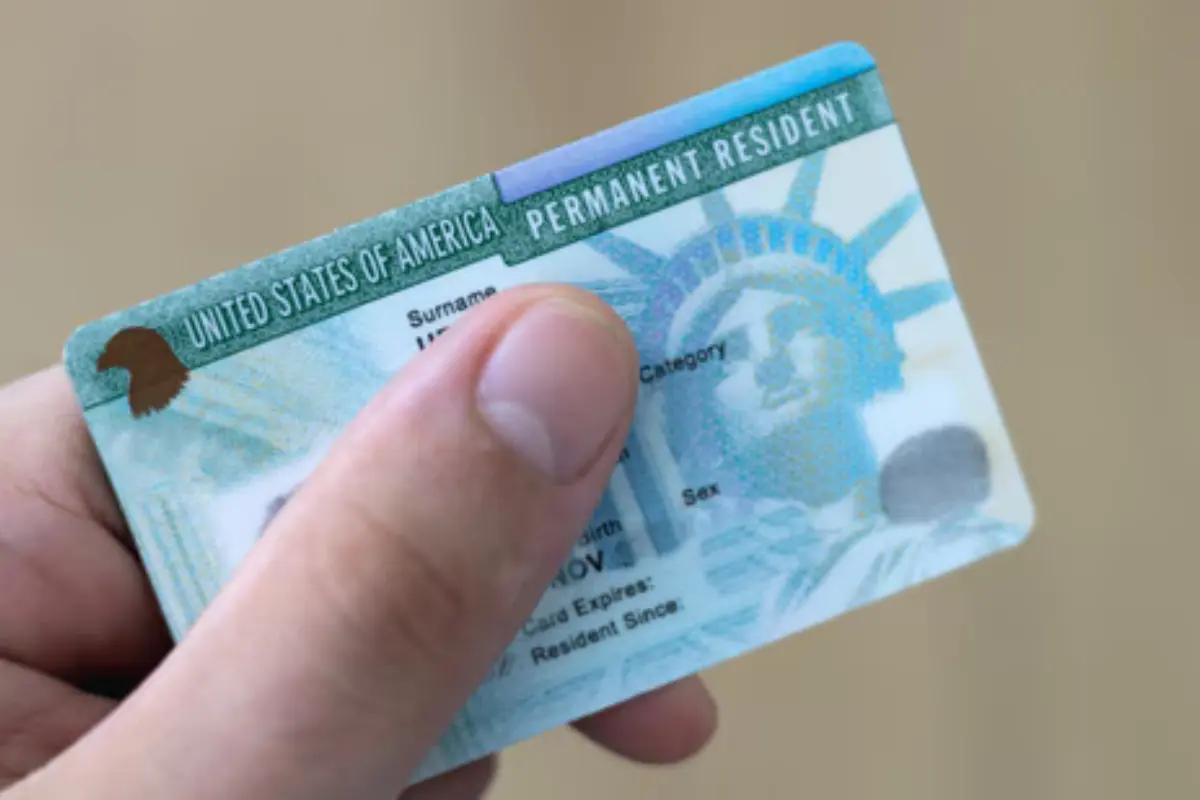
Green Card: New Rules Could Deepen Backlogs for Indians
Trump Public Charge Rule 2025: Green Card Hopes Fade as USCIS Seeks Tougher Scrutiny
In a new move that could reshape U.S. immigration standards, the US Citizenship and Immigration Services (USCIS) has submitted a regulatory package to the Office of Information and Regulatory Affairs (OIRA) that could strengthen the public-charge ground of inadmissibility. This development marks the latest step in President Donald Trump’s push for stricter immigration and visa enforcement, signaling tougher scrutiny for Green Card hopefuls and immigrant families — especially those from India.
The proposed rule, filed on November 3, remains under review, with its text yet to be released. However, the submission’s timing and framing have already triggered concern among legal experts, advocacy groups, and immigrant communities.
Green Card: What the Trump Public Charge Rule 2025 Could Mean
The term public charge refers to individuals deemed likely to rely heavily on government assistance — a designation that can make them inadmissible for U.S. entry or permanent residency under the Immigration and Nationality Act.
If finalized, the Trump Public Charge Rule 2025 could represent a major reversal of the 2022 Biden-era guidelines, which limited “public charge” consideration to cash welfare benefits and government-funded long-term institutional care. That policy explicitly excluded non-cash programs such as SNAP (food assistance), standard Medicaid, housing aid, and WIC benefits.
In contrast, the revived Trump approach is expected to expand the list of programs considered “public benefits”, increasing the burden of proof for applicants to show financial independence.
A Potential Setback for Indian Applicants
India has long been the largest source of U.S. Green Card applicants, with over 70,000 individuals applying annually through family and employment-based routes. With a backlog exceeding one million applicants in the EB-2 and EB-3 categories, Indian professionals — many of them H-1B visa holders — could face serious hurdles under the Trump Public Charge Rule 2025.
Employment-Based Challenges
Indian H-1B workers, who typically avoid using public benefits to maintain eligibility, may still be at risk. Dual-income households with U.S.-born children often access programs like SNAP or subsidized school lunches during job transitions. Under a broader interpretation of “public charge,” even minimal benefit usage could trigger additional scrutiny or Requests for Evidence (RFEs) during Green Card processing.
At consular offices in Mumbai and New Delhi, applicants with low liquid assets or limited financial reserves might see longer delays or denials based on revised “totality of circumstances” evaluations.
Family-Based Petitions Under Threat
Family-based immigration could also be hit hard. The IR-5 category, which allows U.S. citizens to sponsor parents, may face new income thresholds — potentially 250–300% of the federal poverty line. Applicants who have used Medicaid, SNAP, or housing subsidies could see their cases denied outright.
A report by the Migration Policy Institute (MPI) warned that similar rule expansions could cause 20–30% spikes in family petition denials, with Indian nationals—who make up 38% of the employment-based backlog—particularly vulnerable.
Green Card: The Broader Impact: Fear and “Chilling Effects”
The National Immigration Law Center (NILC) has documented what it calls the “chilling effects” of earlier public-charge debates. Many immigrant families, including South Asians, withdrew from benefit programs out of fear of jeopardizing their status.
According to NILC and MPI data, 15–25% of immigrant households reduced enrollment in Medicaid or SNAP during periods of policy uncertainty — even at the height of crises like COVID-19.
If the Trump Public Charge Rule 2025 takes effect, experts expect similar patterns of fear-driven withdrawal, which could exacerbate health inequities, hunger, and housing instability among immigrant families.
Regulatory Path and Next Steps
While the proposed regulation remains under OIRA review, it must still undergo formal rulemaking, including publication in the Federal Register and a public comment period. This process could take several months, but immigration advocates are already mobilizing for legal and legislative pushback.
Immigration attorney Neal Katyal noted that this stage “signals intent, not implementation,” but cautioned that once a Notice of Proposed Rulemaking (NPRM) is published, “the battle will move quickly.”
Visa Revocations Add to the Pressure
Adding to the tension, the Trump administration has revoked around 80,000 non-immigrant visas since taking office in January, according to the State Department.
Reasons ranged from driving under the influence (16,000 cases) and assault (12,000) to theft (8,000).
Officials, including Secretary of State Marco Rubio, have defended the crackdown as part of efforts to safeguard U.S. national interests. Reports also indicate that students and Green Card holders expressing criticism of U.S. foreign policy or showing support for Palestinians have faced visa cancellations or deportation threats, raising questions about free speech and selective enforcement.