
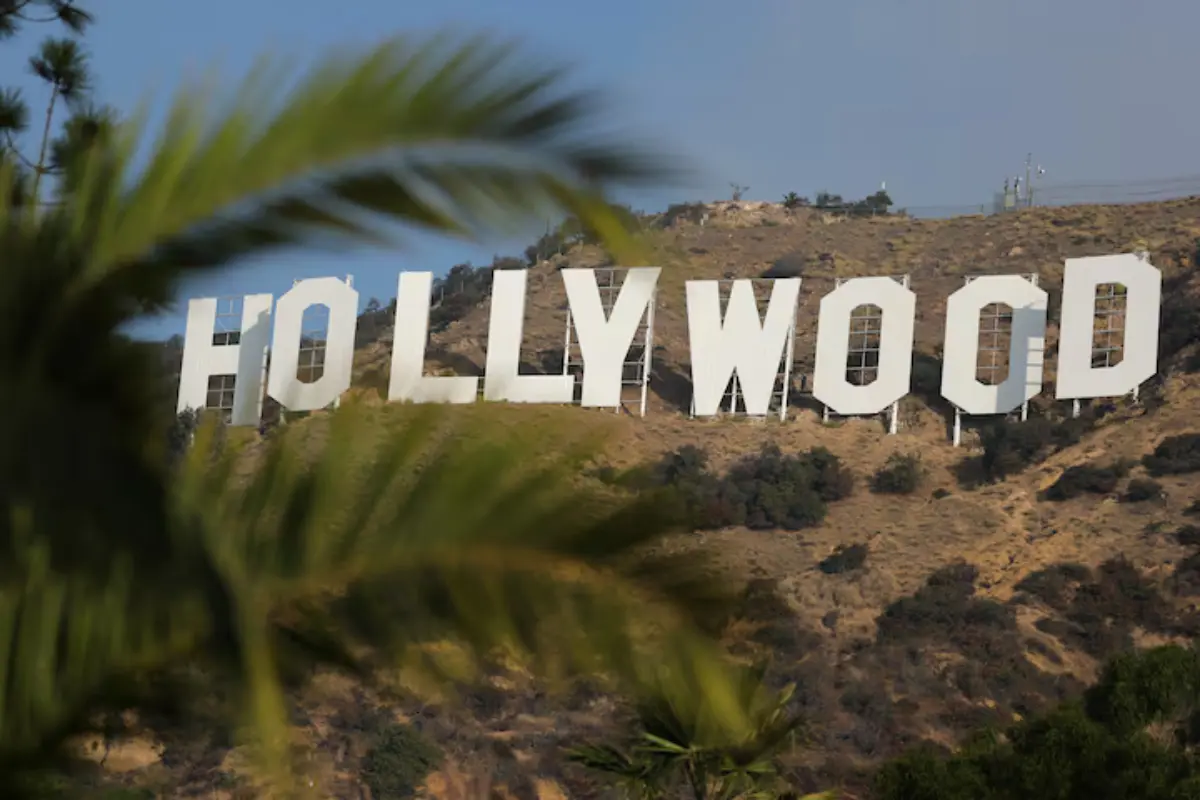
Foreign Films: Trump 100% Tariff Sparks Global Backlash
Hollywood and Indian Cinema Face Uncertainty Under Trump 100% Tariff on Foreign Films
In a dramatic move that has rattled the global entertainment industry, President Donald Trump announced on Monday that he would impose a 100% tariff on all films produced overseas and released in the United States. The decision, first floated in May, signals Trump’s willingness to extend his protectionist trade agenda into the cultural sphere. This step could upend Hollywood’s international business model and have ripple effects across the global cinema industry.
Foreign Films: A New Front in Trump’s Protectionist Policies
Trump posted his decision on Truth Social, declaring that “our movie-making business has been stolen from the United States of America, by other countries, just like stealing candy from a baby.” The tariff, he argued, would help reclaim U.S. dominance in film production.
What remains unclear is how such a policy would be enforced. Unlike traditional goods, modern film production is deeply global, with financing, visual effects, and post-production often spread across multiple countries. Studios regularly collaborate with overseas hubs like Canada, the UK, and Australia, where tax incentives lure blockbuster shoots.
Impact on Indian Films and Diaspora Audiences
For India, the move lands as another blow in a strained trade and cultural relationship with Washington. Indian cinema — particularly Hindi, Telugu, Tamil, Malayalam, Punjabi, and Bengali films — enjoys a strong following among the diaspora in the U.S. The Producers Guild of India estimates that the Indian community in America spends nearly $100 million annually on tickets for these films.
Vivek Lath, a distributor of entertainment content, had warned in May that “US accounts for roughly 5-7% of box office revenues for Indian movies. Already stressed US theatre owners will not be happy with this, and if the rest of the world reciprocates, Hollywood will also lose a large share of its international revenues.”
Shibasish Sarkar, president of the Producers Guild of India, also noted that higher ticket prices would cut into producers’ shares and affect not only theatrical releases but also digital and satellite streams coming from the U.S.
Foreign Films: Rising Costs, Uncertain Future
Industry analysts remain puzzled about the mechanics of the tariff. “There is too much uncertainty, and this latest move raises more questions than answers,” said Paolo Pescatore of PP Foresight. “For now, as things stand, costs are likely to increase, and this will inevitably be passed on to consumers.”
This could mean steeper ticket prices for audiences in the U.S., particularly among immigrant communities who rely on theaters to access films from their homelands.
Hollywood at Risk Too
While Indian cinema and other foreign industries are bracing for impact, Hollywood itself could face significant setbacks. The U.S. film industry reported a $15.3 billion trade surplus in 2023, driven by $22.6 billion in exports to global markets, according to the Motion Picture Association.
A broad tariff could jeopardize co-productions with European and Asian studios, disrupt distribution channels, and even threaten jobs for thousands of U.S. workers engaged in overseas shoots and post-production projects.
Also Read : Michelle Ranavat: Redefining Skincare with Ayurvedic Wisdom