
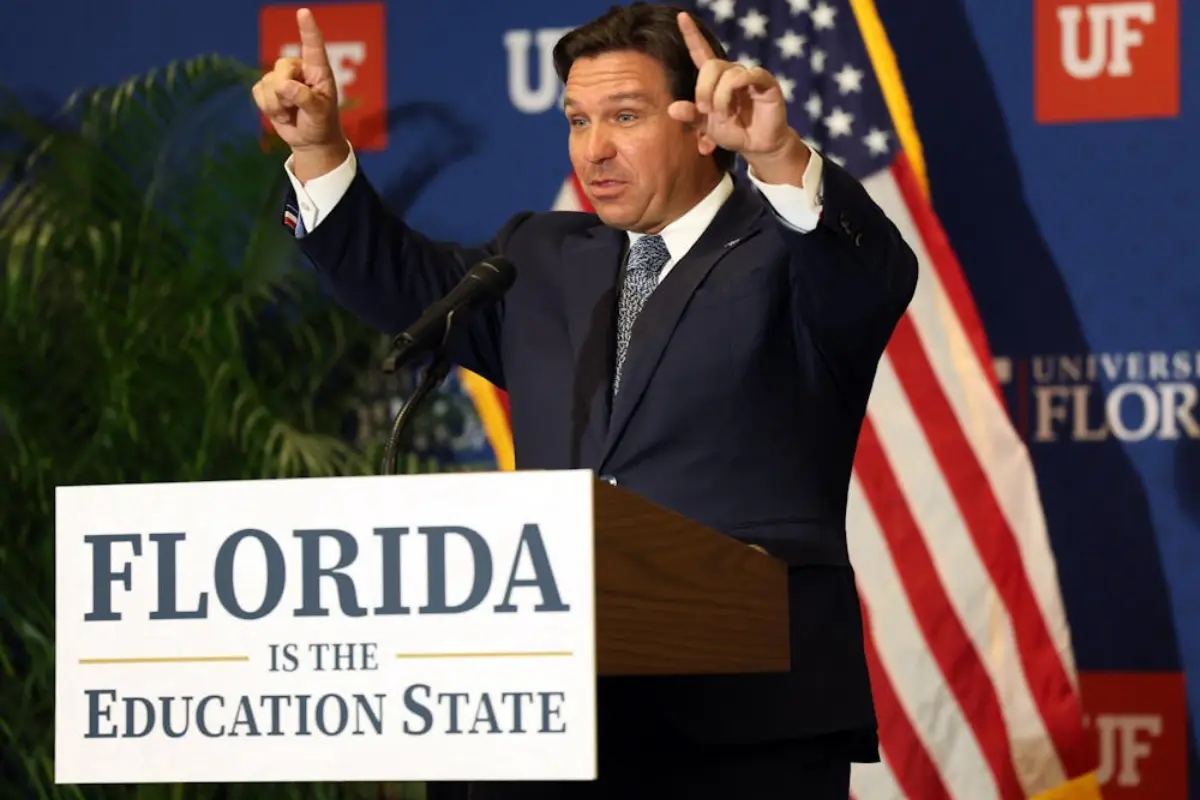
Florida Moves Toward One-Year Freeze on H-1B Hiring
Florida Board to Consider H-1B Visa Hiring Freeze Across Public Universities
Florida is preparing to take one of the most sweeping state-level steps yet in the national debate over high-skilled immigration. A proposal expected to be introduced at the Florida Board of Governors meeting on January 29, 2026, would impose a one-year freeze on new H-1B visa hiring across the state’s public university system.
If approved, the measure would block universities from recruiting new faculty, researchers, or professional staff on H-1B visas until early 2027. Supporters frame the plan as a move to protect American jobs and reduce dependence on foreign labour, while critics warn it could disrupt academic hiring and weaken Florida’s research competitiveness.
The proposed Florida H-1B visa freeze follows an earlier directive from Governor Ron DeSantis, signaling a continued push by the state’s leadership to reassess how public institutions use federal work visa programmes.
What the Florida H-1B Visa Freeze Would Do
Under the draft policy, Florida’s public universities would be prohibited from bringing in new H-1B workers for approximately one year. The restriction would apply across campuses and job categories, including faculty appointments, postdoctoral researchers, laboratory specialists, and other highly skilled professional roles.
Current H-1B employees would not be affected by the freeze and would be allowed to continue working under their existing visas. However, universities would be unable to add new H-1B hires during a critical recruitment window, particularly for the fall 2026 academic semester.
If enacted, the policy would stand out nationally for its scale, making Florida one of the few states to impose a system-wide restriction on H-1B hiring in public higher education.
Why Supporters Are Pushing the Freeze
Advocates of the Florida H-1B visa freeze argue that publicly funded university positions should primarily serve American workers. They claim the H-1B programme can be misused to bypass domestic candidates or put downward pressure on wages, particularly in professional and technical roles.
Supporters have echoed a broader political message that H-1B workers are displacing US citizens, a claim that has gained visibility in online immigration debates and political messaging nationwide. From their perspective, a temporary freeze would force universities to refocus recruitment efforts on domestic talent pools.
How Many H-1B Workers Are Employed in Florida Universities
Florida’s public university system currently employs nearly 400 H-1B visa holders. Backers of the proposal cite this figure as evidence that campuses have grown overly reliant on international hiring.
Opponents counter that the number reflects the realities of modern research universities, particularly in science, engineering, medicine, and technology-driven disciplines where qualified candidates are often scarce and globally sourced.
Universities Warn of Hiring and Research Disruptions
University leaders and academic groups have raised concerns that the Florida H-1B visa freeze could create significant operational challenges. They warn the restriction may make it harder to:
-
Recruit faculty in high-demand and emerging fields
-
Fill specialised laboratory and research positions
-
Compete for federal grants and large-scale research projects
-
Maintain strong talent pipelines in STEM and health-related disciplines
Administrators argue that H-1B hiring is typically used as a last resort when suitable US candidates cannot be found, especially for niche research areas or advanced technical roles that require highly specific expertise.