
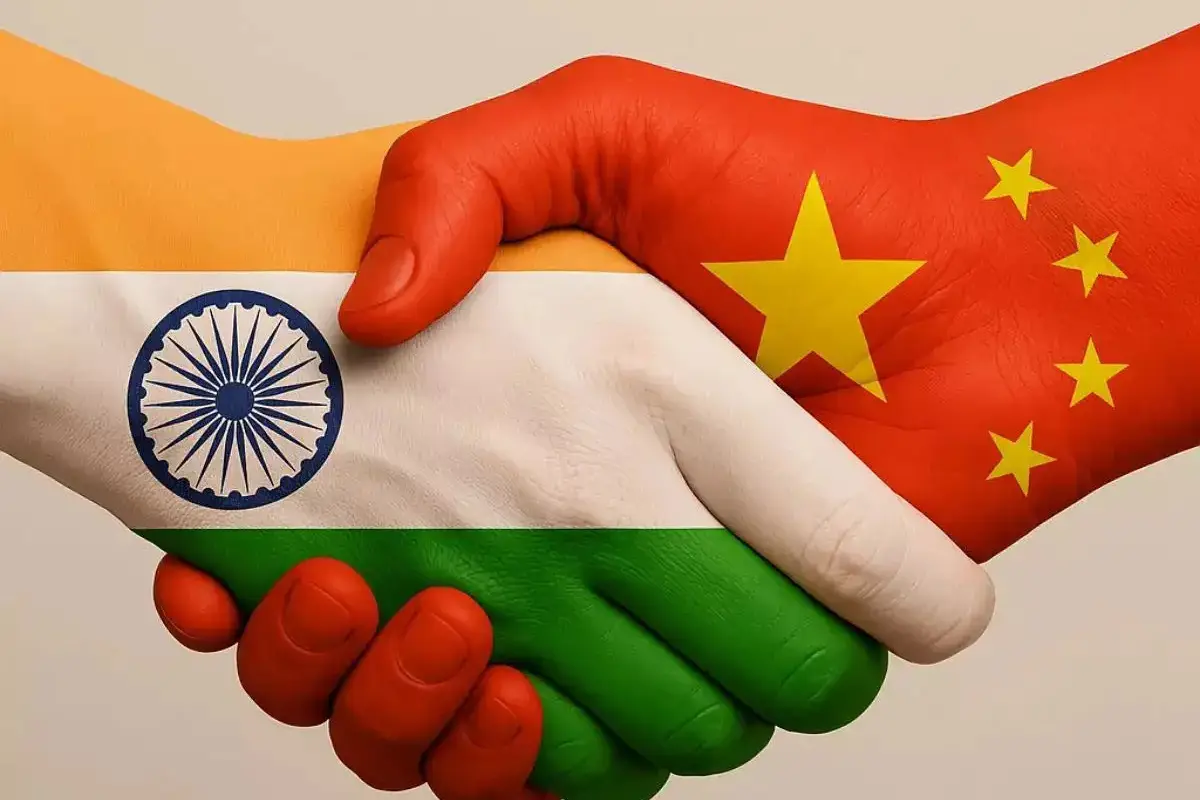
China and India pledge to be ‘partners not rivals’
China and India Partners Not Rivals: Modi and Xi Pledge New Era of Trust at SCO Summit
In a landmark diplomatic gesture, Indian Prime Minister Narendra Modi and Chinese President Xi Jinping declared that China and India are partners not rivals, signaling a potential reset in relations between Asia’s two largest nations. The meeting took place on the sidelines of the Shanghai Cooperation Organisation (SCO) Summit in the Chinese port city of Tianjin — Modi’s first visit to China in seven years.
The two leaders, who have long grappled with a fraught history of border tensions and mistrust, emphasized cooperation over conflict. President Xi underscored that Beijing and New Delhi must “approach relations from a strategic height and long-term perspective,” adding that “it is the right choice for both sides to be friends.” Modi echoed these sentiments, stating that an “atmosphere of peace and stability” now exists between the neighbors.
China and India: A Turning Point After Years of Strain
India and China have often found themselves at odds, particularly after the 2020 Himalayan border clashes that led to the suspension of direct flights and frozen diplomatic channels. However, both sides noted the “successful disengagement” along their contested boundary and reaffirmed commitment to a “fair, reasonable, and mutually acceptable” resolution.
The Indian Ministry of External Affairs (MEA) stressed that the leaders agreed differences “should not turn into disputes” and that bilateral cooperation is essential for both national growth and regional stability.
Trade, Tariffs, and Strategic Autonomy
The summit comes at a time when global trade is under strain, especially following U.S. President Donald Trump’s steep tariffs on Indian goods in retaliation for Delhi’s purchase of Russian oil. With Washington-New Delhi relations facing turbulence, Modi’s outreach to Xi signals a pragmatic shift.
Both leaders recognized the importance of expanding bilateral trade and investment ties, reducing deficits, and stabilizing world commerce. Modi further emphasized that India and China both pursue “strategic autonomy” and should not allow their relationship to be seen “through a third country lens.”
China and India: Strengthening People-to-People Ties
A significant development was Modi’s announcement that flights between India and China will resume, reopening a key channel for business, tourism, and cultural exchange. The two sides also pledged to expand initiatives such as the Kailash Manasarovar Yatra, student exchanges, and easier visa facilitation.
These steps mark an effort to strengthen people-to-people connections, which both leaders view as a cornerstone for long-term trust.
A Multipolar Future and Global Stability
The SCO Summit, attended by more than 20 world leaders including Russian President Vladimir Putin, served as a symbolic backdrop for India and China’s rapprochement. The MEA’s statement emphasized that cooperation between the two countries — home to nearly 2.8 billion people — is vital not only for their own progress but also for building a multipolar world order.
Prime Minister Modi extended an invitation to Xi to attend the BRICS Summit in India in 2026, a gesture that was warmly welcomed. Both sides agreed to continue aligning on global challenges such as terrorism, fair trade, and regional peace.
Also Read : Piyush Goyal Confirms $500 Billion Australia Housing Project