
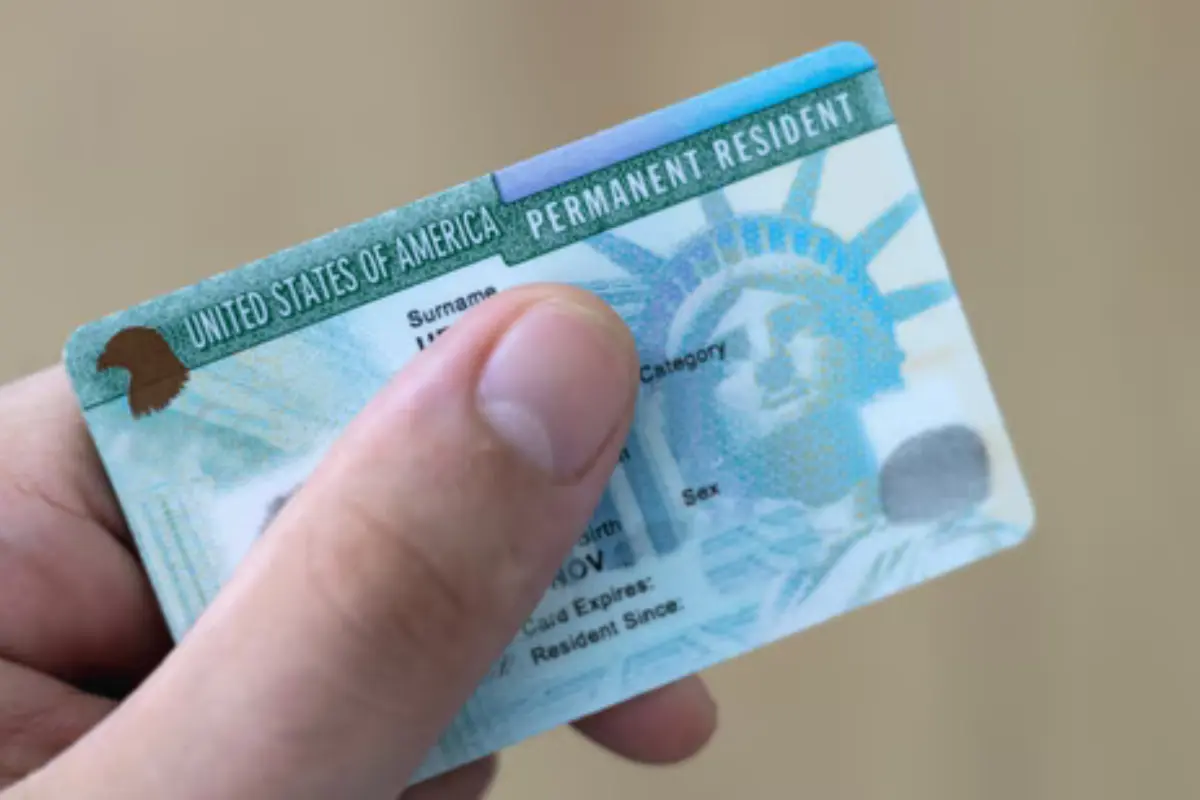
Biometric Rule: What The US Green Card Holders Must Know
US New Biometric Rule Introduces Stricter Entry Checks for Visitors and Green Card Holders
The United States has ushered in a landmark transformation to its immigration and travel enforcement system that is already reshaping airport and border experiences for millions. Beginning December 26, 2025, entering the US borders will no longer be a routine wave-through for non-citizens. Instead, the US’s new biometric rule introduces far more extensive identity checks, mandatory photographs, fingerprints, iris scans, and potentially interview-style questioning at ports of entry.
This sharp policy shift follows the official release of the Notice of Final Rule titled “Collection of Biometric Data from Aliens Upon Entry to and Departure from the United States,” issued by the Department of Homeland Security (DHS). It marks one of the most aggressive modernizations of US border control systems since post-9/11 reforms.
Biometric Rule: Universal facial biometrics are now mandatory
Under the new framework, US Customs and Border Protection (CBP) will capture facial biometrics of all non-citizens at airports, seaports, land border crossings, pedestrian exits, and even private aircraft arrival points. What was previously confined to pilot locations will now blanket the country.
Acting Executive Assistant Commissioner Diane J. Sabatino emphasized in a CBP statement that the US new biometric rule is an essential milestone in achieving a secure, full-scale Biometric Entry/Exit system. She noted that expanded funding would help accelerate technological innovation at checkpoints, enhancing identity verification and border safety.
No more exceptions: children, diplomats, and Canadians included
In a major departure from former policy, exemptions are effectively gone. Children, elderly travelers, diplomats, and most Canadian visitors will now be subject to biometric capture without exception. Previously protected categories are now fully included in US border surveillance under the revised rule.
Biometric Rule: Beyond airports: all travel modes covered
The new biometric mandate extends far beyond commercial flights. From yacht travelers docking at seaports to families crossing land borders by car, every mode of entry or exit falls under biometric scrutiny. Travellers should expect:
-
Facial photos at every point of crossing
-
Fingerprint collection and potential iris scans
-
Digital verification through CBP’s Traveller Verification Service
-
Additional interviews for individuals flagged for review
Older immigration applications—back under review
Perhaps one of the most alarming consequences for immigrant communities is the ability of DHS to reopen earlier cases. Green-card and visa applications filed or approved as early as 2021 may now face reassessment under updated security criteria, adding new uncertainty for those with pending permanent residency or documentation renewals.
Green Card holders from 19 nations to undergo heightened inspection
Under USCIS-linked policy documents, residents from certain regions will face extra layers of screening. According to public guidelines, nationals from the following 19 countries will experience more rigorous evaluation:
Afghanistan, Burma (Myanmar), Chad, Equatorial Guinea, Eritrea, Haiti, Iran, Libya, Somalia, Sudan, Yemen, Burundi, Cuba, Laos, Sierra Leone, Togo, Turkmenistan, and Venezuela.
For individuals from these nations, even lawful permanent resident status will not guarantee a quick border experience. Extended questioning, additional proof-of-residency checks, or delays may occur as part of routine entry.
What about US citizens?
While US citizens are unaffected by mandatory requirements, the CBP has clarified that they may voluntarily opt into facial biometric processing. Americans may still request traditional passport stamping and manual inspections at border points.
Biometric Rule: Travellers advised to prepare for longer waits
Immigration attorneys and travel experts anticipate longer queues, heightened document verification, and an increase in re-inspection cases for those filing new immigration petitions. Frequent travelers are urged to:
-
Carry supporting residence or employment documents
-
Allow additional time before scheduled flights or ship departures
-
Track immigration case status more frequently
-
Avoid overstays or document lapses that may trigger flagged entry