
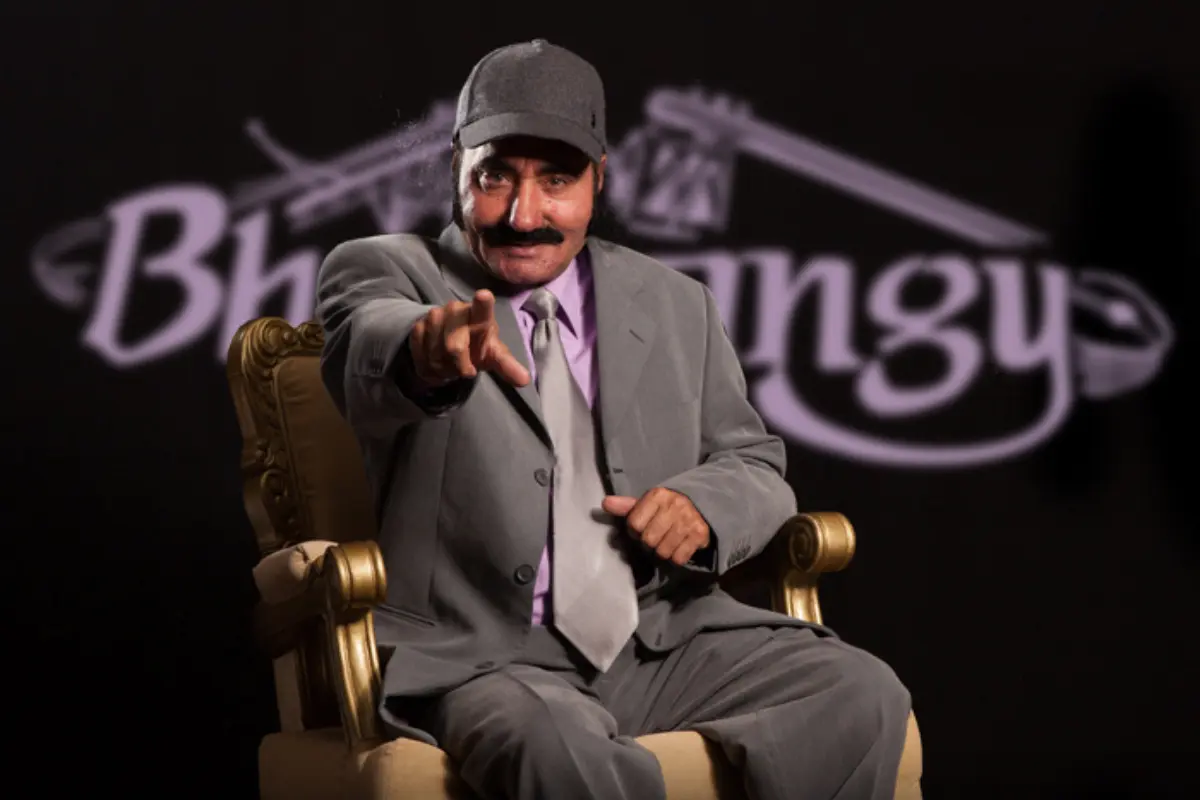
In the heart of Smethwick, Birmingham, a cultural revolution began that would echo through the corridors of music history for over five decades. At the centre of this movement stands Balbir Singh BEM, a true pioneer and stalwart of British Bhangra music, who has not only shaped the sound of a generation but also earned a coveted place in the Guinness Book of World Records.
Recognised for having continuously performed for 55 years under the trademarked name Bhujhangy, Balbir Singh’s journey is one of passion, perseverance, and profound cultural impact.
Balbir Singh: Humble Beginnings with a Harmonium and a Dream
The story begins in 1964, inside the sacred walls of Guru Nanak Gurdwara Smethwick—Europe’s first Sikh temple. It was here that young Balbir, alongside his brother Dalbir Singh Khanpur, began singing devotional hymns, taught by music instructor Darshan Singh Bhogal. They were affectionately named “Bhujhangy Jhata,” meaning “the group of children,” a title that reflected both their youth and their deep reverence for tradition.
Their voices, accompanied by the rhythmic beats of the tabla and melodies of the harmonium, began resonating far beyond temple halls. As the brothers honed their craft, their reputation soared, and a movement was born—the Bhujhangy Group.
Breaking Barriers and Building Bridges Through Music
By 1967, Balbir and Dalbir had stepped beyond religious platforms and into mainstream performance. Their first EP, Teri Chithi Nu Parah, recorded in a humble Uxbridge studio, was distributed by hand into jukeboxes across the Midlands. This wasn’t just music—it was cultural diplomacy, introducing British audiences to a rich tapestry of Punjabi folk, Bollywood melodies, Ghazals, Qawwalis, Shabads, and Bhangra beats.
Over the decades, Balbir Singh BEM crafted more than 300 songs, each infused with storytelling, tradition, and a unique blend of East-meets-West musicality. His versatility is awe-inspiring—equally at home performing classical Indian ragas, religious hymns, and foot-tapping Bhangra anthems. He brought together communities of every background, creating music that transcended language and religion.
Balbir Singh: The Rise of a Cultural Pioneer
One of Bhujhangy’s most groundbreaking moments came in 1970, with the release of Bhabiye Akh Larr Gayee. This was the first Bhangra track to fuse traditional Punjabi instruments with Western musical elements—guitar, banjo, accordion—paving the way for modern British Asian music. It was an audacious step forward, and it set the template for generations of musicians to follow.
As their fame grew, so did the accolades. Bhujhangy appeared on television during the 500th birth anniversary of Guru Nanak Dev Ji, performed at weddings, festivals, and community events across the UK, and inspired an entire generation of British Asians to embrace their cultural identity with pride.
Awards, Recognition, and a Guinness World Record
In recognition of his monumental contribution to the UK’s cultural landscape, Balbir Singh BEM has received numerous prestigious honours:
-
2025 – Awarded the British Empire Medal (BEM) for services to Bhangra music and Punjabi culture in the West Midlands
-
2022 – Entered into the Guinness World Records for leading the Longest Running Bhangra Band in the UK
-
2010 – Honoured by the UK House of Commons for four decades of community service
-
2011 – Lifetime Achievement Award from Brit Asia TV Music Awards
-
2006 – Recognised by the Jamla Jatt Mela Committee for community service
These accolades are not merely symbols of success but reflect a lifetime of dedication, cultural preservation, and artistic excellence.
Also Read : Jaswinder Kumar: The Heart of Bedford’s Humanitarian Efforts