
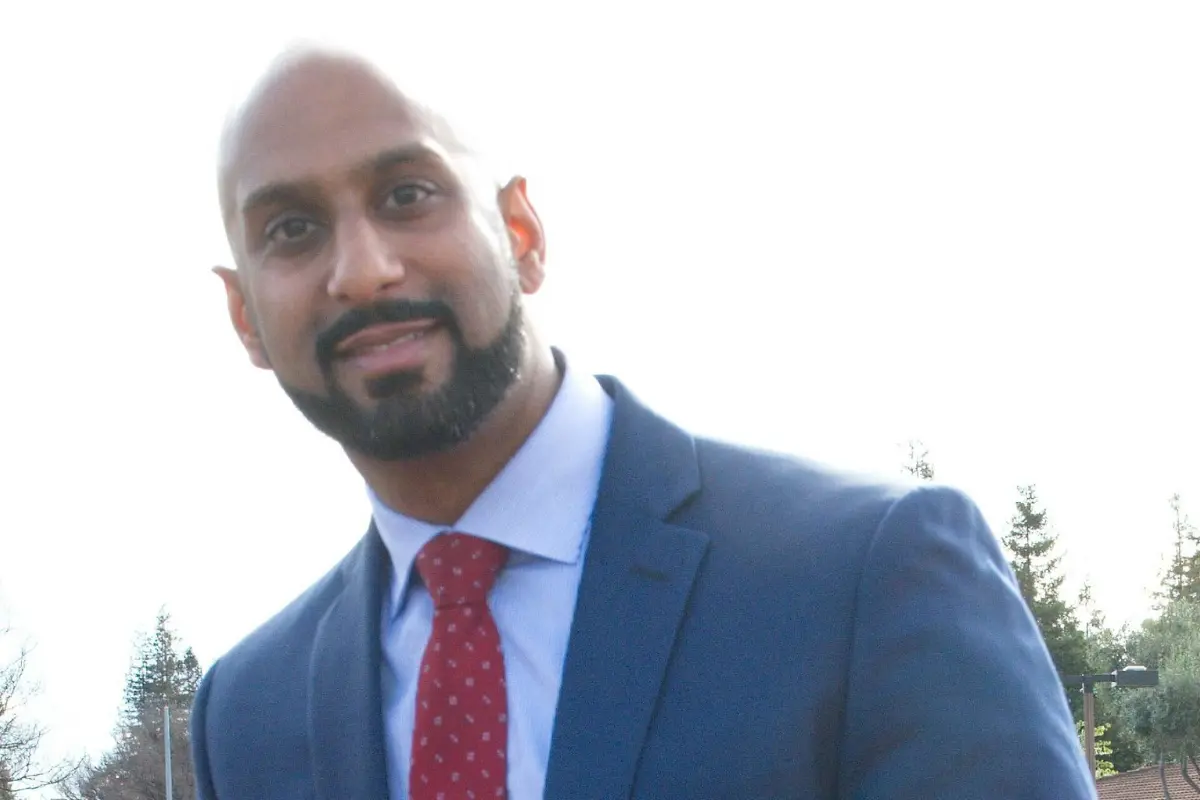
In a world often clouded by conflict and injustice, few lives shine as brightly as that of Anil Raj, a courageous humanitarian whose journey reflected the very essence of compassion, justice, and service. The Anil Raj human rights legacy is not just a memory—it is a movement that continues to inspire generations striving for a better world.
Born on April 1, 1984, in Saratoga, California, Anil Raj grew up in a close-knit Indian American family, grounded in the values of empathy, resilience, and responsibility. His early years were marked not by privilege but by a deep sense of purpose. As a student at Saratoga High School, he already showed signs of the leader he would become—thoughtful, inquisitive, and deeply concerned with the struggles of those less fortunate.
His passion only deepened during his time at the University of California, Riverside, where he majored in political science. He wasn’t just a student of global affairs—he actively engaged in shaping them.
Participating in the Model United Nations, joining Amnesty International, and being part of Pi Sigma Alpha, the National Political Science Honor Society, Anil embraced every opportunity to expand his understanding of international relations. A life-changing study abroad program at the University of Hong Kong widened his worldview, instilling in him a fierce commitment to human dignity beyond borders.
Anil Raj: Academic Brilliance, Rooted in Purpose
Determined to make his ideals actionable, Anil pursued a Master’s in International Human Rights and a Certificate in Humanitarian Assistance from the Josef Korbel School of International Studies at the University of Denver. He was not just a scholar—he was a servant leader. The university recognized his rare blend of intellect and empathy with the Brinser Award for Humanitarian Service, an honor that echoed the integrity with which he lived his life.
From Boardrooms to Battlegrounds: A Career of Courage
Anil Raj didn’t choose the safe path. He chose the hard, necessary one. Anil Raj started with Amnesty International as a country specialist on Myanmar, eventually earning a seat on its Board of Directors in 2010. His work was not theoretical—it was grounded in the suffering and survival of people in war-torn regions.
Later, as a part of the United Nations Development Programme (UNDP), Anil Raj took his mission global. From the disarmament zones of South Sudan to the conflict-scarred provinces of Afghanistan, he brought clarity, courage, and compassion to some of the most dangerous corners of the world. His roles—whether as a disarmament officer or a management specialist—weren’t mere job titles. They were extensions of his moral commitment to humanity.
Over nine years with the UNDP, he worked relentlessly to advance sustainable development, reduce poverty, and strengthen peace in areas riddled with instability. After a brief stint as an independent consultant in San Francisco, he returned once more to Afghanistan—not because he had to, but because he believed he could still make a difference.
A Tragic Loss, A Timeless Legacy
On November 24, 2019, while traveling with two colleagues in Kabul, Anil’s vehicle was attacked. He was just 35. The news shook the global humanitarian community to its core. No group immediately claimed responsibility, but his death highlighted the very real and persistent dangers faced by those working to bring peace in places torn by war.
At a news conference, U.S. Secretary of State Mike Pompeo called the attack “unconscionable.” It was a brutal reminder of the risks undertaken daily by individuals like Anil—those who confront danger not with weapons, but with vision and heart.
Janet Lord, Chair of Amnesty International USA, paid a moving tribute, recalling Anil as “a bright and creative individual” whose “life was cut tragically short.” She emphasized the risks human rights workers face in hostile environments and urged the international community to hold the perpetrators accountable. Anil Raj’s death was not just a tragedy—it was a call to action.
Also Read : Aashna Kanhai: The Surinamese Diplomat Who Reconnected with Her Indian Roots